
 English
 中文简体
中文简体 Español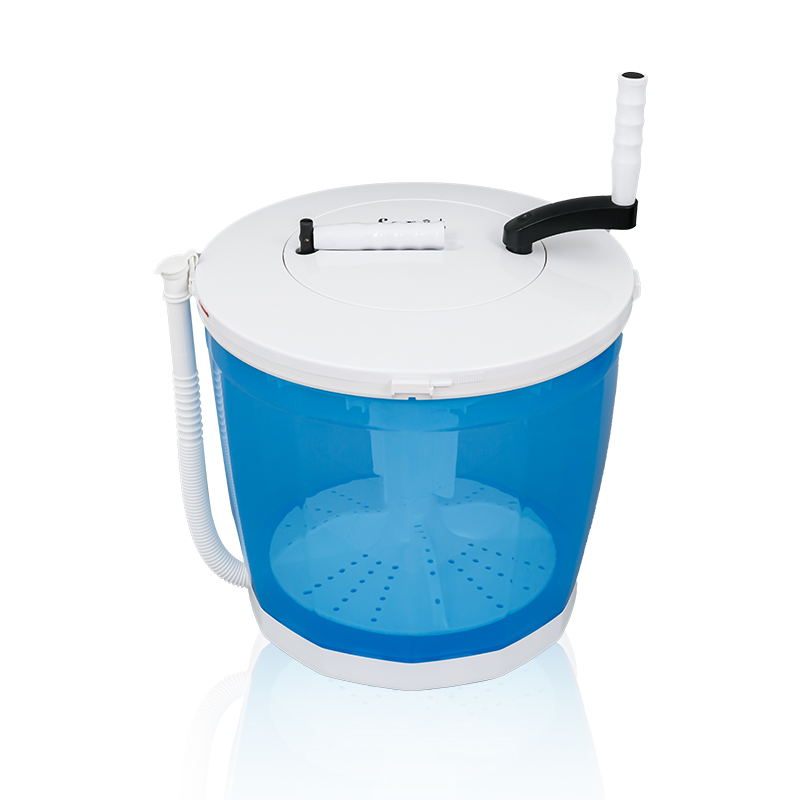
Ningbo Changle Electric Appliance Co.,Ltd. is famous China Manual vs Electric Washer Comparison Manufacturers and Custom Manual vs Electric Washer Comparison Suppliers. The company was established in 2015 and located in Cixi, only 50kms from Ningbo port. It covers around 15000 square meters usable floor area, equipped with high-end producing and inspection devices. And our annual capacity is 200000 sets of washing machine and spin dryer. The products have been certified by CCC security certificate, CE/CB/SAA certificates, we have been exported to Japan, Australia, Korea, USA, Canada, UK, Middle-east etc. over 10 countries.
Key Feature Comparison Table
| Feature | Manual Washer (Off-Grid) | Electric Compact Washer |
|---|---|---|
| Energy Source | Human Power (Zero Electric) | Standard Wall Outlet (Low Wattage) |
| Portability Score (1-5) | 5 (Ultra-Portable) | 3 (Countertop/Movable) |
| Typical Wash Time | ~5 Minutes (User Controlled) | ~20 Minutes (Automated) |
| Required Setup | None (Lift and Use) | Temporary Faucet Hookup |
| Best Use Case | Camping, Emergencies, Off-Grid | Apartments, Dorms, RVs |
| Drying Function | Hand Wring Required | Integrated Spin Dry (High RPM) |
This specification table provides a clear, objective snapshot of the differences. The most significant metric is the Energy Source, which dictates the user's freedom and operating cost. The Required Setup is another crucial differentiator: the manual unit is entirely self-contained, while the electric unit requires a temporary water connection. The Drying Function is perhaps the most practical difference, with the electric unit's high-RPM spin cycle providing a significant time-saving advantage over the manual option's need for hand wringing or external drying aids.
Choosing the Right Application for Your Lifestyle
The choice between manual and electric is dictated by the user's living environment and priorities. Key application differences:
- Manual Application Focus: Maximum autonomy, use in the field or during power outages, lowest possible utility costs, gentle hand-controlled washing for delicates.
- Electric Application Focus: Convenience and speed for daily, automated washing in small spaces, high water extraction (spin dry) for fast indoor drying, modern features like timers and preset cycles.
If the user prioritizes absolute independence and ruggedness, the manual unit is superior. If the user prioritizes daily convenience and automation in a semi-permanent residence (apartment/RV hookup), the electric unit is the better choice. Both solve the problem of small-space laundry, but they cater to fundamentally different usage philosophies.
The Trade-Offs: Independence vs. Automation
The advantages of each model are the disadvantages of the other, highlighting the clear trade-off:
- Manual Advantage: Zero cost to run (no electricity), ultimate portability, zero risk of electronic failure, full control over agitation speed.
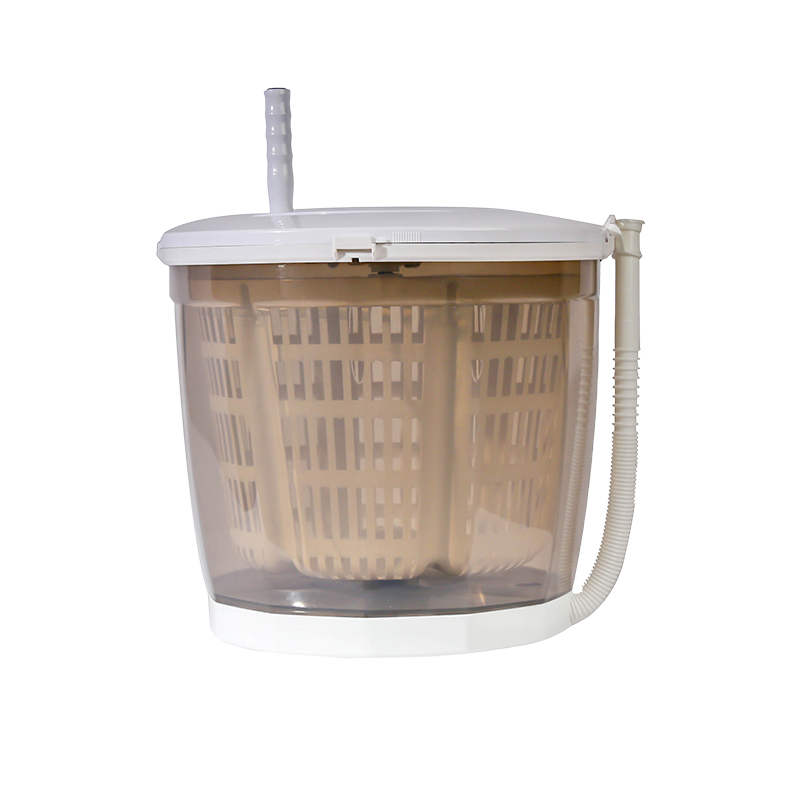
- Manual Disadvantage: Requires physical effort, no integrated spin-drying (slower air drying), limited capacity compared to electric models.
- Electric Advantage: Fully automated process (set and forget), integrated high-RPM spin dryer (fast drying), slightly larger capacity in some models.
- Electric Disadvantage: Requires a power source, needs a temporary water connection (faucet), higher initial cost, small risk of electronic/motor wear over time.
The informed buyer should weigh the value of time savings (electric) against the value of absolute independence (manual) to make the optimal purchasing decision for their unique lifestyle.
Operating Differences: Hands-On vs. Hands-Off
The user experience varies significantly based on the power source:
- Manual Operation: A hands-on activity. The user lifts the unit, manually fills it with water, and physically cranks the handle for a short period. Requires physical engagement but offers precise control.
- Electric Operation: A hands-off experience. The user connects the unit to the faucet and sets the cycle on the control panel. The machine handles the filling, agitation, and draining automatically. Requires minimal physical effort.
Both are incredibly simple to use, but the manual process is active, while the electric process is entirely passive, offering a clear choice for consumers based on their preference for engagement versus automation.


