English
 中文简体
中文简体 Español
No.62, Beiyihuan Road, Industry Area Zhangqi Town Cixi Ningbo China.
Phone:+86-13777243189

CALL OR SEND E-MAIL
No.62, Beiyihuan Road, Industry Area Zhangqi Town Cixi Ningbo China.
Phone:+86-13777243189
Content
A hand operated washing machine is most effective when you pre-sort laundry by fabric type and color, use the correct water temperature, apply the right amount of detergent, and follow a consistent agitation-rinse-spin cycle. Mastering these steps makes washing clothes manually faster, gentler on fabrics, and more water-efficient than most people expect.
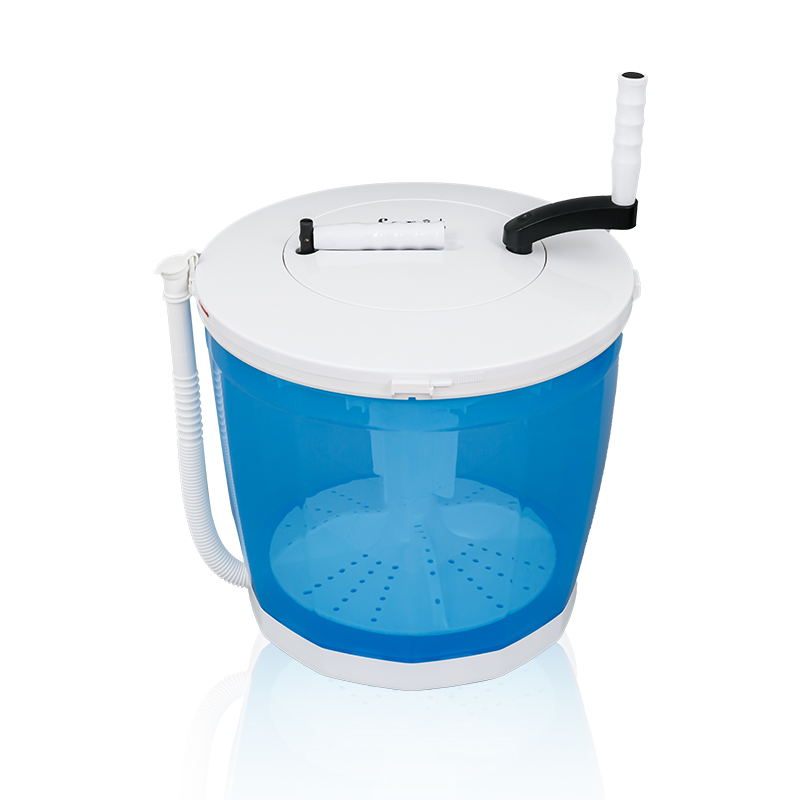
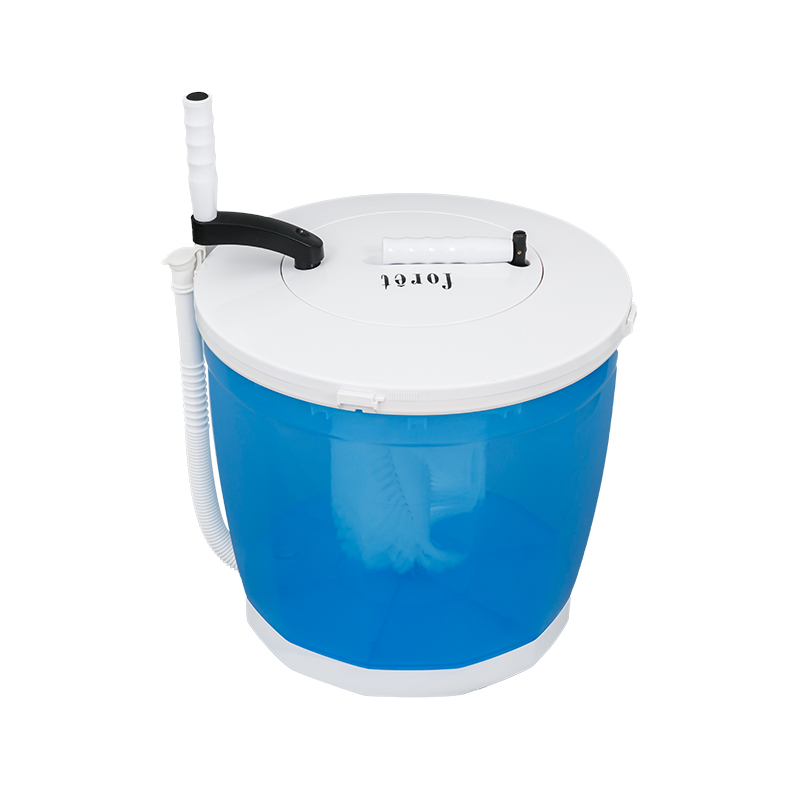
A hand operated washing machine — also called a laundry hand washer or manual washing machine — is a compact, non-electric device that cleans clothes through human-powered agitation. Common designs include the plunger-style washer, the hand-crank drum washer, the portable spin washer, and the bucket-style twin tub. Unlike electric machines, they consume zero electricity and use as little as 5–10 liters of water per load, compared to the 50–100 liters used by a standard automatic washer.
People choose a laundry hand washer for many practical reasons:
According to a 2022 consumer survey on sustainable living, over 30% of households in Europe and North America reported interest in manual or low-energy laundry alternatives. The global portable washing machine market was valued at approximately USD 1.8 billion in 2023 and is projected to grow steadily through 2030, driven partly by the appeal of clothes hand wash solutions for urban and mobile lifestyles.
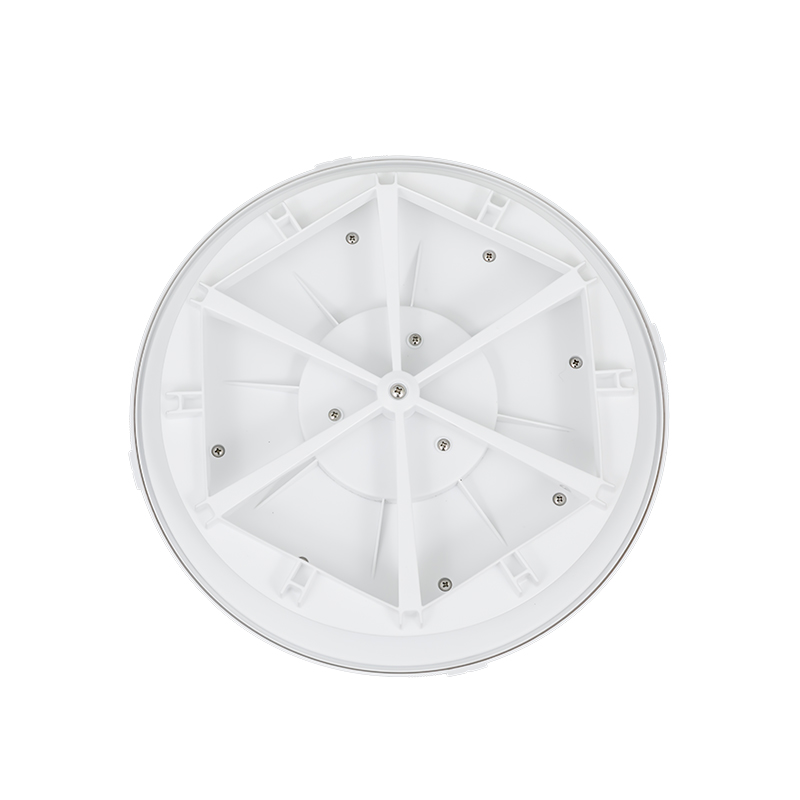

Before learning how to use one effectively, it helps to understand which type you have or are considering. Each design has different strengths for best hand laundry results.
| Type | Mechanism | Ideal Load Size | Best For | Water Use |
|---|---|---|---|---|
| Plunger Washer | Push-pull suction | 1–3 items | Socks, underwear, small items | 5–8 L |
| Hand-Crank Drum | Rotating drum via crank | 2–5 items | T-shirts, light pants, towels | 8–15 L |
| Portable Spin Washer | Manual spin basket | 1–4 items | Delicates, handwashing laundry | 5–10 L |
| Bucket Twin Tub | Wash + rinse tubs | Up to 1 kg | Mixed small loads | 10–20 L |
| Scrubboard + Basin | Manual friction scrubbing | Unlimited (time permitting) | Heavy soiling, denim | 10–30 L |
Knowing your device type determines how you load it, how much detergent to use, and what kind of fabrics it handles best. For example, knowing how to hand wash a dress properly starts with recognizing whether your device is gentle enough for delicate materials like chiffon or silk.
Whether you are using a plunger-style device or a hand-crank drum, the core process for washing clothes with hand operated machines follows the same logical sequence. Here is a detailed walkthrough.
Always sort clothes before any clothes hand wash session. Group items by:
Check each garment's care label. Items labeled "dry clean only" should not be processed with any hand washing method. A garment labeled "hand wash" is ideal for this process.
Water temperature is one of the most critical variables in washing clothes manually. Use the following guide:
A common mistake in handwashing laundry is using too much detergent. Use approximately one-quarter to one-half the amount recommended for a standard machine wash. For a typical 5–10 liter hand washer load, 5–10 ml of liquid detergent is sufficient. Excess detergent is difficult to rinse out fully and can leave residue that irritates skin or stiffens fabric.
Options for best hand laundry detergent types include:
Load clothes loosely — never pack them tightly. In a plunger washer, clothes need room to move around the suction cup for effective washing clothes with hand agitation. In a crank drum, overfilling strains the handle mechanism and results in poor cleaning.
Agitation guidelines by device:
For stubborn stains, pre-soak garments for 15–30 minutes before agitation. This loosens soil and reduces the manual effort required.
Drain the soapy water completely, then refill with clean water and agitate again for 1–2 minutes. Two rinse cycles are recommended for most loads to ensure all detergent is removed. A single rinse often leaves soap residue, which makes fabrics stiff and can irritate sensitive skin.
You can add one tablespoon of white vinegar to the final rinse water as a natural fabric softener and to help remove any remaining detergent. This is particularly effective for cotton garments and towels.
Understanding how to handwash clothes without wringing is essential for protecting fabric integrity. Wringing — twisting fabric forcefully — stretches fibers, distorts shape, and can damage delicate weaves like knits, wool, or silk. Instead, use these methods:
Not all garments require the same technique. Applying the wrong pressure or temperature can permanently damage clothing. Here is how to approach the most common items.
Knowing how to hand wash a dress correctly depends on the fabric. For a cotton sundress, warm water and standard liquid detergent work well. For a silk or chiffon dress:
For dresses with embellishments (beading, sequins, embroidery), turn them inside out and handle even more gently to prevent snagging or loss of decorative elements.
Wool is highly susceptible to felting (irreversible shrinkage and matting) when exposed to heat or agitation. For wool:
For heavily soiled garments, a pre-treatment step dramatically improves results without requiring more agitation. Apply detergent or a stain stick directly to stained areas and allow 15–30 minutes dwell time before placing in the hand washer. Use a soft brush (an old toothbrush works well) to work the detergent into the stain before washing.
With a plunger washer, increase agitation to 200–300 pumps for a heavily soiled item, and consider a mid-cycle water change if the water becomes very dark.
A very common question is: can hand wash clothes be machine washed? The answer is: sometimes, with the right settings. A garment labeled "hand wash only" can often be safely machine washed on a delicate or gentle cycle at 30°C or lower, using a mesh laundry bag to protect the fabric. However, this is not true for all items.
| Care Label | Can It Be Machine Washed? | Recommended Machine Setting | Risk Level |
|---|---|---|---|
| Hand Wash Only | Sometimes | Delicate, 30°C, in mesh bag | Medium |
| Dry Clean Only | No | — | Very High |
| Machine Wash Cold | Yes | Cold cycle, gentle spin | Low |
| Wool / Knit Label | Only if machine has wool cycle | Wool/delicate cycle, cold | Medium-High |
| Silk | Only if labeled machine washable | Delicate, cold, no spin | High |
The reverse is equally important: most garments that are safe for machine washing are also safe for handwashing laundry with a manual device, since hand washing is inherently gentler. The exception is items like heavily structured jackets or suits with interfacing that can lose their shape when fully submerged in water.
Getting the best hand laundry results consistently requires more than just following the basic steps. These professional-level tips separate effective hand washers from those who struggle with poor results or damaged clothing.
A hand operated washing machine is optimized for small loads. Washing 2–4 items at a time every day or two produces far cleaner results than attempting a large weekly load. Smaller loads mean less diluted detergent, better agitation per garment, and faster drying. It also reduces physical fatigue from extended manual pumping or cranking.
The golden rule of any clothes hand wash process is to address stains as quickly as possible. Most organic stains (food, blood, sweat, grass) begin to bond with fabric fibers within 1–2 hours of contact. After 24 hours, many stains become significantly harder to remove without professional treatment. Always rinse or blot fresh stains with cold water immediately, then apply a stain treatment before washing.
When washing clothes with hand agitation alone, soaking does much of the cleaning work for you. A 20–30 minute soak in warm soapy water can loosen the same level of soil that would require 5–10 minutes of vigorous agitation. This is especially useful for:
After washing clothes manually, drying time largely determines your laundry throughput. Maximize drying speed by:
In a well-ventilated room at room temperature (20–22°C), most lightweight garments will dry in 4–8 hours. Thicker items like jeans or hoodies may take 12–24 hours.
A laundry hand washer itself needs periodic cleaning to avoid mold, mildew, and detergent buildup. After every 10–15 uses:
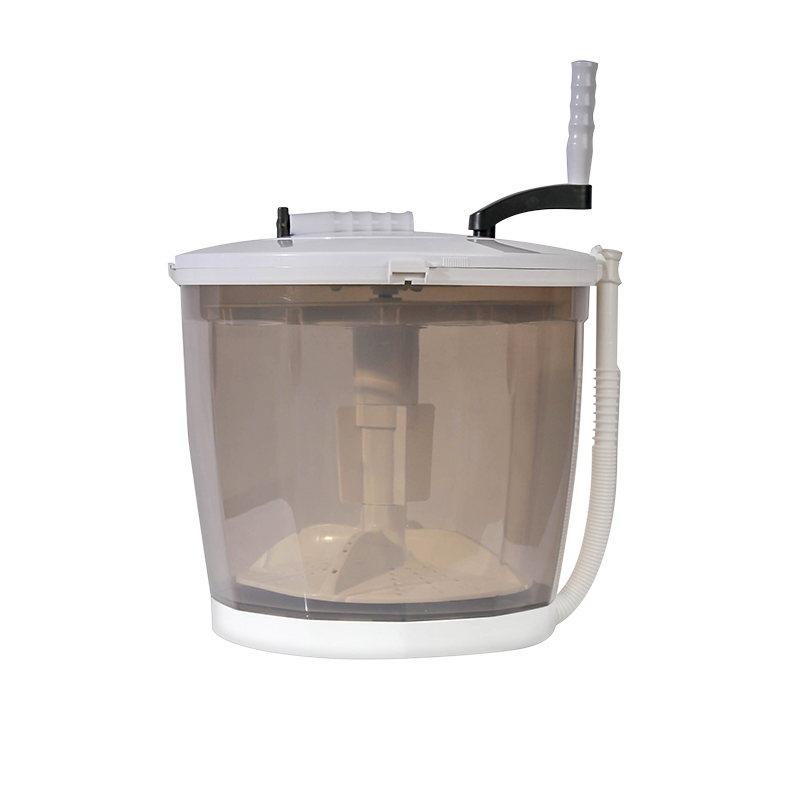

One of the most compelling arguments for using a laundry hand washer is its environmental efficiency. The contrast with automatic washing machines is dramatic when you look at the data.
| Method | Water per Load | Energy per Load | CO₂ Equivalent | Cost per Load (est.) |
|---|---|---|---|---|
| Top-load automatic washer | 80–150 L | 0.5–2.5 kWh | ~250–500g | €0.15–0.60 |
| Front-load automatic washer | 40–60 L | 0.3–1.2 kWh | ~150–300g | €0.10–0.35 |
| Hand operated washing machine | 5–15 L | 0 kWh | ~0g | €0.01–0.05 |
| Traditional sink handwashing laundry | 10–25 L | 0 kWh | ~0g | €0.01–0.08 |
If a household washes 5 small loads per week using a hand operated machine instead of a top-load automatic washer, the savings over one year could amount to approximately 34,000 liters of water and over €60–150 in energy and water costs, depending on local utility rates. These numbers make the case that the best hand laundry setups are not just convenient — they are genuinely economical.
Even experienced users of hand washing equipment sometimes make avoidable errors that compromise results or damage clothing. Here are the most frequent mistakes and how to correct them.
Pairing your hand operated washing machine with the right products significantly improves your results. Here is what to look for.
The best hand laundry detergents for manual machines are those that dissolve quickly and rinse cleanly. Key characteristics to look for:
A few inexpensive tools can make the entire process faster and more effective:
One of the primary use cases where a laundry hand washer truly excels is in situations where electricity and infrastructure are unavailable or impractical. For travelers, campers, van-lifers, and off-grid households, the clothes hand wash process enabled by a portable manual washer is not a compromise — it is the optimal solution.
For travel, weight and pack size matter. The most compact options for handwashing laundry on the road are:
In an off-grid setting, water conservation during washing clothes with hand devices is crucial. Recommended strategies:
A typical small load (3–5 items) takes 10–20 minutes total including filling, washing, and two rinse cycles. Heavily soiled loads or those requiring pre-soaking may take 40–60 minutes. With practice, the process becomes faster and more efficient.
For lightly to moderately soiled everyday clothing, yes — hand washing with proper technique achieves comparable cleanliness to a gentle machine cycle. For sanitizing heavily soiled items or killing bacteria (e.g., in sick household situations), a hot machine wash provides more consistent heat exposure than most hand washing methods.
It is possible but challenging. A single pair of jeans when wet can weigh over 1.5 kg, which exceeds the recommended capacity of most plunger-style hand washers. A hand-crank drum washer with higher capacity handles denim better. Alternatively, soak jeans in the machine for 30 minutes, then agitate briefly — jeans rarely need vigorous washing unless heavily soiled.
The best method for drying after any clothes hand wash session is to use a combination of the towel roll method (to remove maximum water) followed by hanging on a well-ventilated drying rack. Avoid direct sunlight for colored or delicate items, as UV exposure causes fading. Airflow is more important than heat for fast drying.
Add one to two tablespoons of baking soda to your wash water along with your detergent. Baking soda is a natural odor neutralizer that works at any water temperature. For stubborn odors (like mildew or strong sweat), pre-soak in a mixture of water and white vinegar (1:4 ratio) for 30 minutes before washing.
Using a hand operated washing machine effectively comes down to understanding a small set of principles: sort correctly, use the right water temperature, measure detergent carefully, agitate adequately, rinse twice, and remove water gently. When these steps are followed consistently, the results rival those of gentle machine cycles — with a fraction of the water, zero electricity, and far less cost.
Whether you are washing clothes manually out of necessity, sustainability conviction, or practical travel need, a quality laundry hand washer is a highly capable tool. From knowing how to hand wash a dress with delicate fabric to tackling a pile of gym clothes after a workout, the manual approach offers more control, more gentleness, and more flexibility than most people expect from such a simple device.
The key is practice and process. After just a few sessions, washing clothes with hand devices becomes fast, intuitive, and even satisfying — particularly when you see the combination of cleaner clothes, lower utility bills, and reduced environmental impact. Start small, refine your technique, and build a routine that works for your specific garment types and lifestyle.
 No.62, Beiyihuan Road, Industry Area Zhangqi Town Cixi Ningbo China.
 13777243189
 +86-13777243189
 +86-0574-63809239
Copyright © Ningbo Changle Electric Appliance Co., Ltd. All Rights Reserved.