English
 中文简体
中文简体 Español
No.62, Beiyihuan Road, Industry Area Zhangqi Town Cixi Ningbo China.
Phone:+86-13777243189

CALL OR SEND E-MAIL
No.62, Beiyihuan Road, Industry Area Zhangqi Town Cixi Ningbo China.
Phone:+86-13777243189
Content
If you've ever stared at a garment label reading "hand wash only" and wondered whether the hand wash setting on your machine is a legitimate alternative, here is the direct answer: in most cases, the hand wash mode on a modern washing machine is safe for delicate fabrics — but it is not identical to washing clothes by hand, and it does not work for every fabric type.
The hand wash machine setting uses a combination of very slow drum rotation, minimal agitation, cool water temperatures (typically between 20°C and 30°C / 68°F–86°F), and a gentle, extended rinse cycle to simulate the careful, controlled movement of handwashing. Independent testing by consumer research bodies such as Which? in the UK and Consumer Reports in the US has shown that machine hand wash cycles cause roughly 40–60% less mechanical stress on fabric fibres compared to a standard cotton wash cycle.
That said, certain materials — particularly structured wool knits, hand-stitched embroidery, sequinned garments, and raw silk — carry a genuine risk of damage even under a gentle machine cycle. The safest approach is always to check the care label first and understand exactly what the hand wash setting on your machine is designed to do before trusting it with your most delicate pieces.
Understanding what is hand wash — both as a care instruction and as a machine function — requires looking at what makes standard washing cycles harsh in the first place. A typical cotton cycle rotates the drum at 800–1200 RPM during the spin phase, reaches water temperatures of 40°C–60°C, and uses vigorous back-and-forth agitation during the wash phase. This is intentionally aggressive, because it is designed to break down heavy soiling in dense fibres.
By contrast, what is hand wash mode in a washing machine is a purpose-built cycle engineered around three principles:
The drum rotates slowly — typically at 30–40 RPM during the wash phase, compared to 50–55 RPM in a standard cycle. Some machines pause rotation entirely for several seconds between gentle tumbles, mimicking the stop-and-soak pattern a person uses when washing hand wash items by hand in a basin.
The final spin on a hand wash machine setting rarely exceeds 400–600 RPM. Many machines cap it at 400 RPM. This is critical because high-speed spinning is one of the primary causes of fibre stretching and distortion in delicate fabrics such as cashmere, viscose, and lace.
Hand wash programs typically use water at 20°C–30°C. Hot water causes protein fibres (wool, silk, cashmere) to shrink and lock together — a process called felting. The rinse phase in a hand wash washer cycle is also usually longer than in standard programs, ensuring detergent residue is fully removed without the aggressive tumbling that would follow in a hotter wash.
| Parameter | Standard Cotton Cycle | Hand Wash Mode | True Hand Washing |
|---|---|---|---|
| Wash Temperature | 40°C – 60°C | 20°C – 30°C | Cold to lukewarm (~25°C) |
| Drum Speed (Wash) | 50 – 55 RPM | 30 – 40 RPM | Manual / variable |
| Spin Speed | 800 – 1200 RPM | 400 – 600 RPM | None (press/squeeze) |
| Cycle Duration | 45 – 90 min | 30 – 45 min | 10 – 20 min |
| Water Use | 40 – 70 litres | 30 – 50 litres | 8 – 15 litres |
| Fabric Stress Level | High | Low–Medium | Very Low |
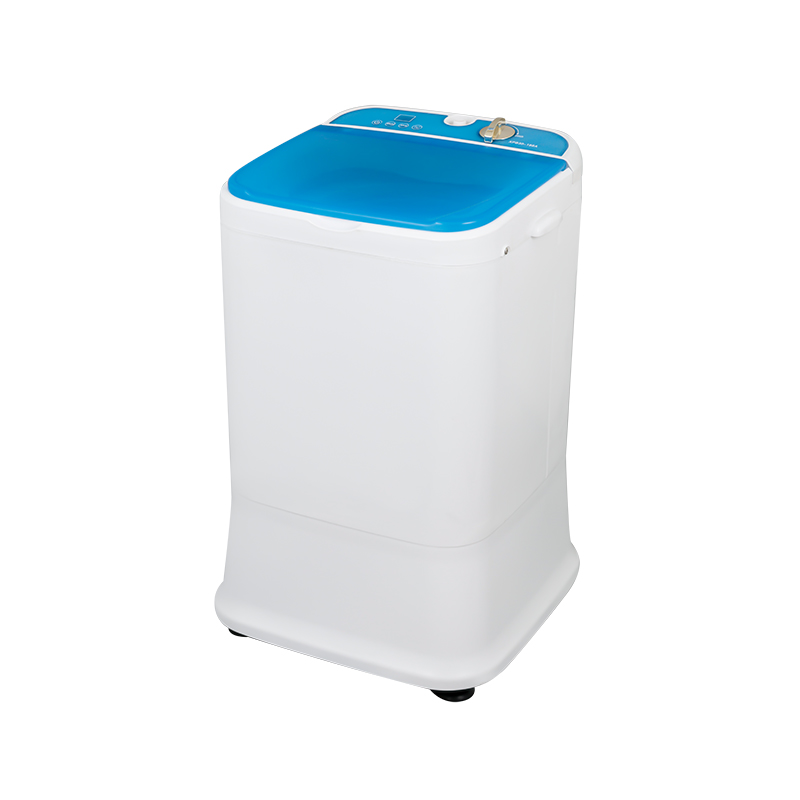
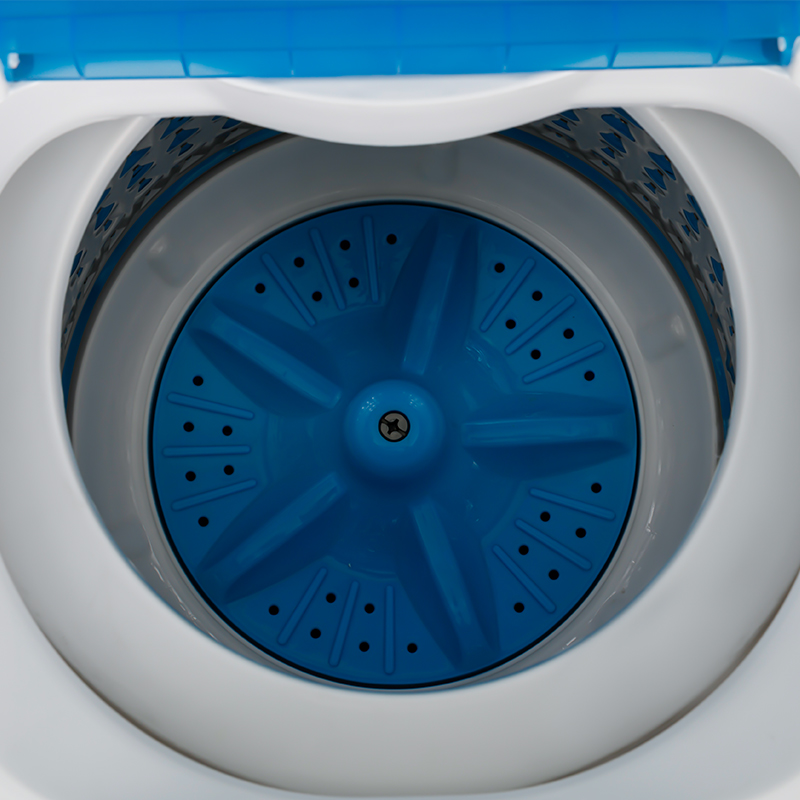
The question of can you wash hand wash clothes in the machine does not have a universal yes or no answer. The outcome depends on the specific fabric, the garment's construction, its dyes, and how well-calibrated your machine's hand wash cycle is. Here is a practical breakdown by fabric type:
The practical rule: if the care label says "dry clean only," do not use the machine at all. If it says "hand wash," you can cautiously use the hand wash machine setting — but use a mesh bag, cold water, and the lowest available spin speed.
The question can i machine wash hand wash clothes comes up constantly — and the confusion is understandable. Care labels use standardised international symbols (ISO 3758), but brands interpret them inconsistently. Here is what the most common symbols actually mean:
| Symbol Description | Meaning | Machine Hand Wash Cycle Safe? |
|---|---|---|
| Bucket with hand symbol | Hand wash only | Usually yes, with care |
| Bucket with one dot (30°C) | Machine wash, cold, delicate | Yes |
| Bucket with X through it | Do not wash in water | No — dry clean only |
| Bucket with underline | Gentle or delicate cycle | Yes, use gentle/hand wash cycle |
It is also worth noting that some brands add "hand wash only" to labels purely as a precautionary legal disclaimer, even when the fabric would tolerate a gentle machine cycle. Fast-fashion brands in particular tend to over-caution on labels to limit warranty claims. If you are washing hand wash items and unsure, test with a small or inexpensive garment first before committing your best cashmere to the machine.
Even if your machine has a hand wash on a washing machine program, the results depend on how you prepare the load and configure the settings. Follow these steps for the best outcomes when using your hand clothes washing machine mode:
For garments that cannot go near a machine under any circumstances — true silk, antique lace, structured wool suits — understanding the best way to wash clothes by hand is essential. Handwash how to guides vary widely in quality, so here is a reliable, fabric-safe method:
When you have truly washed clothes by hand using this method, the result should be a garment that looks exactly as it did before washing — no shrinkage, no pilling, no colour loss. The process takes roughly 15–20 minutes per garment, which is the main reason so many people look for machine alternatives.
Whether you are using a machine hand wash setting or washing hand wash garments by hand in a basin, the detergent you choose matters more than most people realise. Standard laundry detergents are formulated for hot-water, high-agitation cycles — they contain enzymes, brightening agents, and surfactants that can strip natural fibres, fade delicate dyes, and leave residue in fabrics when used in cool, low-agitation conditions.
A good mild soap for hand washing clothes should meet the following criteria:
| Product | Best For | Machine Compatible? |
|---|---|---|
| Woolite Delicates | Wool, cashmere, synthetics | Yes (hand wash cycle) |
| Eucalan Delicate Wash | Wool, lace, lingerie (no-rinse) | Hand wash only |
| Soak Wash | All hand washables (no-rinse) | Hand wash only |
| Perwoll Delicate | Synthetics, silk blends | Yes (hand wash cycle) |
| Le Blanc Silk & Lingerie Wash | Pure silk, fine lingerie | Not recommended |
This is one of the most common points of confusion in laundry care. Many people assume the hand wash machine setting and the delicate cycle are interchangeable — but there are meaningful differences, even though both are designed for fragile fabrics.
On most washing machines, the delicate cycle uses reduced agitation and lower temperatures, but still spins at a higher RPM than a true hand wash program — typically 600–800 RPM versus 400 RPM or less for hand wash. The hand wash on a washing machine cycle also tends to use a more intermittent tumbling pattern (pause, tumble, pause) that more closely mimics the natural rhythm of handwashing. It also soaks the fabric for slightly longer periods between agitation phases.
In practical terms: use the hand wash cycle for true hand-wash-only garments; use the delicate cycle for items labelled "gentle machine wash" or "low temperature wash." If your machine only has a delicate cycle and no dedicated hand wash program, manually reduce the spin speed to 400 RPM and select the coldest temperature available.
Even with the right cycle selected, these errors can cause damage to hand washable clothes in a machine:
Not all hand wash programs are created equal. Manufacturers implement the hand wash washing cycle differently, and the performance gap between budget and premium machines is significant. Here is an overview of how major brands approach it:
Miele's "Hand Wash" program on its W1 series uses honeycomb drum technology combined with a patented water management system to ensure fabrics float gently in water rather than rubbing against the drum surface. The cycle runs at 20°C with a maximum spin of 400 RPM and is Woolmark-certified. This is one of the most fabric-safe implementations available in a consumer machine.
Bosch's Serie 6 and Serie 8 ranges include a "Hand Wash" or "Wool/Hand Wash" cycle that operates at 30°C with intermittent drum reversal. Spin speed is capped at 600 RPM on most models, though this can be manually reduced. The Bosch i-DOS automatic dosing system, available on higher-end models, will automatically reduce detergent quantity for hand wash cycles.
Both Samsung (AddWash series) and LG (AI DD series) offer hand wash cycles on mid-range and premium machines. LG's Direct Drive technology is particularly effective here — the motor directly controls drum movement without a belt drive, allowing for more precise low-speed rotation patterns that reduce vibration and mechanical stress. Samsung's DelicaCare program similarly uses reduced agitation with extended soaking phases.
Entry-level machines often include a "hand wash" setting, but the implementation may simply be a slower version of the delicate cycle rather than a purpose-engineered program. On budget machines, always manually set the temperature to 20°C and the spin speed to the lowest available option, regardless of what the program defaults to.
Beyond fabric care, there are environmental and practical reasons to consider whether to use the machine hand wash setting or to wash clothes by hand.
Washing hand wash items by hand in a basin typically uses 8–15 litres of water, compared to 30–50 litres for a machine hand wash cycle. However, the machine heats water more efficiently than most hot taps, and the energy consumed heating a small amount of water to 20°C in a modern A-rated machine is negligible — typically under 0.1 kWh per cycle. For a single garment, hand washing is greener. For a full basket of hand washables, the machine is more efficient.
A growing body of research — including a 2022 study published in PLOS ONE — found that washing synthetic fabrics releases 700,000 to 1.4 million microplastic fibres per wash. Machine washing releases more microfibres than hand washing, even on gentle cycles, due to the mechanical action. Using a microfibre filter bag (such as a Guppyfriend washing bag) inside the drum when using the hand wash machine setting can reduce microplastic release by up to 86%, according to independent testing.
Research from the London College of Fashion's Sustainability and Research Hub suggests that the mechanical stress of a standard machine wash cycle causes a garment to shed 5–10% of its total microfibre mass over the course of its usable life. Hand washing and hand wash machine modes together extend garment life considerably — which is itself the most environmentally friendly outcome, since manufacturing new garments is far more resource-intensive than washing existing ones carefully.
Here is a practical summary to help you decide, every time, whether to use the hand wash machine setting or to wash clothes by hand:
| Situation | Best Approach |
|---|---|
| Viscose, synthetic blends, lightweight cotton: "hand wash" label | Machine hand wash cycle (mesh bag, 20–30°C, 400 RPM max) |
| Merino wool jersey (machine-washable label) | Machine hand wash cycle (Woolmark-certified program preferred) |
| Pure silk, heavily embellished garments | Hand wash by hand in basin |
| Cashmere, angora (no machine-wash label) | Hand wash by hand, or professional dry clean |
| Vintage or antique textiles | Professional conservator only |
| "Dry clean only" label | Dry clean — do not use any water-based method |
The hand wash mode on a modern washing machine is a genuinely useful feature — not just a marketing label. Used correctly, with the right detergent, appropriate spin speed, and mesh laundry bags, it can safely handle the majority of garments that say "hand wash only" on their labels, saving significant time and effort without meaningfully increasing the risk of damage. The key is knowing the limits: for truly delicate or precious pieces, nothing replaces the control and gentleness of washing hand wash items by hand in a clean basin with cool water and a mild, enzyme-free soap.
Master both techniques, choose the right one for each garment, and your delicate clothes will last significantly longer — better for your wardrobe, and better for the planet.
 No.62, Beiyihuan Road, Industry Area Zhangqi Town Cixi Ningbo China.
 13777243189
 +86-13777243189
 +86-0574-63809239
Copyright © Ningbo Changle Electric Appliance Co., Ltd. All Rights Reserved.