English
 中文简体
中文简体 Español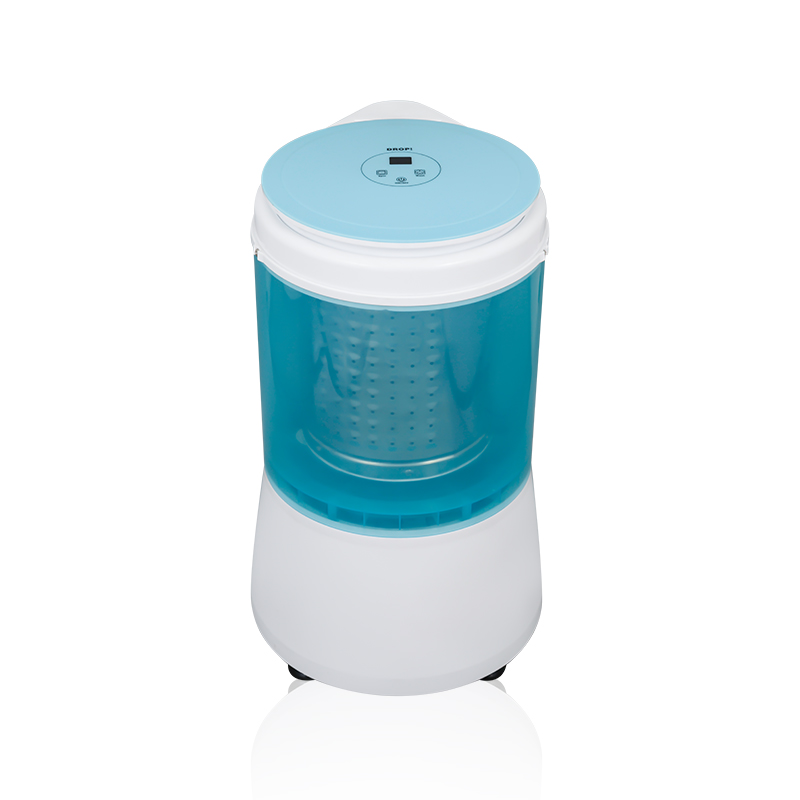
No.62, Beiyihuan Road, Industry Area Zhangqi Town Cixi Ningbo China.
Phone:+86-13777243189

CALL OR SEND E-MAIL
No.62, Beiyihuan Road, Industry Area Zhangqi Town Cixi Ningbo China.
Phone:+86-13777243189
Content
Yes — shrinking and stretching are real risks when machine-washing hand wash only clothes, but both are entirely preventable with the right techniques. The key lies in controlling three variables: water temperature, mechanical agitation, and spin force. Understanding how each of these affects delicate fibers — and how to work around them using your washing machine's settings — will let you safely clean garments labeled "hand wash only" without permanently distorting them.
This guide covers everything from washer settings and detergent selection to drying methods and the ongoing debate over whether is hand washing clothes better than machine washing for delicates. Whether you own a modern hand washing machine with a dedicated gentle cycle or a basic top-loader, the principles here apply.
Before exploring prevention strategies, it helps to understand the mechanics of why damage happens in the first place. Shrinking and stretching are caused by different forces, but both are amplified by improper machine use.
Shrinking occurs when heat and agitation cause fiber structures to contract and tighten. Natural fibers — particularly wool, cashmere, and cotton — are especially vulnerable. Wool fibers have microscopic scales along their surface. When exposed to heat and mechanical agitation simultaneously, these scales interlock and mat together in a process called felting. Once felted, the damage is irreversible. A wool sweater can lose up to 30% of its original dimensions in a single hot-water machine cycle.
Cotton shrinks through a different mechanism: during manufacturing, cotton yarns are stretched under tension. Hot water relaxes this tension, allowing the yarns to return to their natural, shorter state. Pre-washed or "pre-shrunk" cotton is more stable, but even these can shrink further if repeatedly exposed to heat.
Stretching is the opposite problem, more common with knitted or loosely woven fabrics such as jersey, rayon, or fine silk. These fabrics absorb water and become significantly heavier when wet. In a machine, the spin cycle can pull saturated fabric outward with centrifugal force, elongating the weave. Additionally, garments that are not properly supported in the drum may fold and twist, creating localized stress points that permanently distort the shape.
Understanding these two failure modes is essential because prevention strategies differ: shrink prevention focuses on temperature and agitation control, while stretch prevention focuses on mechanical support and spin management.
Learning how to hand wash clothes in washer correctly is largely about replicating the gentleness of true hand laundering through deliberate machine settings and preparation. Follow these steps carefully for the best results.
Every garment has a care label that specifies the maximum water temperature, whether machine washing is permitted, and any fabric-specific warnings. Labels that read "hand wash only" indicate the fabric cannot tolerate standard machine agitation. However, many modern machines offer settings that mimic hand laundry conditions closely enough to be safe. Labels that say "dry clean only" are a firm boundary — do not machine wash these regardless of cycle.
Never mix heavy items like denim with delicates in the same load. The weight imbalance causes uneven agitation and the heavier items can physically press against and distort lighter garments. Similarly, washing dark and light colors together risks dye transfer, especially in warm water.
A mesh laundry bag is one of the single most effective tools for protecting hand wash items in a machine. It limits how freely the garment can move inside the drum, reducing the risk of stretching and snagging. Place each delicate item in its own bag — do not overfill, as compressed items do not rinse properly. Fine knitwear, lace, silk blouses, and items with decorative hardware should always be bagged.
Use the machine's hand wash, delicate, or gentle cycle. These settings reduce drum rotation speed to typically 30–40 RPM compared to 60–100 RPM on a standard wash cycle. Water temperature should be set to cold (30°C / 86°F or below) for all hand wash items. Cold water does not trigger fiber contraction and is safer for dye stability. Avoid warm or hot settings entirely for wool, silk, cashmere, and rayon.
Most machines allow you to adjust spin speed independently of the wash cycle. For hand wash items, set the spin speed to 400 RPM or below — or disable the spin cycle entirely. High spin speeds (800–1400 RPM, standard on many machines) generate centrifugal forces that pull wet fibers in opposing directions, causing irreversible stretching particularly in knits and woven silks.
Use a detergent specifically formulated for delicates or hand laundry — brands such as Woolite, The Laundress Delicate Wash, or Perwoll are designed to clean effectively at low temperatures without harsh surfactants that strip natural fiber proteins. Use no more than half the recommended dose for a standard load; excess detergent requires additional rinsing, which means more mechanical action and greater risk of stretching.
One of the most damaging things you can do to a freshly washed delicate garment is to wring out clothes the way you might wring a kitchen towel. This twisting motion places enormous stress on wet fibers — which are at their most vulnerable when saturated — and can permanently distort the garment's shape, particularly in knitted fabrics.
The correct technique to remove excess water without damage:
For those who do a lot of hand laundry, a hand crank wringer is a traditional but still highly effective tool. A hand crank wringer passes fabric between two rollers under controlled pressure, removing water evenly without the twisting that causes fiber damage. Unlike machine spinning, a hand crank wringer exerts even, linear pressure rather than centrifugal force, making it far gentler on knits and structured garments. Many vintage-style hand laundry washer setups pair a hand washing laundry basin with a mounted hand crank wringer for a fully controlled, low-risk laundering process.
Not all washing machine cycles offer the same protection. The table below compares common machine settings and their suitability for hand wash items:
| Cycle | Agitation Speed | Typical Spin RPM | Water Temp | Safe for Hand Wash Items? |
|---|---|---|---|---|
| Normal / Cotton | High | 800–1400 | 40–60°C | No |
| Synthetics | Medium | 600–800 | 30–40°C | Not recommended |
| Delicate / Gentle | Low | 400–600 | 20–30°C | Generally yes |
| Hand Wash Cycle | Very Low | 200–400 | 20–30°C | Yes (with mesh bag) |
| Wool Cycle | Minimal / Soak | 100–200 | Cold (15–20°C) | Yes — best for wool and cashmere |
The question of is hand washing clothes better than machine washing for delicates is one that comes up frequently — and the honest answer is: it depends on the garment, the machine, and the operator's skill.
True hand laundry — washing clothes by hand in a sink or hand washing laundry basin — gives the operator complete control. You feel the fabric, control the pressure, and can instantly stop if you sense resistance. When someone has washed clothes by hand carefully and correctly, the results for fine fabrics are usually superior to machine washing: less fiber stress, no centrifugal force, and the ability to spot-treat specific areas.
However, machine washing on a proper hand wash or wool cycle has some objective advantages:
The practical conclusion: for most people and most delicate garments, a correctly configured machine hand wash cycle is at least as safe as manual washing and more consistent. The exceptions are extremely fragile items — vintage lace, hand-painted fabric, beaded or embellished garments — where tactile control remains essential and true hand washing is the better choice.
Knowing how to effectively hand wash clothes is a skill that complements machine use — for the garments where even the gentlest machine cycle is too risky, or when travelling without access to a hand washer laundry appliance. Here is the correct process:
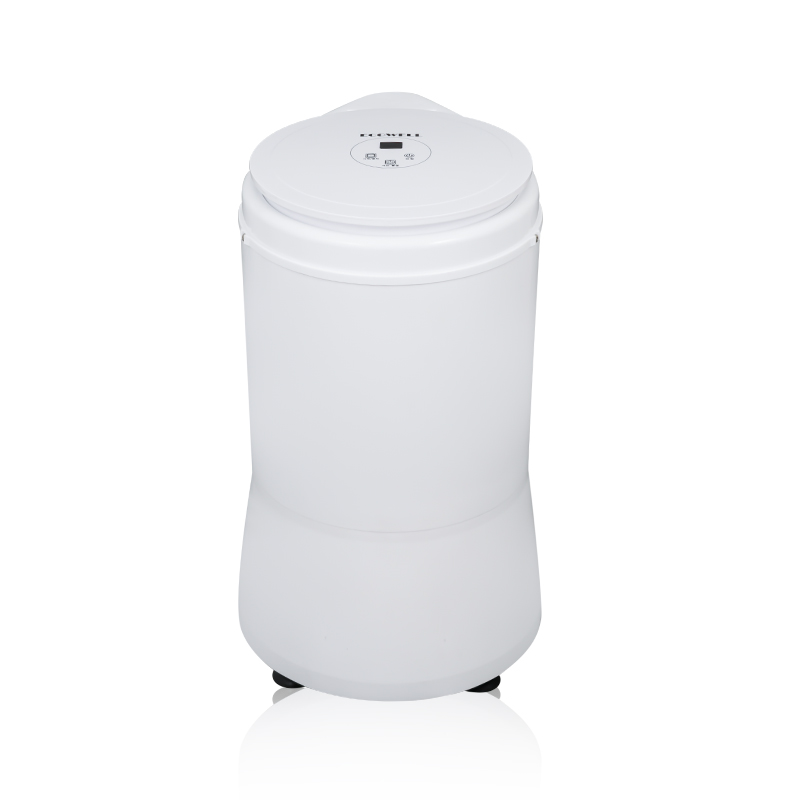
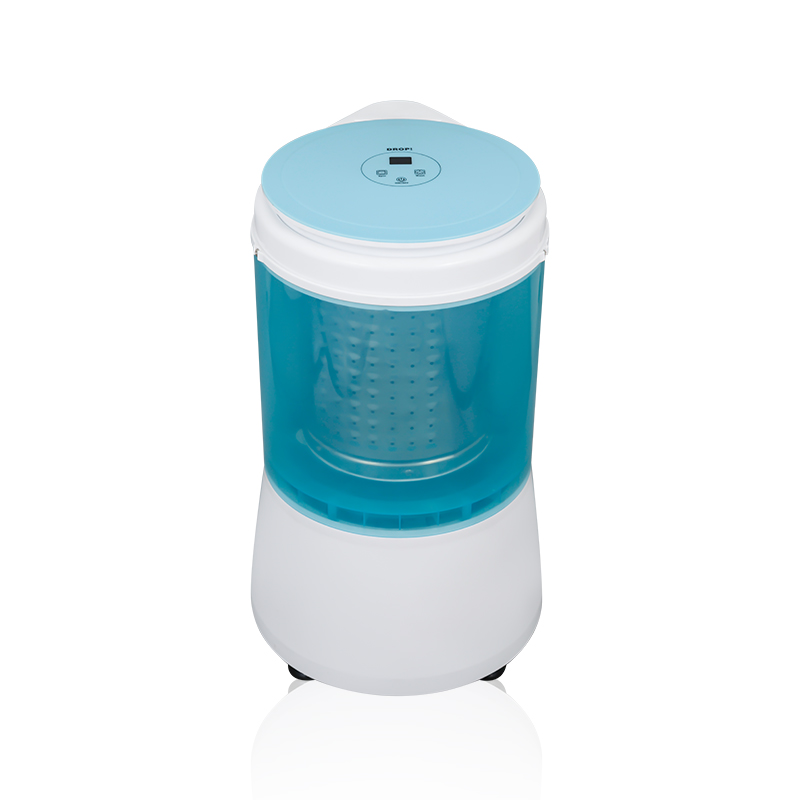
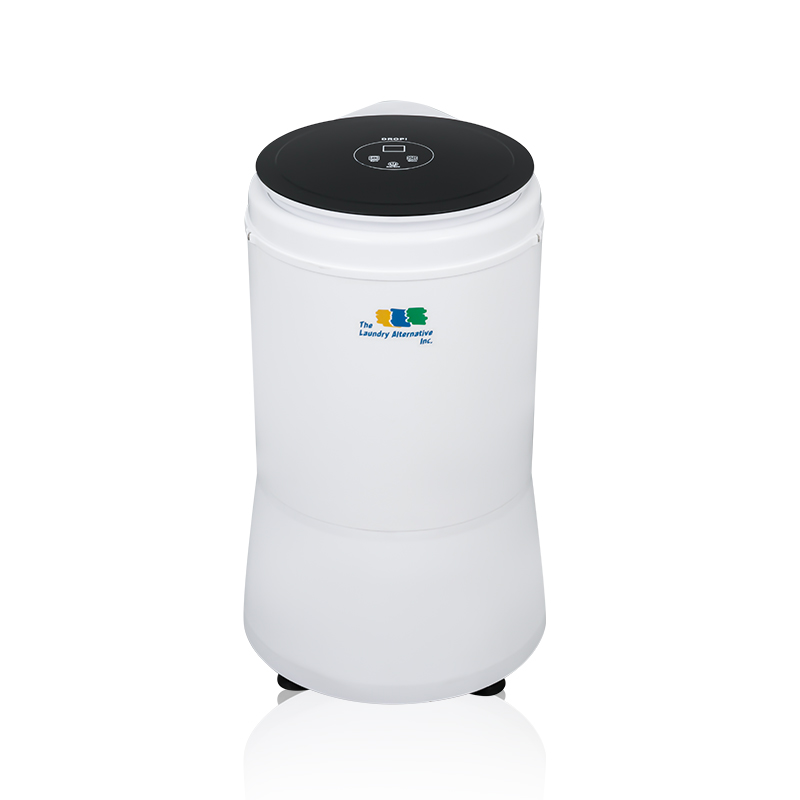
If you regularly do significant volumes of hand washing laundry, investing in a dedicated hand clothing washer — such as a countertop portable device or a hand laundry washer drum unit — can dramatically reduce the physical effort while maintaining the gentle action that hand wash items require.
A growing range of products bridges the gap between true hand washing and full machine washing. These tools are particularly useful for travelers, apartment dwellers with limited access to machines, or anyone who wants greater control over the washing process for delicate items.
A dedicated hand washing laundry basin — as distinct from a regular sink — typically features a textured or ridged base that aids gentle agitation without abrasion, and a built-in drain stopper for easy water control. Some models include a built-in washboard section for lightly structured scrubbing. These are low-cost, durable tools that make the hand washing process significantly more efficient.
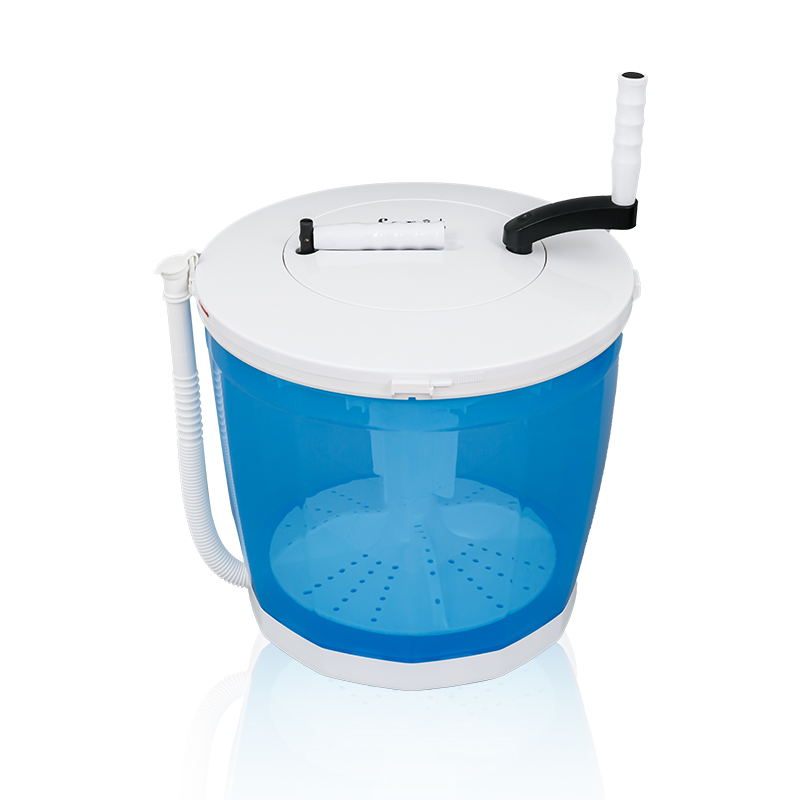
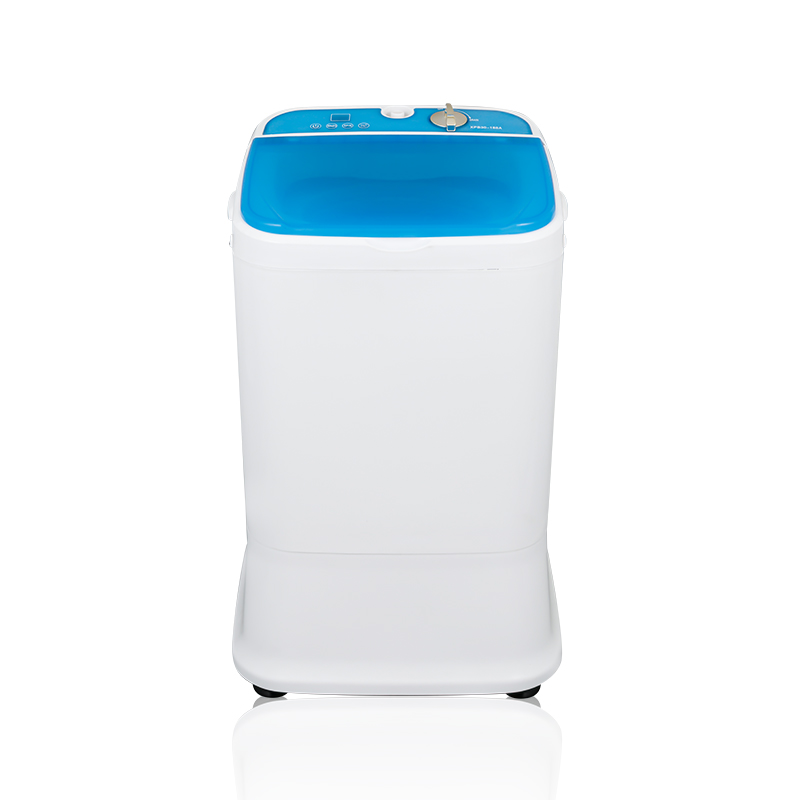
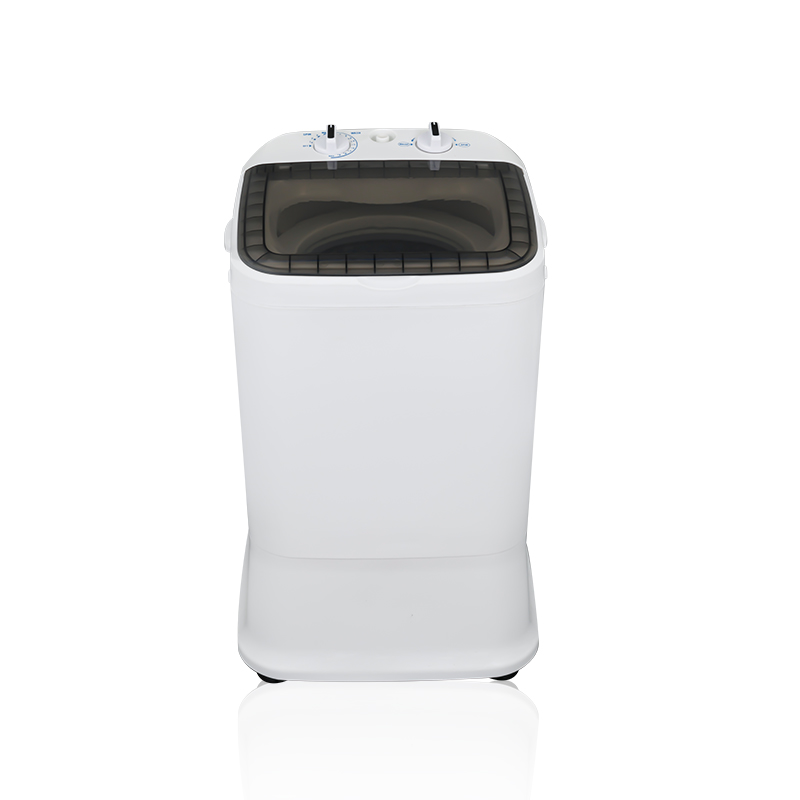
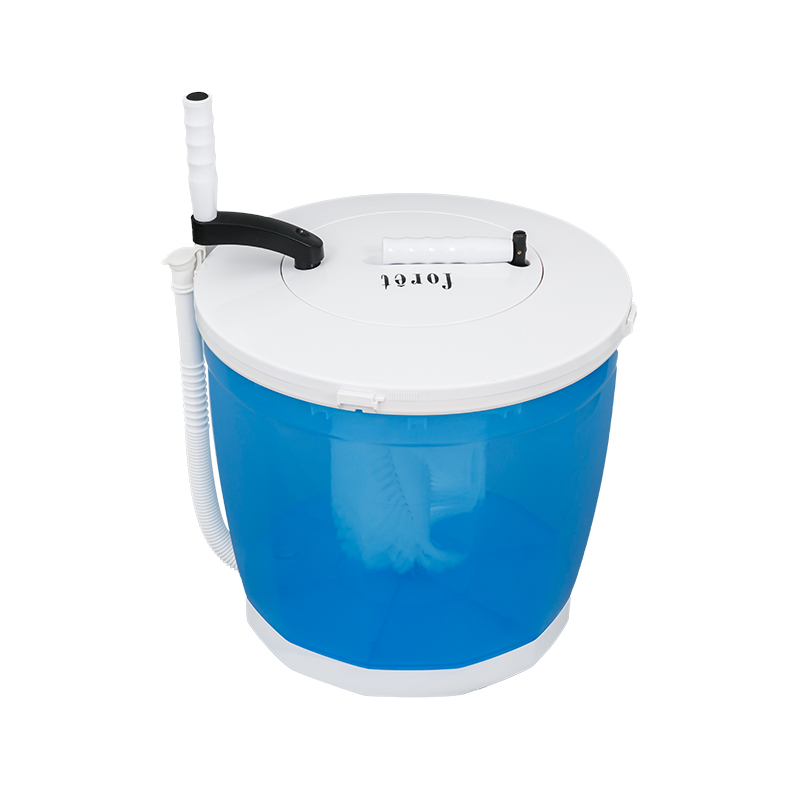
A hand washing machine — in the portable sense — refers to compact, typically non-electric devices designed to agitate small loads of clothing. Popular models include:
The hand crank wringer deserves special mention as a standalone tool for water removal. Unlike spinning in a machine or manually wringing out clothes, a hand crank wringer passes the garment between two cylindrical rollers under adjustable pressure. The garment emerges with much of its water removed but without twisting stress. Many traditional hand laundry washer setups — particularly those used in rural or off-grid contexts — pair a wash basin with a clamp-mounted hand crank wringer for a complete, machine-free laundry system.
Modern versions of the hand crank wringer are available in both tabletop and standalone models, with roller pressure adjustable to suit different fabric thicknesses. For delicate knitwear, use the lowest pressure setting and pass the garment through slowly to avoid localized stress points.
Different fabrics carry different risks. The following table summarizes the primary shrink/stretch risk for common hand wash fabrics and the recommended machine approach:
| Fabric | Primary Risk | Recommended Machine Setting | Max Water Temp | Max Spin RPM |
|---|---|---|---|---|
| Wool / Cashmere | Felting / severe shrinkage | Wool cycle | 30°C | 200 |
| Silk | Stretching / dye bleeding | Hand wash cycle | 30°C | 400 |
| Rayon / Viscose | Stretching when wet | Delicate cycle | 30°C | 400 |
| Linen | Shrinkage in heat | Gentle / hand wash cycle | 40°C | 600 |
| Fine Knit Cotton | Both shrinkage and stretch | Hand wash cycle + mesh bag | 30°C | 400 |
| Lace | Snagging / distortion | Hand wash cycle + mesh bag | 30°C | 200 |
Preventing shrinkage and stretching does not end when the wash cycle finishes. Drying is equally critical — in many cases, more damage occurs during drying than during washing, particularly through the use of tumble dryers on high heat.
The gold standard for knits, wool, and any garment at risk of stretching is flat drying. Lay the garment on a clean dry towel or a mesh drying rack in its original shape. Gently reshape it by hand while damp — pulling the hem, sleeves, and neckline back to their intended dimensions. Allow to dry naturally away from direct sunlight and heat sources, which can cause fading and further shrinkage.
Hanging is suitable for woven fabrics that retain their structure when wet — shirts, trousers, and structured blouses. However, avoid hanging heavy knitwear while wet; the weight of the saturated fabric will pull the garment downward and stretch the shoulders and body significantly. A sweater that dries on a hanger can lose an inch or more in width and gain the same in length.
For most hand wash items, avoid the tumble dryer entirely. If you must use one, select the lowest heat setting (air-only or cool) and remove the garment while still slightly damp. Finish drying flat. Never tumble dry wool, cashmere, silk, or rayon — the combination of heat and mechanical tumbling produces rapid, irreversible shrinkage in these materials.
Even experienced launderers make these errors — understanding them is as important as knowing the correct technique.
Establishing a consistent routine for hand washer laundry — whether using a machine's hand wash cycle, a hand clothing washer, or a basin and your hands — dramatically reduces the risk of accidental damage over time. The following workflow applies regardless of the washing method chosen:
For those who regularly manage significant quantities of hand laundry, investing in a quality hand laundry washer appliance — either a compact electric unit or a manual hand crank wringer system — can transform what feels like a labor-intensive chore into a fast, reliable process that consistently protects your most valuable garments.
Preventing shrinking and stretching when using a washer for hand wash clothes comes down to consistent application of a few key principles: cold water always, minimal agitation, low or no spin, mesh bag protection, and gentle water removal without wringing. Whether you choose to use your machine's hand wash cycle, a dedicated hand clothing washer, a traditional hand washing laundry basin, or a combination approach with a hand crank wringer for water removal, the fundamentals remain the same. Take the time to sort, protect, and dry your garments correctly, and even the most delicate items in your wardrobe can be laundered safely at home — without the expense of dry cleaning and without the anxiety of opening the machine to find a shrunken or distorted garment.
 No.62, Beiyihuan Road, Industry Area Zhangqi Town Cixi Ningbo China.
 13777243189
 +86-13777243189
 +86-0574-63809239
Copyright © Ningbo Changle Electric Appliance Co., Ltd. All Rights Reserved.