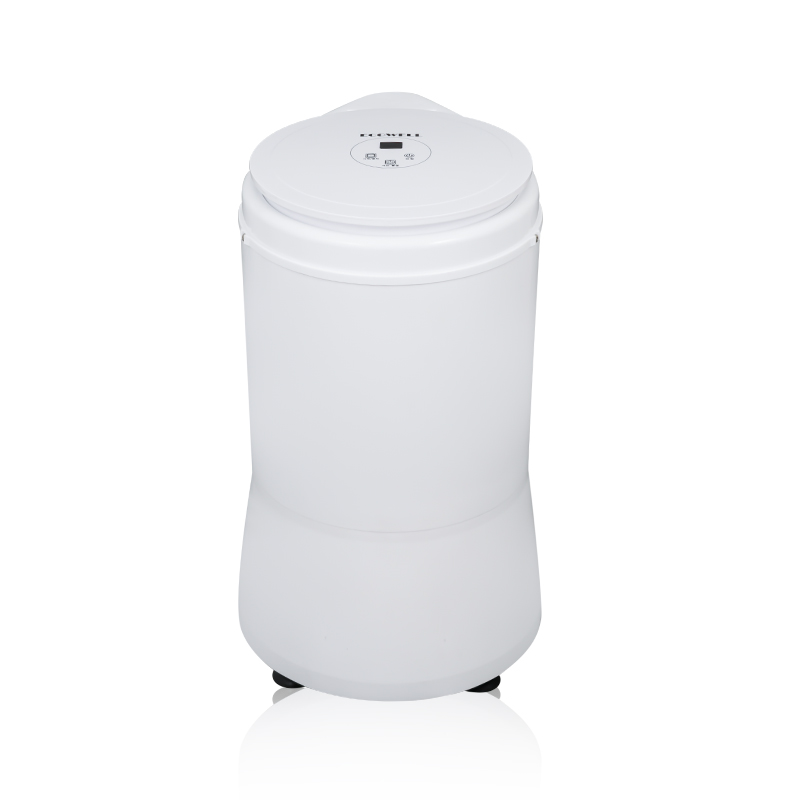
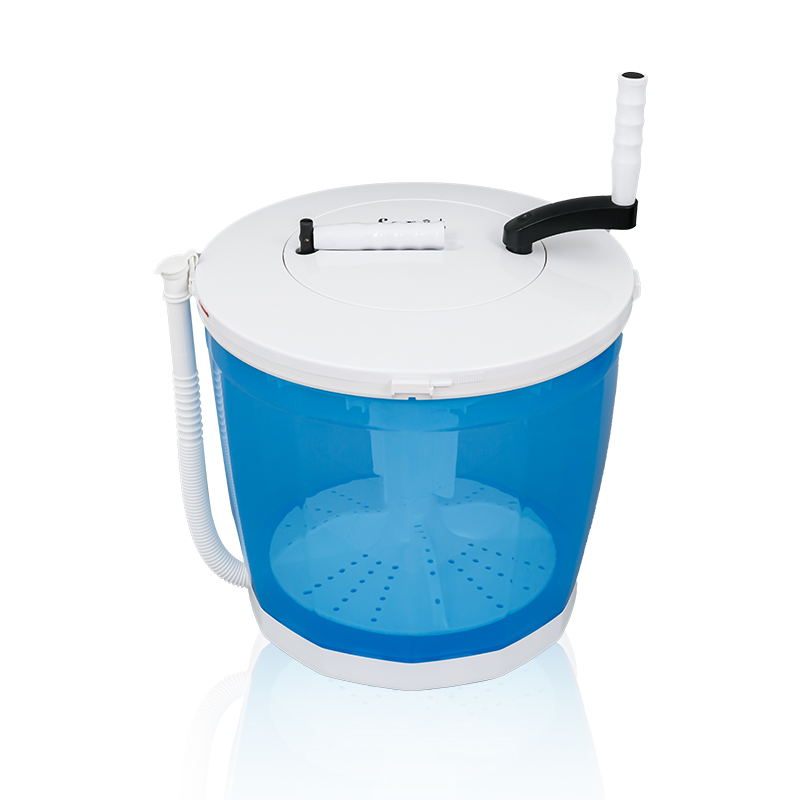
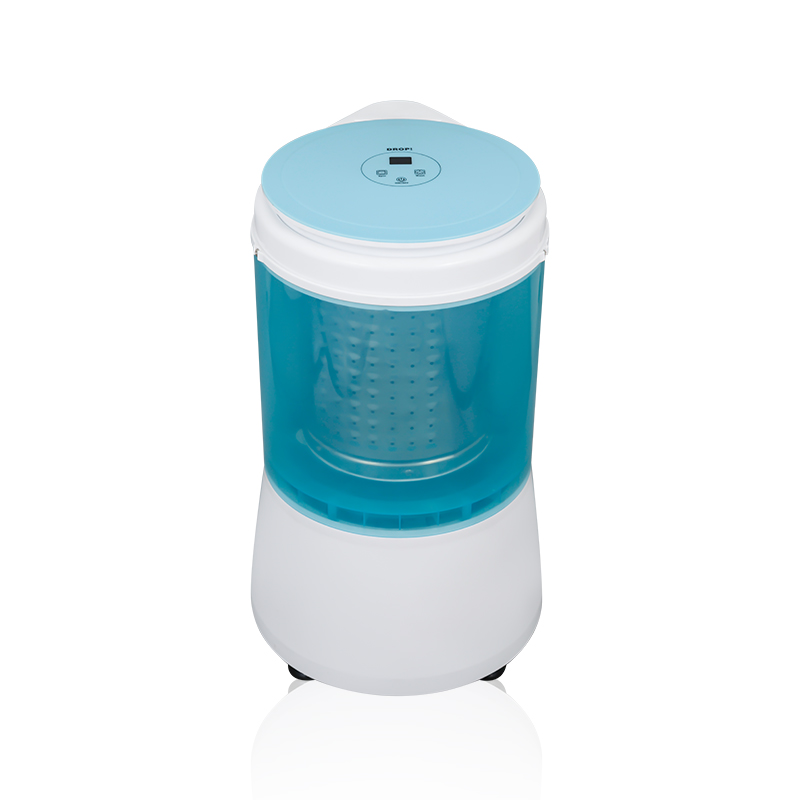
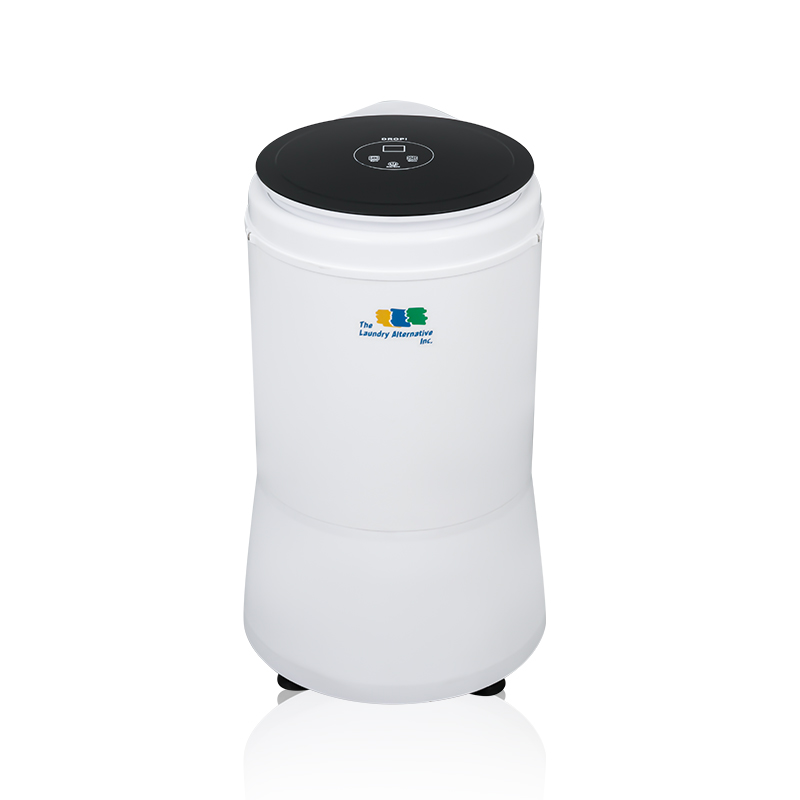
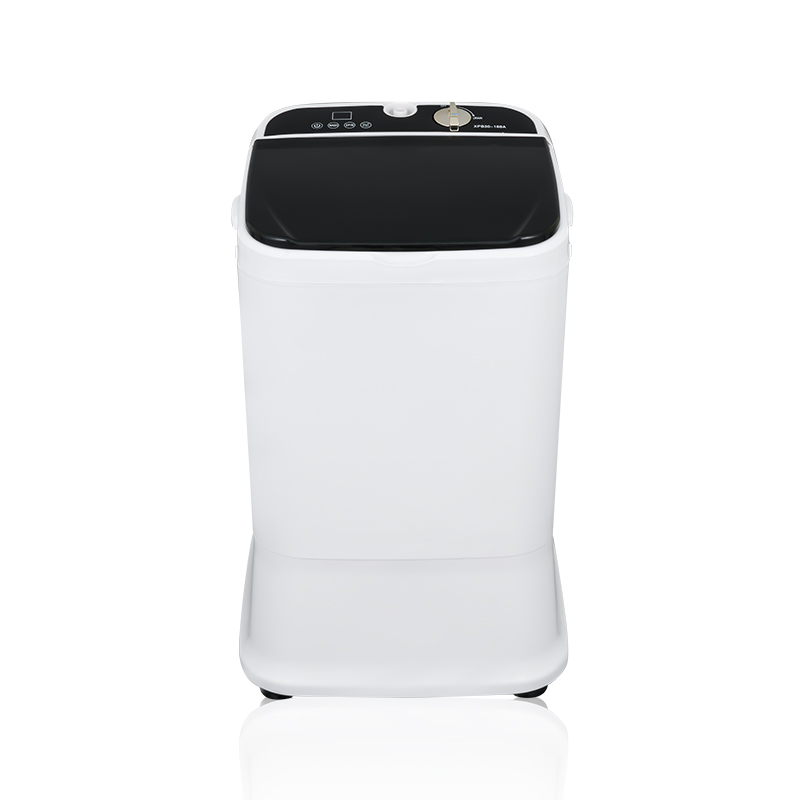
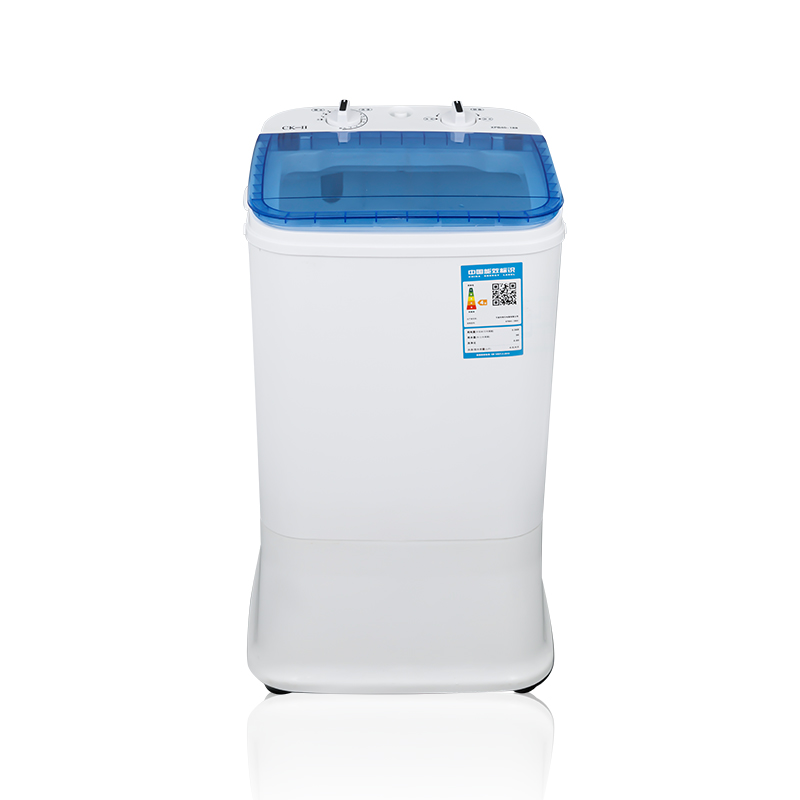
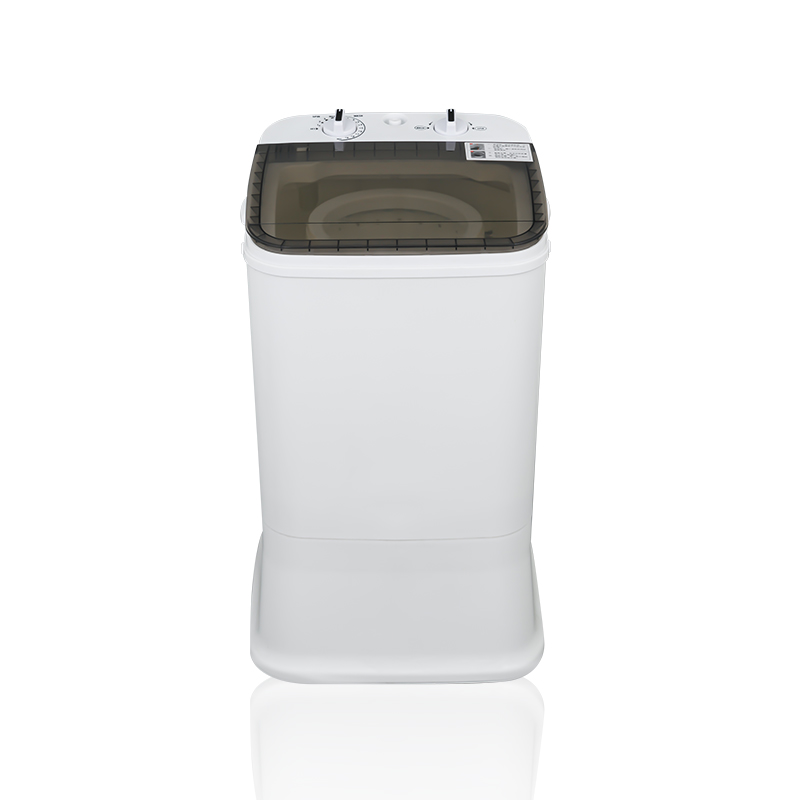
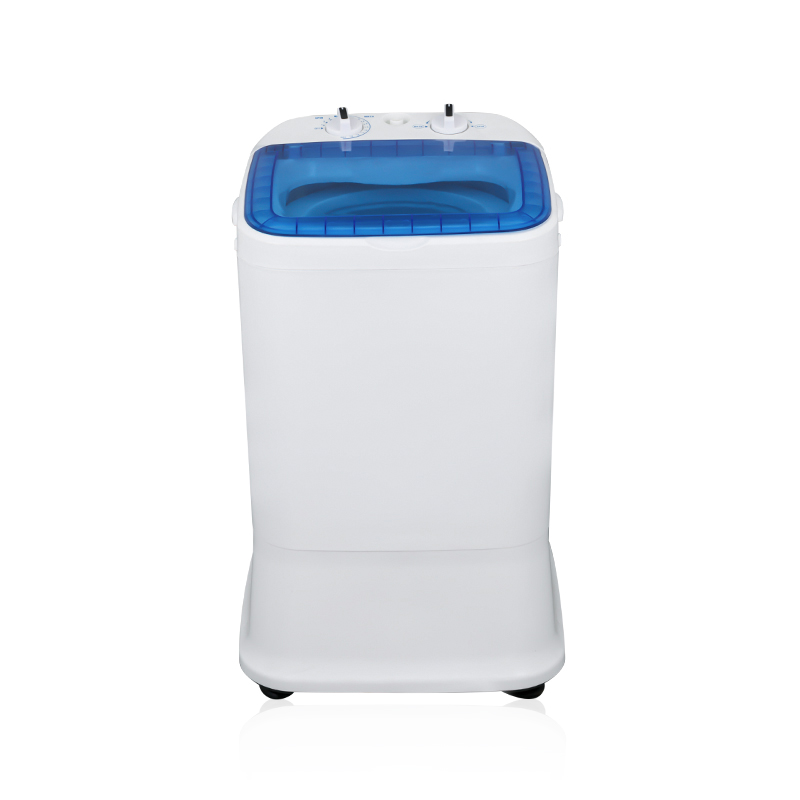
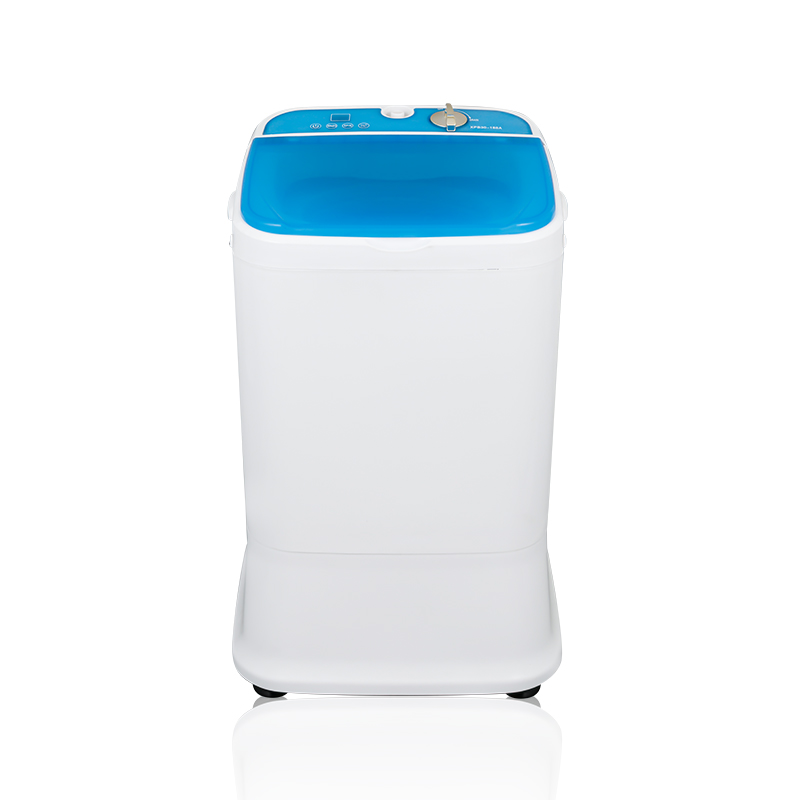
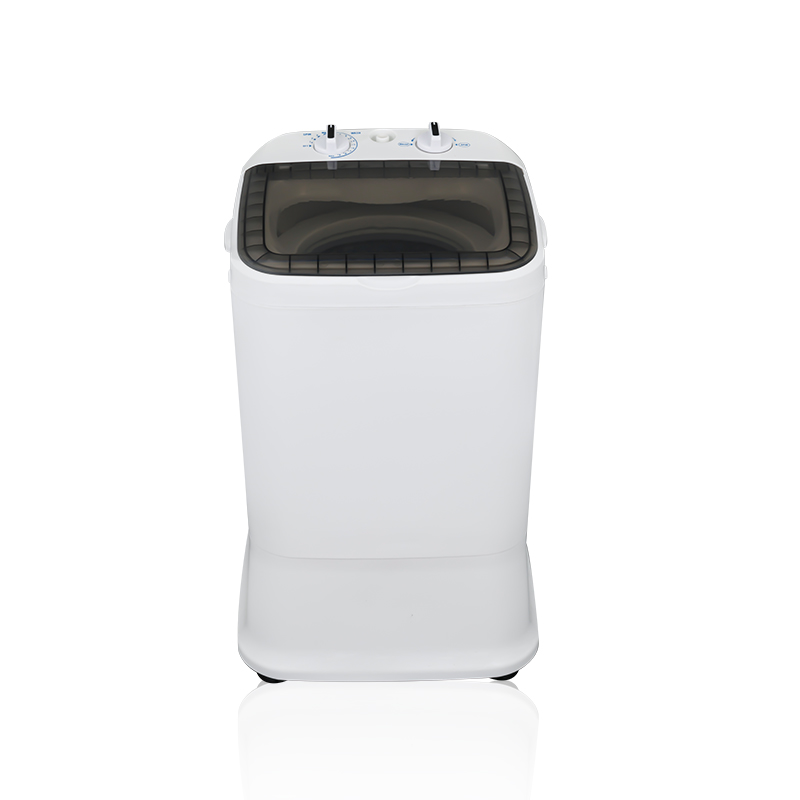
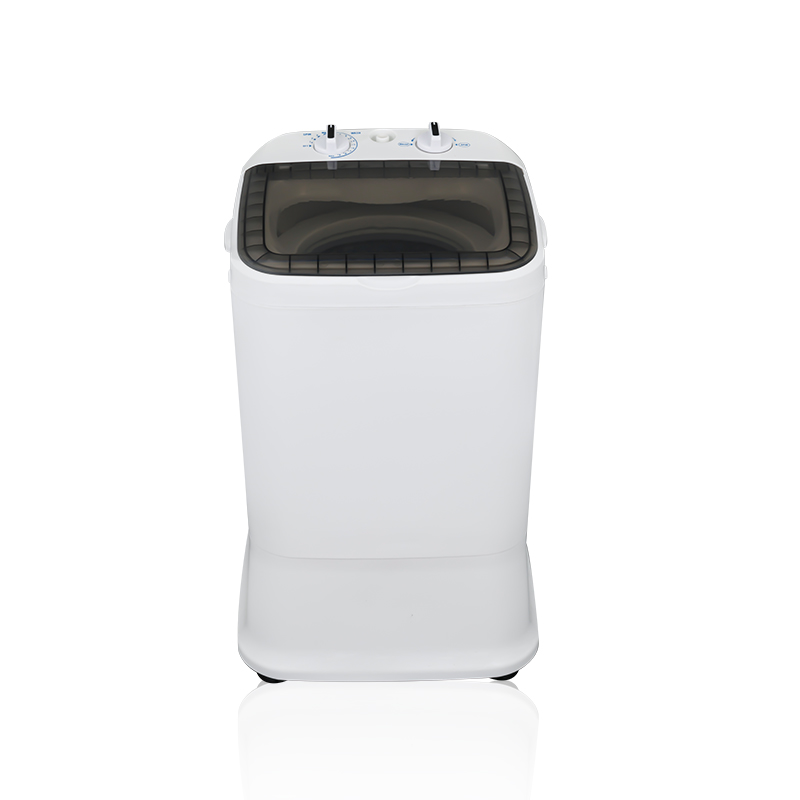
When purchasing a Mini Countertop Spin Dryer, understanding its key features can greatly affect your overall experience.
1. Load Capacity
Why is capacity one of the most important factors?
Capacity determines how many clothes you can spin dry at once. If the capacity is too small, you’ll need to run multiple cycles, which significantly reduces efficiency.
Typical capacities for mini spin dryers
Mini spin dryers generally range from 2.5kg to 5kg, though smaller and larger models exist.
Capacity recommendations for different users
- Single / Student Dorm: 2.5–3 kg
- Couples / Small Family: 4–5 kg
- RV / Camping / Occasional Use: 2–3 kg
- For towels or jeans: at least 3.5 kg
2. Spin Speed (RPM) – How it affects drying efficiency
What does a higher spin speed mean?
Higher RPM results in more thorough dehydration, leaving clothes less damp and reducing subsequent drying time.
Common spin speed ranges
- Standard models: 1500–2500 RPM
- High-efficiency models: 2800–3200 RPM
Which clothes benefit from higher spin speed?
- Towels
- Bedsheets
- Jeans
- Thick cotton clothes
Low speeds are better for delicate fabrics like silk and wool.
3. Build Quality & Materials
Why does build material affect durability?
Mini spin dryers endure high-speed vibrations. Structural quality directly impacts durability and safety.
Common materials comparison
| Material Type |
Advantages |
Disadvantages |
Ideal Users |
| Stainless Steel Drum |
Corrosion-resistant, durable, long lifespan |
Slightly higher cost |
Long-term household use |
| Plastic Drum (Reinforced ABS) |
Lightweight, low cost |
Less durable |
Temporary or light-use users |
| Metal Shell + ABS Combo |
Stable, anti-vibration |
Slightly heavier |
Apartment or household users |
Stability design is also important
- Anti-slip feet
- Shock-absorbing pads
- Safety lid lock
- Balanced body design
These features help reduce noise and vibration.
4. Ease of Use
What type of operation is most convenient?
Good mini spin dryers usually have:
- Plug-and-play design
- Simple timer knobs
- Transparent lid to monitor spinning
- Automatic stop for safety
How important is drainage convenience?
Most mini dryers don’t need complex drainage systems, but consider:
Common drainage methods
- Manual bottom drain – simple but requires tilting the machine
- Hose drainage – connects directly to a sink for easier use; ideal for daily home use
5. Energy Efficiency
Why are mini spin dryers especially energy-efficient?
They use high-speed spinning to remove water without heat, so:
- Much lower power consumption than electric dryers
- Environmentally friendly
- Ideal for areas with high electricity costs
How energy-saving is it?
- Clothing moisture content reduced by ≥80%
- Drying time shortened by 50–70%
- Can complement electric dryers to further reduce energy use
6. Fabric Friendliness
Why does gentle spinning matter?
High RPM may stretch delicate fabrics. A good mini dryer should offer:
- Smooth start and stop
- No sharp edges inside drum
- Gentle mode
Suitable fabrics
- Cotton: highly suitable
- Jeans: high RPM recommended
- Underwear: gentle mode preferred
- Silk / Wool: low speed or avoid
7. Size & Portability
Why do small-space users love mini spin dryers?
Mini spin dryers are designed for:
- Small apartments
- Dorm rooms
- Rental apartments
- Tiny homes
- RV trips
- Camping
- Gyms or pools for quick drying
Recommended size range
- Height: 45–60 cm
- Diameter: 30–40 cm
- Weight: 4–10 kg
8. Noise & Vibration Control
Where does noise come from?
High spin speeds can cause vibrations and imbalance, generating noise.
Noise-reducing features
- Balanced drum design
- Multi-point shock-absorbing feet
- Anti-slip base
- Automatic drum balance
Tips to reduce noise
- Distribute clothes evenly
- Avoid overloading
- Place on a flat surface
9. Price & Maintenance
Price ranges (2025 market)
- Entry-level: $60–$90
- Mid-range: $100–$150
- High-end 3200 RPM models: $160–$250
Maintenance convenience
Mini spin dryers are easy to maintain:
- Wipe drum dry regularly
- Clean drain ports occasionally
- Avoid placing heavy objects on top
Lifespan
Typically 3–6 years or longer depending on usage.
 English
 中文简体
中文简体 Español

 No.62, Beiyihuan Road, Industry Area Zhangqi Town Cixi Ningbo China.
 13777243189
 +86-13777243189
 +86-0574-63809239