Quick answer: For most households with regular electricity access and a budget over $300, an automatic washing machine wins on convenience, capacity, and long-term fabric care. However, if you live off-grid, travel frequently, have limited space, or prioritize water and energy savings, a manual washing machine — or even mastering how to hand wash clothes effectively — can be a smarter, more sustainable choice. Keep reading to find out which option fits your exact situation.
What Exactly Are We Comparing?
Before diving into pros, cons, and data, it helps to be precise about what we mean by each category. The terms "automatic" and "manual" washing machine cover a wider range of products than most people realize — and confusing them leads to poor purchasing decisions.
Automatic Washing Machines
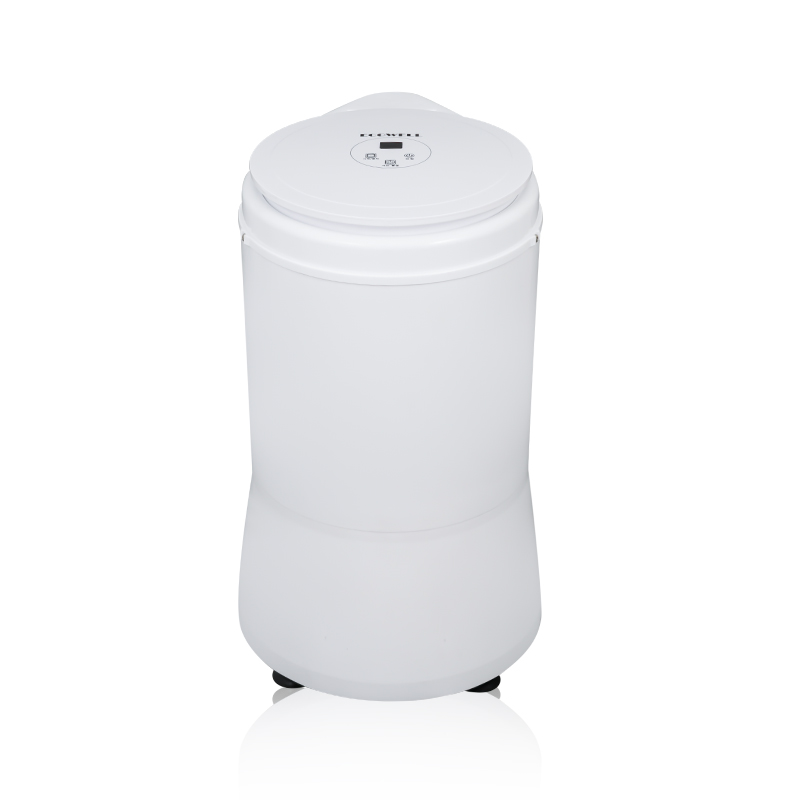
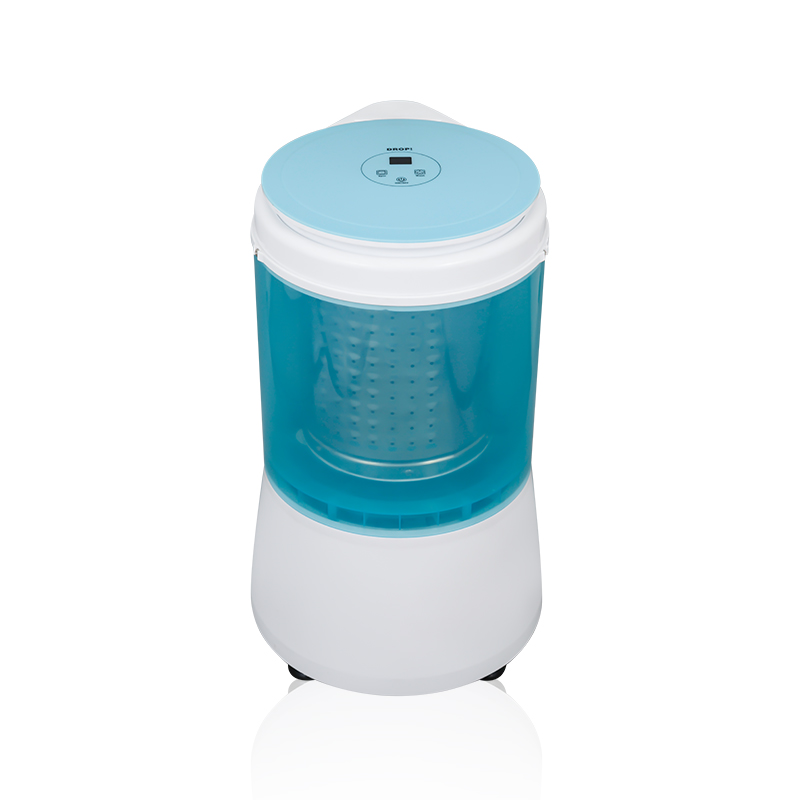
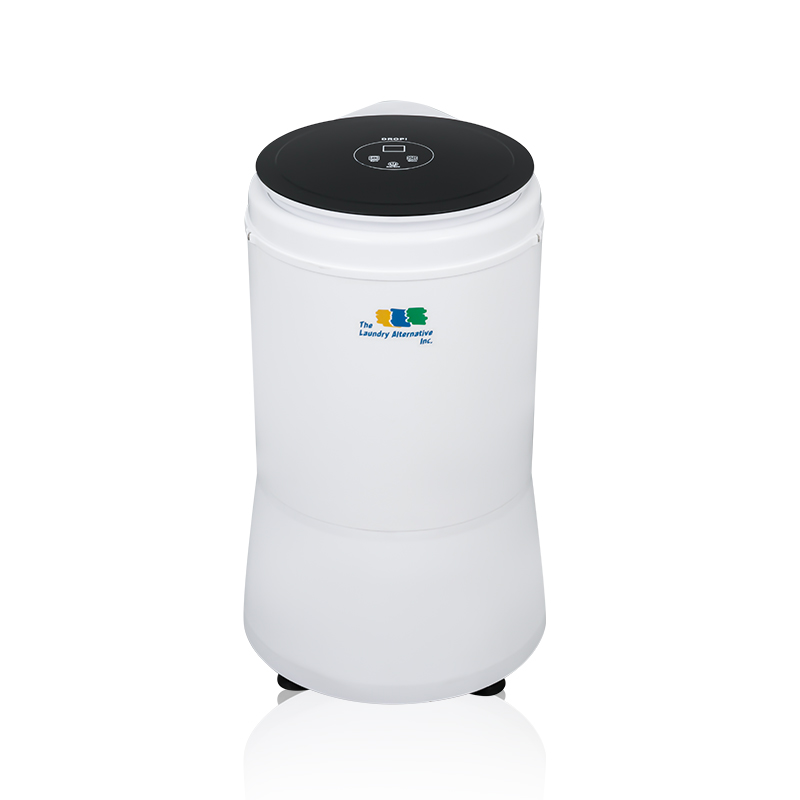
An automatic washing machine is any electrically powered unit that controls some or all of the wash cycle without human intervention. This category includes:
- Fully automatic top-load machines — most common in North America and Asia; fill, wash, rinse, and spin automatically.
- Fully automatic front-load machines — more water and energy efficient; standard in Europe.
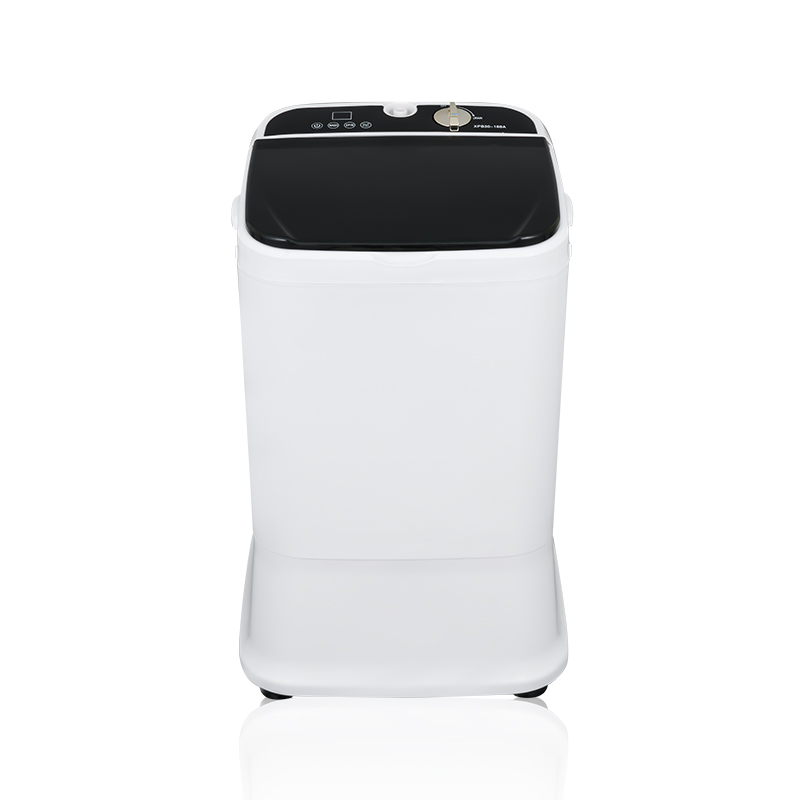
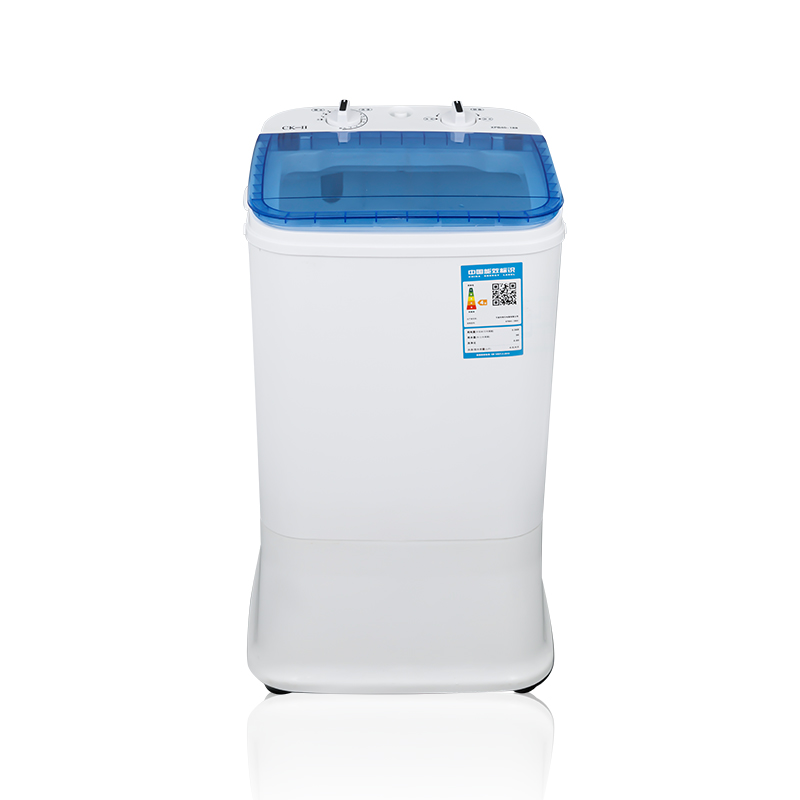
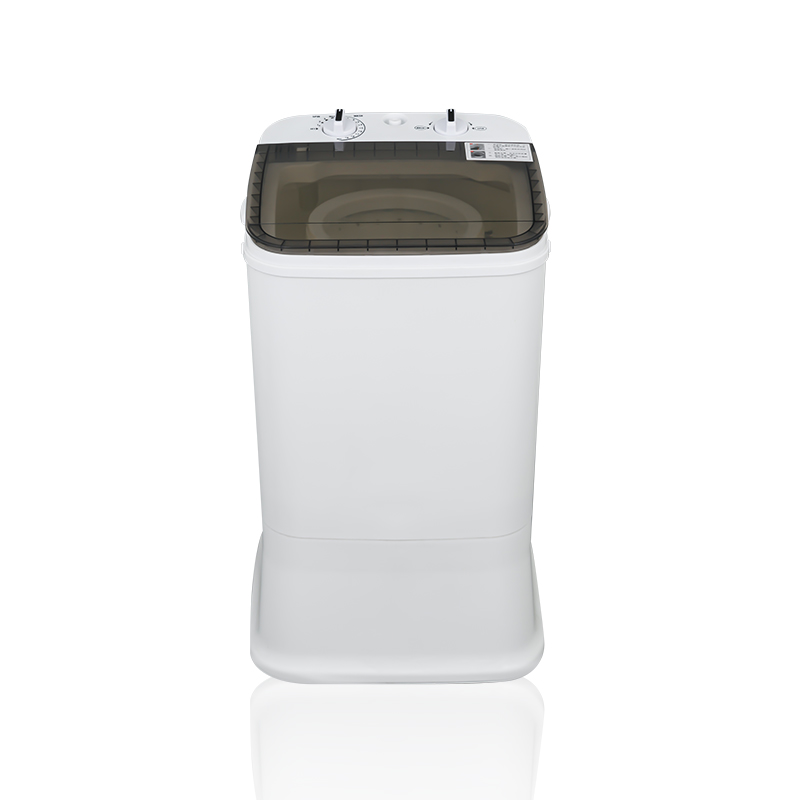
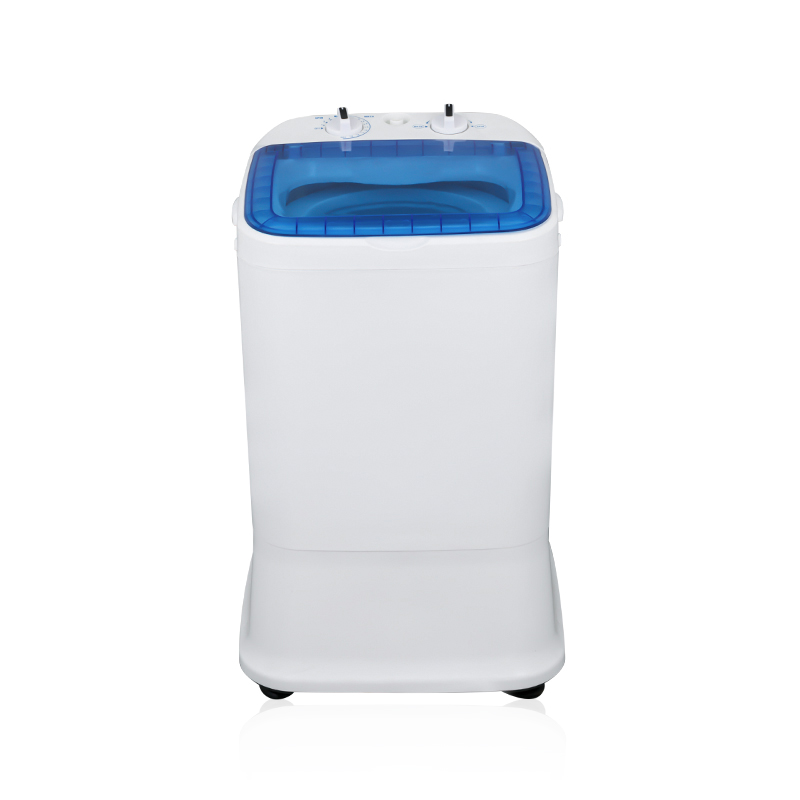
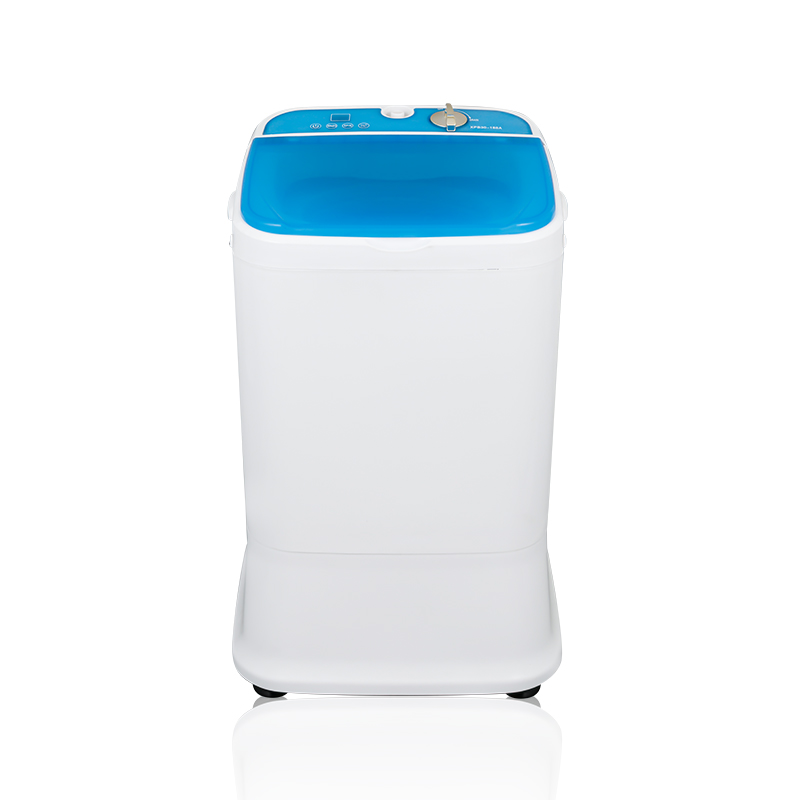
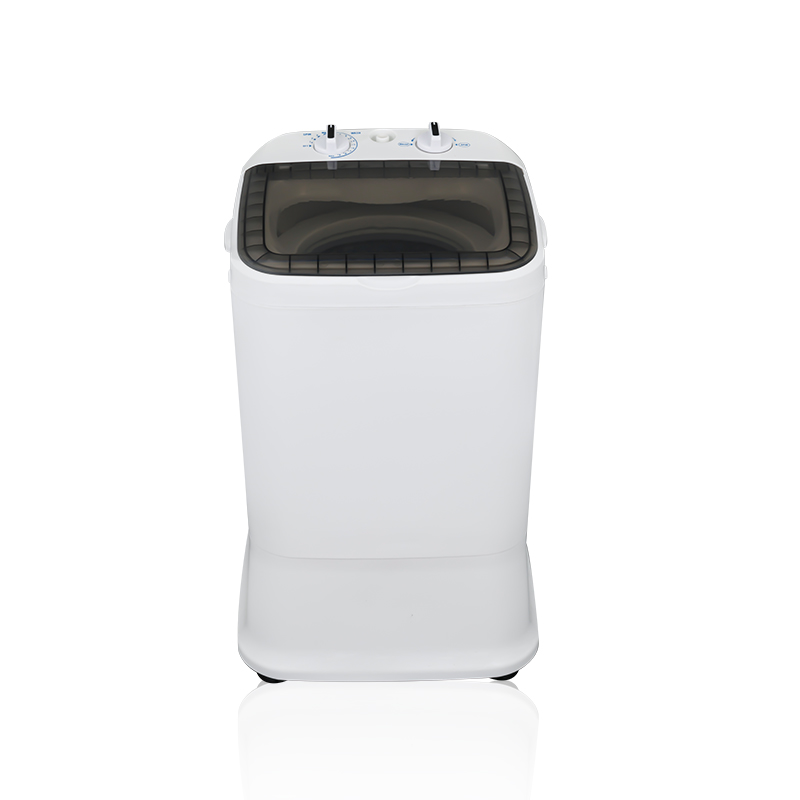
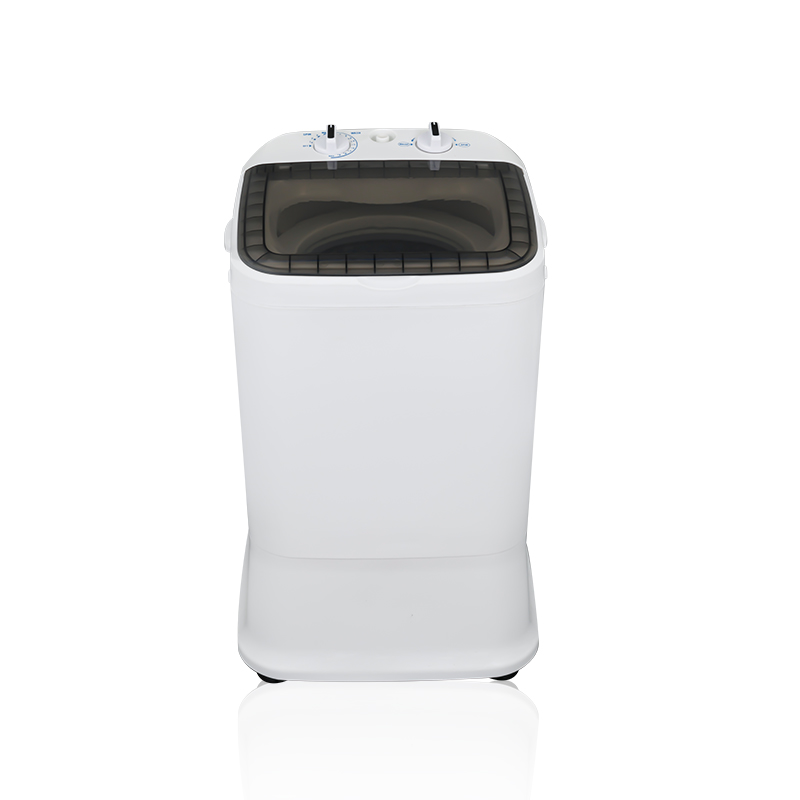
- Semi-automatic machines — require manual water filling and transferring clothes between the wash and spin tubs; popular in developing markets for their lower cost.
Manual Washing Machines
A manual washing machine is any device that cleans clothes without electricity — relying on human effort instead of a motor. This category includes:
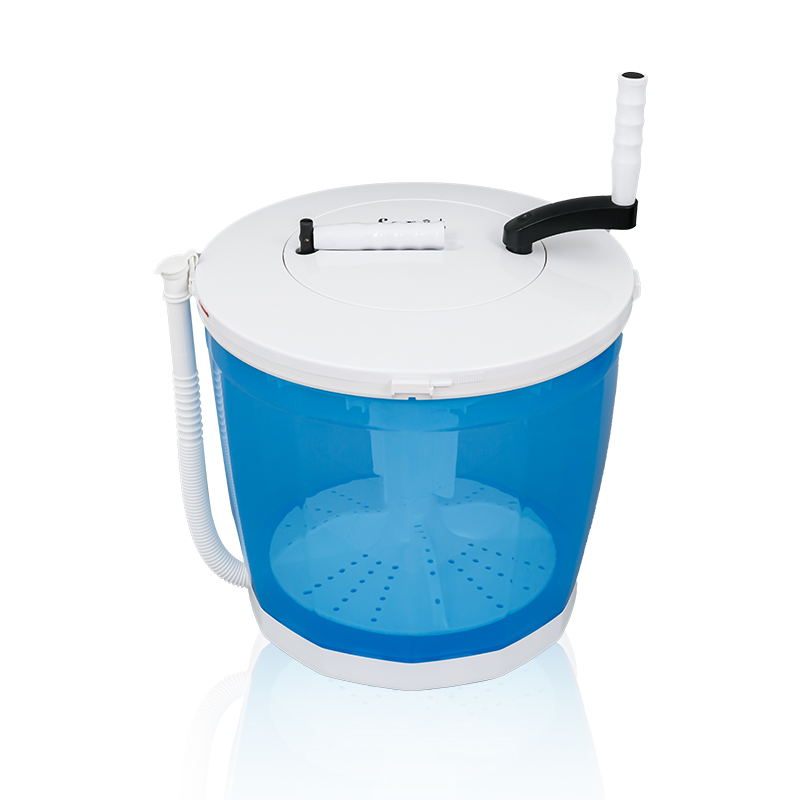
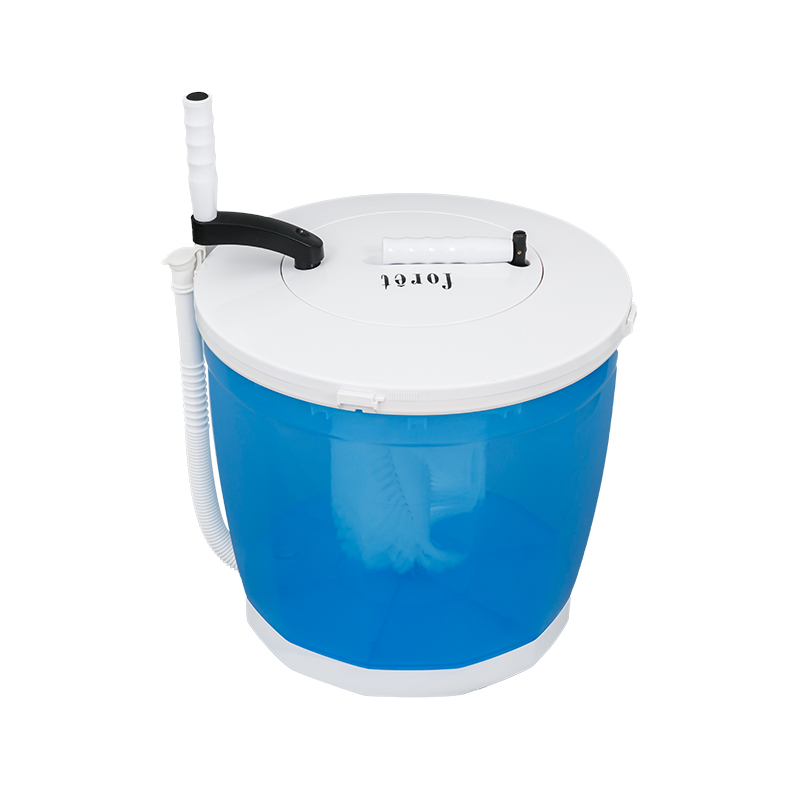
- Hand crank washing machines — a drum or barrel turned by a hand crank; some models include a hand crank wringer for removing excess water.
- Plunger-style washers — a hand clothing washer that uses a plunger mechanism to agitate clothes in a bucket.
- Portable hand laundry machines — compact, foot-powered or hand-powered devices designed for travel or small loads.
- Pure hand washing — washing clothes with hands in a sink, tub, or hand washing laundry basin using manual agitation.
Understanding this spectrum matters because a hand laundry washer is not the same as purely washing clothes by hand, and a semi-automatic isn't fully manual. Your ideal solution may sit anywhere along this spectrum.
The Honest Pros and Cons of Automatic Washing Machines
Automatic washing machines dominate the global laundry market for good reason — but they come with real trade-offs that are often glossed over in product marketing.
Advantages of Automatic Machines
- Time savings: A standard wash cycle runs 30–90 minutes unattended. You load it, press start, and do other things. Over a year, this saves an average household an estimated 100–150 hours of active laundry time versus hand washing laundry.
- Capacity: Most full-size machines handle 7–12 kg per load. This makes them practical for families, bulky items like duvets, and high-volume weeks.
- Washing performance: Modern machines — especially front-loaders — use precise temperature control, drum rotation patterns, and extended soak cycles that achieve cleaning results very difficult to replicate by hand.
- Fabric programs: Delicate, wool, sportswear, heavy-duty — automatic machines offer tailored cycles that protect specific fabric types in ways that uniform hand agitation cannot.
- Spin drying: Spin cycles at 1,000–1,600 RPM remove far more moisture than wringing by hand, dramatically reducing drying time — typically by 30–50%.
Disadvantages of Automatic Machines
- Cost: Entry-level automatics start at $300–$500; quality mid-range units run $600–$1,000; premium front-loaders exceed $1,500. Add $50–$200 for installation.
- Water consumption: Top-load automatics use 40–45 gallons (150–170 liters) per load. Even efficient front-loaders use 15–20 gallons. By comparison, hand washing a small load can be done in 5–8 gallons.
- Energy use: A standard electric washer uses 0.3–0.5 kWh per cold cycle and up to 2.5 kWh for hot washes. Annual electricity cost for weekly laundry runs $30–$80 depending on local rates.
- Space requirements: Standard machines require a dedicated utility space, water supply connections, and drainage — incompatible with small apartments, RVs, or off-grid homes.
- Maintenance and repair costs: Average repair bills run $150–$350; major component failures (motor, drum bearing, control board) can cost as much as buying a new unit.
- Microplastic pollution: Synthetic fabrics shed microplastic fibers during machine wash cycles. Studies estimate a single wash can release 700,000 plastic fibers into wastewater — a growing environmental concern.
The case for manual laundry — whether via a hand laundry machine, a plunger washer, or pure hand washing — is stronger than most people in developed markets acknowledge. Here's a balanced look.
Advantages of Manual Washing
- Near-zero running cost: A hand crank washer or hand washing laundry basin has no electricity cost and no plumbing requirements. The only ongoing expense is detergent.
- Portability: Hand laundry washers and compact manual units fit in backpacks, RVs, boats, and camping setups. No infrastructure needed.
- Gentler on delicates: Learning how to effectively hand wash clothes — gentle agitation, controlled temperature — is the gold standard for silk, wool, lace, and embellished garments. Many care labels explicitly require it.
- Water efficiency: When done correctly, hand washing laundry uses significantly less water than machine washing. A disciplined hand washer can clean a day's clothing in 3–5 gallons.
- No microplastic release: Hand agitation in a basin releases fewer microplastic fibers than the mechanical tumbling of machine wash cycles — an important factor for environmentally conscious households.
- Spot cleaning precision: Hand washing allows you to focus on stained areas directly — something automatic cycles cannot do with the same precision.
Disadvantages of Manual Washing
- Physical effort: Washing clothes with hands — particularly heavier items like jeans, towels, or bedding — is physically demanding. It's not a realistic daily solution for large families or people with physical limitations.
- Time intensive: Even knowing how to hand wash clothes efficiently, a medium load takes 20–40 minutes of active effort. This is 3–4× the active time of loading/unloading an automatic machine.
- Incomplete rinsing risk: Many people who wash and dry clothes by hand leave detergent residue in fabric because they under-rinse. This causes skin irritation and accelerates fabric degradation.
- Limited capacity: Even the best hand laundry washer devices max out at 2–3 kg per session — impractical for large loads or bulky items.
- Inconsistent results: Without controlled temperature and agitation, hand-washed clothes may not achieve the sanitization levels needed for heavily soiled workwear, sports gear, or infant clothing.
Is Hand Washing Clothes Actually Better? The Data Might Surprise You
The question "is hand washing clothes better?" doesn't have a single answer — it depends entirely on what you're optimizing for. Here's what the evidence actually shows across four key dimensions.
Cleaning Effectiveness
For lightly soiled everyday clothing, washed clothes by hand can achieve comparable cleanliness to machine washing, provided the correct technique is used. However, for heavily soiled items — workwear, sports clothing, baby items — automatic machines with hot water cycles achieve significantly higher bacterial reduction. A University of Bonn study found that machine washing at 60°C (140°F) reduced bacterial load by over 99.9%, while typical hand washing temperatures of 30–40°C achieved only 70–90% reduction.
Verdict: Automatic wins for sanitization; hand washing is adequate for light daily laundry.
Fabric Longevity
This is where cleaning clothes by hand has a clear advantage. The mechanical tumbling action of automatic machines — especially at high spin speeds — causes progressive fiber damage. A study by the Hohenstein Institute found that garments washed 50 times in a machine showed measurably more fiber degradation than those hand washed the same number of times. Delicates, knitwear, and structured garments last longer when you know how to handwash clothing properly.
Verdict: Hand washing wins for fabric longevity, especially with delicates.
Water and Energy Efficiency
Contrary to popular belief, is washing clothes by hand better for the environment? It depends on your habits. An efficient hand washer uses 5–10 liters per kilogram of laundry. A modern A-rated front-load machine uses 7–10 liters per kg — comparable. However, the average person hand washing doesn't follow efficient protocols, and leaving the tap running during hand washing laundry can waste 30–60 liters per session. Machine efficiency is more consistent and predictable.
Verdict: Machines win for consistent water efficiency; disciplined hand washing can compete.
Skin and Allergy Considerations
People with sensitive skin or detergent allergies often find that hand clothing washer methods — with full control over rinsing — cause fewer reactions than machine washing, where residue can linger in fabric folds after the cycle ends. The ability to do an extra rinse pass by hand is simple and effective.
Verdict: Hand washing wins for sensitive skin, assuming thorough rinsing is performed.
Full Comparison Table: Automatic vs. Manual Washing
Automatic Washing Machine vs. Manual Washing — Key Metrics Compared
| Category |
Automatic Machine |
Manual / Hand Washing |
Winner |
| Upfront Cost |
$300–$1,500+ |
$0–$80 |
Manual |
| Running Cost (annual) |
$80–$200 (water + electricity) |
~$10–$30 (detergent only) |
Manual |
| Time per Load (active) |
5–10 min (load/unload) |
20–45 min |
Automatic |
| Capacity |
7–12 kg per load |
0.5–2 kg per session |
Automatic |
| Sanitization |
99.9% bacterial reduction (60°C) |
70–90% at typical hand-wash temps |
Automatic |
| Fabric Longevity |
Moderate wear over time |
Gentler, less fiber damage |
Manual |
| Water Use (per load) |
40–170 liters |
5–15 liters (if disciplined) |
Manual (if disciplined) |
| Space Required |
Dedicated utility space + plumbing |
Sink, bucket, or basin |
Manual |
| Environmental Impact |
Microplastics, energy use |
Lower emissions, fewer microplastics |
Manual |
| Portability |
Fixed installation |
Fully portable |
Manual |
How to Effectively Hand Wash Clothes: A Step-by-Step Guide
Poor technique is the most common reason people conclude that hand washing doesn't work as well as machine washing. Done correctly, how to hand wash laundry is a skill that produces excellent results for the right garment types. Here's the complete process.
What You'll Need
- A clean sink, bathtub, or dedicated hand washing laundry basin
- Mild liquid detergent (powder detergents can leave residue in hand washing)
- Clean towels for pressing out water
- Optional: a hand crank wringer or salad spinner for small items to speed up drying
Steps in Washing Clothes by Hand
- Sort your laundry. Separate lights from darks, and delicates from sturdier fabrics. Never hand wash a red garment with white items — color bleed is a real risk without the hot water of a machine wash to set colors.
- Check care labels. Items marked "dry clean only" should not be hand washed. Items marked "hand wash only" or "gentle" are your primary candidates for this method.
- Fill your basin with cool or lukewarm water. Most fabrics — especially delicates — should be washed in water no hotter than 30°C (86°F). Hot water causes shrinkage in wool and cotton, and color fading in dark garments. When learning how to wash laundry by hand, temperature control is the single most important variable.
- Add a small amount of detergent. Use 1 teaspoon of liquid detergent per small basin. Over-soaping is the second most common hand washing mistake — excess soap is difficult to rinse out completely.
- Submerge and pre-soak. For lightly soiled items, a 5-minute soak is sufficient. For more soiled clothing, soak for 15–30 minutes to loosen embedded dirt before agitation.
- Agitate gently. Squeeze the fabric repeatedly through the water. For sturdier items like cotton shirts, use gentle scrubbing with your knuckles on soiled areas. For delicates, swish without pulling or stretching. This is the core technique in how to washing clothes by hand without damaging fibers.
- Drain and refill for rinsing. Drain the soapy water completely, then refill with clean cool water. Submerge the garment and squeeze repeatedly until no suds remain. This typically takes two to three rinse cycles — more than most people do. Inadequate rinsing is the leading cause of skin irritation from hand-washed clothing.
- Remove excess water without wringing. To wring clothes out aggressively is the fastest way to stretch and damage delicate fibers. Instead, press the garment gently against the side of the basin. For sturdier items, a moderate twist is acceptable. Alternatively, roll the garment in a clean dry towel and press firmly to absorb moisture.
- Dry appropriately. Knowing how to hand wash and dry clothes correctly means drying flat for knits and sweaters (to prevent stretching on the hanger), and hanging cotton and synthetics in a shaded, ventilated area. Direct sunlight can fade colors and weaken some fibers over time.
Can You Hand Wash Clothes in a Washing Machine?
Yes — many automatic machines include a dedicated "hand wash" cycle that mimics the gentle agitation of hand clothing washer technique. If you want to hand wash clothes in washer settings, look for the "delicate," "hand wash," or "gentle" program on your machine. This uses slow drum rotation, reduced spin speed, and cool water. It's a good compromise for delicates when you don't want to wash entirely by hand. Similarly, some users ask how to wash clothes in washer using cold-only settings to approximate the results of hand washing — this works well for lightly soiled garments.
Manual Washing Machine Options: What's Actually on the Market
If you want the benefits of manual washing without the full effort of pure hand washing, there's a growing range of hand laundry machine options worth considering.
Hand Crank Drum Washers
These compact devices — essentially a lidded drum mounted in a frame — use a hand crank to rotate clothes through soapy water. Leading models include the Breathing Mobile Washer and the Laundry POD. They handle 1–2 kg per load, require no electricity, and clean surprisingly effectively for everyday garments. Most include a basic hand crank wringer or spin basket to reduce drying time. Prices range from $40–$150.
Plunger Washers
A plunger-style hand washer laundry device fits inside a standard 5-gallon bucket. You fill the bucket with water and detergent, add clothing, and use the plunger to agitate. The Rapid Washer and similar models are popular with campers and preppers. They're cheap ($15–$30), durable, and effective for small loads. The main drawback: more physical effort than a crank model.
Portable Electric Mini Washers
Technically electric, but worth mentioning: compact portable mini washers (like the Pyle PUCWM22 or various Amazon-branded units) work well for underwear, socks, and small garments. They use minimal water, fit under a sink, and cost $30–$80. For people in apartments who cannot install a full machine, these hand laundry washer-adjacent products bridge the gap effectively.
Scrubboard and Basin Method
The traditional washboard-and-basin approach remains genuinely effective for laundry hand cleaning of durable items like denim, canvas, and cotton workwear. It's more physically demanding but gives maximum control over scrubbing intensity in soiled areas. A quality washboard costs $15–$25 and lasts decades with no maintenance.
Who Should Choose an Automatic Machine?
Based on the data, automatic washing machines are the right primary choice for:
- Families of 3 or more people generating 8–15 kg of laundry per week — the time savings alone justify the investment.
- Households with infants or young children — frequent heavy-soil loads (formula stains, accidents) require hot-water sanitization that hand washing cannot reliably achieve.
- People with physical limitations — arthritis, back problems, or limited mobility make sustained hand washing impractical or impossible.
- Users in regions with reliable, affordable electricity — the running cost calculation favors machines when electricity is inexpensive.
- Those with heavy-duty workwear or sports gear — items requiring high-temperature sanitization cycles that are not achievable by hand laundry.
Who Should Choose a Manual Washing Machine or Hand Washing?
Manual approaches — whether a dedicated hand laundry machine or pure hand technique — are the better choice for:
- Solo travelers and digital nomads — a compact plunger washer weighs under 500g and handles daily clothing needs anywhere in the world.
- Off-grid and tiny home residents — no electricity requirement, no plumbing dependency, minimal water use.
- Apartment dwellers without laundry connections — avoids expensive laundromat fees for people who only have a sink and bathroom.
- People who own a significant number of delicates — if your wardrobe is heavy on silk, wool, cashmere, and lace, hand clothing washer methods protect your investment better than any machine cycle.
- Environmentally motivated households — for those prioritizing the lowest possible microplastic and carbon footprint, mastering how to hand wash clothes effectively is the most impactful laundry choice available.
- Emergency preparedness — power outages, natural disasters, or infrastructure disruptions make hand washing knowledge an essential life skill. Knowing the steps in washing clothes by hand is practical preparedness.
The Hybrid Approach: Using Both Methods Strategically
The most practical solution for many households isn't a binary choice — it's knowing when to use each method. Here's how a hybrid laundry strategy works in real life.
Machine Wash For:
- Bed linens, towels, and cotton everyday items
- Children's clothing and anything requiring sanitization
- Sports and gym clothing with heavy odor or soil
- Large bulk loads that would require hours of hand work
Hand Wash For:
- Wool sweaters, cashmere, silk blouses, and structured blazers
- Lightly worn items that need freshening rather than deep cleaning
- Items with embellishments, beading, or fragile prints
- Travel clothing mid-trip when machine access isn't available
- Spot-treating stained areas before a machine wash
This hybrid approach — machines for volume and sanitization, hand washing for delicates and precision — optimizes for both clothing longevity and convenience. It's how professional garment care experts, stylists, and fabric conservators actually manage their wardrobes.
How to Hand Wash and Dry Clothes When Traveling
One of the most practical skills for frequent travelers is mastering how to wash and dry clothes by hand efficiently in a hotel room, hostel, or Airbnb — without a machine in sight.
The Sink Method for Travel
Fill the hotel sink with lukewarm water. Add a few drops of travel-size liquid detergent (or even a small amount of shampoo in emergencies). Submerge 2–3 lightweight garments, agitate for 3–5 minutes, then rinse thoroughly. The key when washing hand wash clothes in washing machine-free environments: never skip the second rinse. Soap residue on travel clothing is the number one cause of skin irritation during long trips.
Drying Strategies
After wring clothes out gently, use these proven travel drying methods:
- Towel roll method: Lay the garment flat on a dry hotel towel, roll both together tightly, and press firmly. This removes 30–40% more moisture than hand wringing alone.
- Hang near air conditioning or heating vents: Gentle airflow significantly speeds drying. A thin t-shirt can dry overnight near an A/C unit even in humid climates.
- Use a travel clothesline: Elastic bungee-style travel lines ($8–$15) stretch between any two points, don't require clips, and hold 3–4 garments easily. An essential piece of kit for hand washing laundry on the road.
- Thin fabrics over thick: Synthetic travel fabrics (merino wool, microfiber, nylon blends) dry in 3–6 hours. Cotton takes 8–16 hours. Pack accordingly if you plan to rely on hand washing during a trip.
Common Hand Washing Mistakes and How to Avoid Them
Mastering how to hand wash clothes effectively means avoiding the errors that produce disappointing results and lead people to conclude the method doesn't work.
Using Too Much Detergent
The most universal mistake. Excess soap creates so much lather that complete rinsing requires many water changes, wasting both water and time. For a standard hand washing laundry basin holding 5–8 liters, use no more than 1 teaspoon of concentrated liquid detergent. Less is genuinely more in hand washing.
Using Water That's Too Hot
Hot water causes wool to felt, cotton to shrink, and color dyes to bleed. Unless you're intentionally trying to sanitize an item (and the care label permits it), cool to lukewarm water (20–30°C) produces the best results for most garments. This is one of the key steps in washing clothes by hand with pictures-style guides consistently emphasize.
Aggressive Wringing and Twisting
To wring clothes out by twisting tightly damages fibers, distorts fabric structure, and causes irreversible stretching in knits. Press rather than wring. For stubborn water removal, the towel-roll method described above is always safer.
Skipping Pre-Soaking
Jumping straight to agitation on a stained item means scrubbing against dry-set soil. A 10–15 minute pre-soak in soapy water loosens staining before any mechanical effort begins — making the actual scrubbing faster and more effective.
Washing Too Many Items at Once
Overfilling the basin means items don't move freely through the water and don't get adequately cleaned. When it comes to washing clothes with hands, smaller batches produce better results. Two or three lightweight garments per basin is the practical maximum for effective cleaning.
Final Verdict: Which Is Right for You?
After reviewing the data, the real-world tradeoffs, and the specific use cases, here's the honest bottom line:
- Choose an automatic machine if you have a family, need sanitization, have the budget and space, and value time above all else. A mid-range front-loader at $600–$900 will serve most households well for 10–15 years.
- Choose a manual solution — whether a hand laundry washer, plunger device, or pure hand washing — if you live alone or with one other person, prioritize sustainability, travel frequently, live off-grid, or own a wardrobe heavy in delicates.
- Use both if your life includes both high-volume family laundry and a collection of garments requiring the gentler touch of hand laundry. This is the approach most compatible with real-world wardrobes and lifestyles.
The question of is hand washing clothes better has no universal answer — but you now have everything you need to make the right decision for your specific situation. Whether you're investing in a top-of-the-line automatic machine or perfecting your technique for how to wash laundry by hand in a travel basin, the best approach is always the one you'll actually use consistently.
 English
 中文简体
中文简体 Español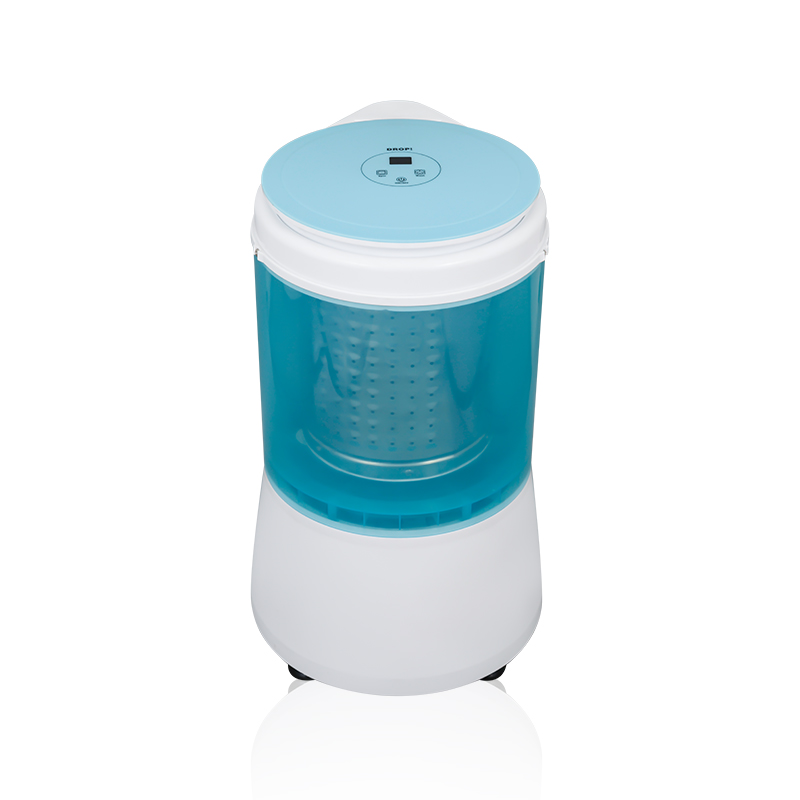

 No.62, Beiyihuan Road, Industry Area Zhangqi Town Cixi Ningbo China.
 13777243189
 +86-13777243189
 +86-0574-63809239