 English
 中文简体
中文简体 Español
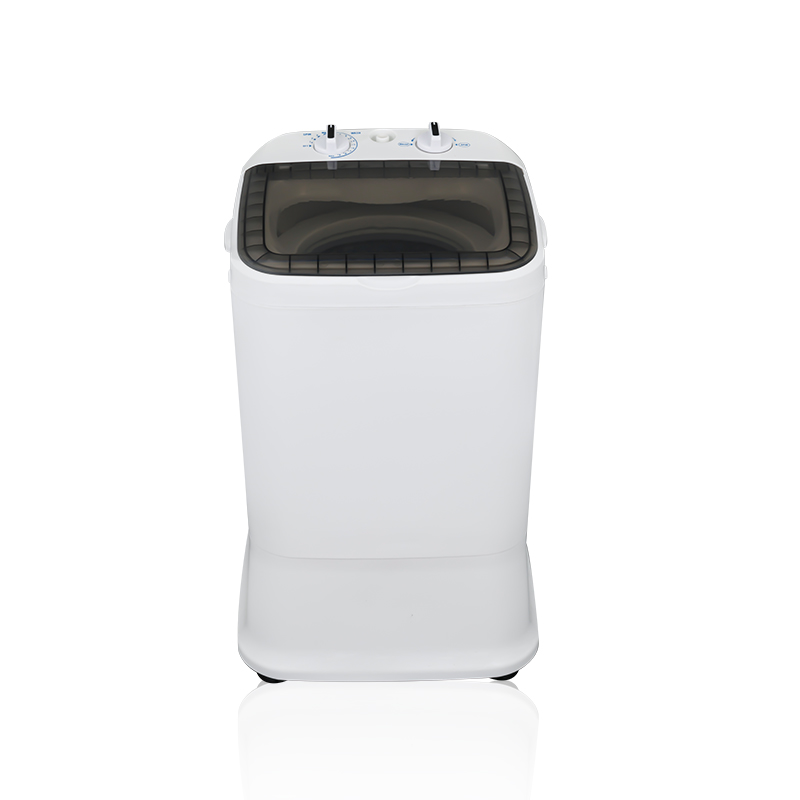
Every laundry room has a dilemma: a pile of garments labeled "hand wash only" and not enough time — or energy — to scrub each one individually. The good news is that understanding your machine's settings and mastering the art of how to hand wash clothes in a washing machine (or by hand when necessary) means you never have to choose between convenience and care.
What Is the Hand Wash Setting on a Washing Machine?
Before diving into technique, it helps to understand what the hand wash on a washing machine cycle actually does. Most modern front-loaders and top-loaders include a cycle labeled "Hand Wash," "Delicates," or "Gentle." These settings are engineered to replicate the soft, rhythmic motions used when you wash clothes by hand in a basin.
Specifically, the hand wash cycle on a washing machine typically features:
- Very slow drum rotation speed — usually under 40 RPM, compared to 60–80 RPM on a normal cycle
- Cool or lukewarm water temperatures — often 30°C (86°F) or below
- Reduced spin speed — typically 400–600 RPM at most, preventing fiber stress
- Shorter total cycle time — usually 15 to 30 minutes
- Increased water volume — garments are soaked rather than aggressively tumbled
Understanding what is hand wash on washing machine programs means you can trust the machine to handle hand wash garments correctly — as long as you load it properly and choose the right detergent.
Hand Wash Clothes: When to Use the Machine vs. True Hand Washing
Not all "hand wash only" labels mean the same thing. Some garments are labeled conservatively by manufacturers to reduce liability, while others — like vintage lace, beaded embroidery, or certain silk blends — genuinely cannot tolerate any mechanical agitation.
| Garment Type | Machine Hand Wash Cycle? | True Hand Wash Recommended? |
|---|---|---|
| Cotton knits (T-shirts, light sweaters) | Yes | Optional |
| Silk blouses (structured) | With mesh bag | Preferred for longevity |
| Wool (machine-washable) | Yes, wool/delicate cycle | Optional |
| Wool (non-machine-washable) | No | Required |
| Lace & embellished garments | Only in sealed mesh bag | Recommended |
| Vintage or antique fabrics | No | Required |
| Swimwear / athletic wear | Yes | Optional |
| Structured blazers / suits | No | Dry clean only |
The key principle: if a garment is labeled "hand wash" and is not embellished, structured, or highly delicate, learning how to machine wash hand wash clothes is both safe and efficient. For everything else, mastering true hand washing technique is the better path.
How to Hand Wash Clothes in a Washing Machine: Step-by-Step
Learning how to hand wash clothes in a washing machine properly takes about five minutes of setup. Here is the complete process:
- Check the care label. Every garment has a care label — look for the hand wash symbol (a bucket with a hand) and note any temperature restrictions. If the label says "do not machine wash," skip the machine entirely.
- Sort your load. Group hand wash garments by color (darks, lights, whites) and fabric weight. Never mix heavy denim with lightweight silk, even on a gentle cycle.
- Use a mesh laundry bag. Place delicate hand wash garments inside a zippered mesh laundry bag before putting them in the drum. This prevents snags, stretching, and strap tangles. For multiple small items (like underwear or socks), use separate bags.
- Select the correct cycle. Choose "Hand Wash," "Delicate," or "Gentle" — whichever your machine offers. If your machine has a wool cycle, it is often a good substitute for extremely fine knitwear.
- Set the water temperature. Cold or cool water (20–30°C / 68–86°F) is best for most hand wash garments. Warm water can cause shrinkage in wool and color bleeding in dark garments.
- Add the right detergent. Use a gentle, liquid detergent specifically formulated for delicates. Measure conservatively — about half the normal dose for a small load. Powder detergents may not dissolve fully in cool water and can leave residue on hand wash garments.
- Set spin speed to low. Many machines let you adjust spin speed independently. Set it to 400 RPM or lower. High-speed spinning (1200+ RPM) can warp delicate fabrics, stretch knits, and stress seams.
- Start the cycle and monitor. The first few times you use the hand wash setting on a new machine, stay nearby. If the drum appears to be agitating more vigorously than expected, pause the cycle and switch to a shorter, cooler setting.
- Remove promptly. Once the cycle finishes, take garments out immediately to prevent creasing and mildew. Gently reshape them while damp.
- Dry flat or hang with care. Most hand wash garments should be laid flat on a clean towel or a drying rack to dry. Avoid hanging knits or heavy fabrics by the shoulders — this causes stretching.
How to Wash Clothes with Hand: The True Hand Washing Method
Despite the convenience of machines, knowing how to hand wash something properly is an essential skill. True handwash clothing technique is gentler than any machine cycle, and it is the only appropriate method for genuinely fragile items.
Here is the complete method for how to hand washing clothes effectively:
Preparing Your Workspace
You need a clean basin, sink, or bathtub. Many people underestimate how much space is needed — a standard kitchen sink is sufficient for individual garments, but a bathtub or large laundry basin works best for multiple pieces or bulkier items. This is where having the right hand wash clothes tools makes a real difference.
Hand Wash Clothes Tools You Should Have
- A clean basin or sink — free of soap residue or cleaning product contamination
- Soft-bristle brush — for gently treating stained areas on sturdy fabrics (not silk)
- Rubber gloves — optional but helpful for protecting your hands during long soaking sessions
- Flat drying rack or clean dry towels — for reshaping and drying
- Mesh laundry bag — useful for organizing multiple small pieces
- Gentle liquid detergent — specifically formulated for delicates or wool
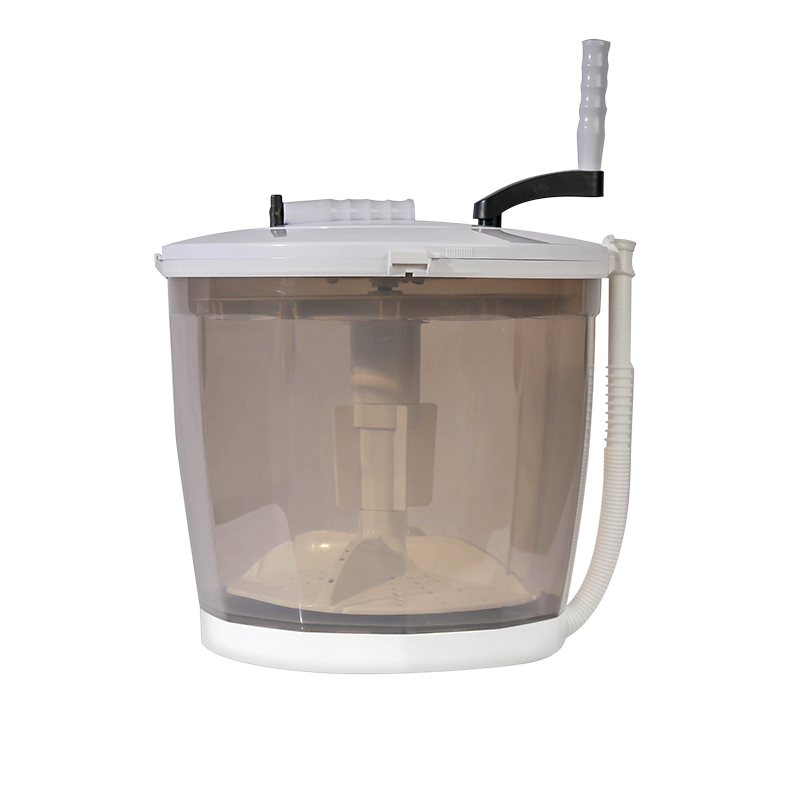
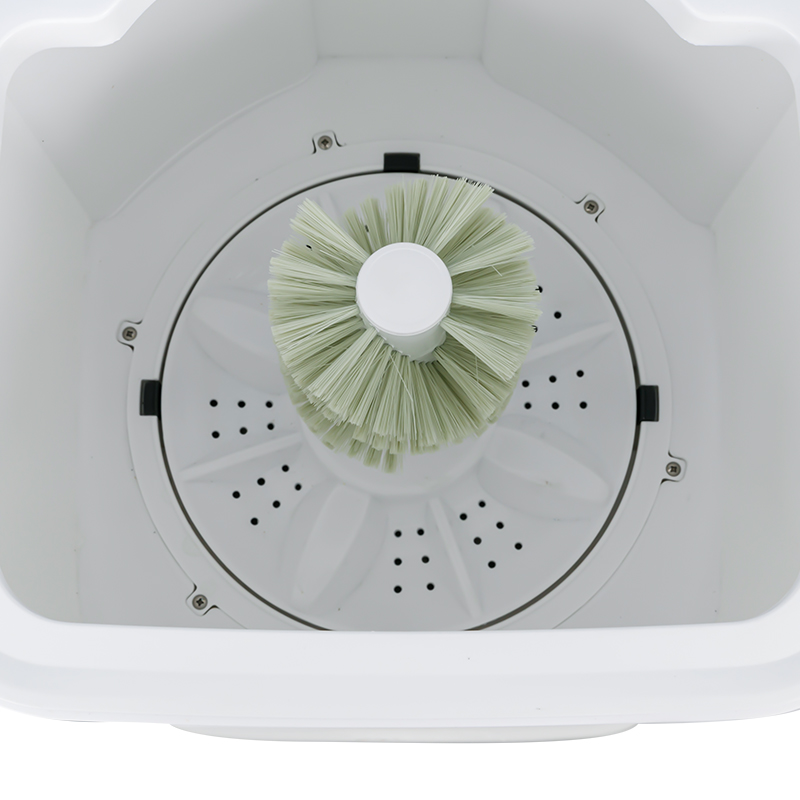
These are the core hand wash clothes tools any home laundry setup should include. You don't need a laundry hand washer device — though portable hand-powered washers are available for travelers — basic tools are sufficient for most situations.
How to Wash Delicate Clothes by Hand: Full Process
- Fill the basin with cool or lukewarm water. For most fabrics, 30°C (86°F) is ideal. For wool and cashmere, use cool water — around 20°C (68°F) — since temperature fluctuations cause felting and shrinkage.
- Add detergent. This is where how to hand wash clothes with detergent technique matters. For a standard basin (about 5–8 liters of water), use approximately 1 teaspoon of liquid delicate detergent. More is not better — excess detergent is difficult to rinse out and leaves residue that stiffens fabric and irritates skin. Swirl the water gently until the detergent dissolves fully before adding the garment.
- Submerge the garment. Place the garment in the soapy water and gently press it down to ensure full saturation. Do not scrunch, twist, or wring at this stage.
- Soak. Allow the garment to soak for the appropriate amount of time. How long to soak clothes when hand washing depends on the soil level and fabric type. For lightly soiled or refreshing purposes: 10–15 minutes. For normally soiled everyday wear: 20–30 minutes. For heavily soiled items on sturdy fabrics: up to 60 minutes. Never soak silk for more than 30 minutes, as prolonged exposure to water weakens the protein fibers.
- Gently agitate. After soaking, use your hands to gently move the garment through the water. For the step in clothes technique when hand washing, the key motion is a gentle squeeze-and-release — not scrubbing or twisting. Work from collar to hem in a slow, consistent rhythm. Focus extra gentle attention on underarm areas, collars, and cuffs.
- Spot treat if needed. For stubborn stains, apply a small amount of detergent directly to the stained area and use your fingertips (or a soft brush for sturdy fabrics) to work it in with circular motions. Let it sit for 5 minutes before continuing.
- Rinse thoroughly. Drain the soapy water and refill the basin with clean cool water. Gently press the garment through the rinse water. Repeat this process two to three times until the water runs completely clear and no suds remain. Incomplete rinsing is one of the most common causes of stiff, scratchy fabric after hand washing.
- Remove excess water. Never wring or twist a delicate garment. Instead, gently press the garment against the side of the basin to push out water. Then lay it flat on a clean dry towel, roll the towel and garment together like a log, and press firmly. The towel absorbs significant moisture without stressing the fabric.
- Reshape and dry. Lay the garment flat on a fresh dry towel or drying rack, reshaping it to its original dimensions while still damp. Allow it to air dry away from direct sunlight and heat sources, which can cause fading and fiber damage.
How to Hand Wash Clothes with Detergent: Choosing the Right Product
The detergent you use when hand washing is arguably as important as the technique itself. Regular laundry detergents — even liquid ones — often contain enzymes, optical brighteners, and surfactants that are too harsh for delicate fabrics. They are formulated to work in machines at higher temperatures, and using them for how to hand washing clothes can damage fabric structure over time.
Best Detergent Types for Hand Washing
| Detergent Type | Best For | Notes |
|---|---|---|
| Delicate / Wool wash liquid | Silk, wool, cashmere, lace | pH-neutral, enzyme-free; rinses cleanly |
| Baby laundry liquid | All delicates, sensitive skin | Very mild; good fallback option |
| Mild dish soap (e.g., Dawn) | Cotton knits, lightly soiled items | Works in a pinch; rinse very thoroughly |
| Castile soap (liquid) | Natural fibers, eco-conscious washing | Plant-based; avoid with hard water |
| Regular powder detergent | Not recommended for hand washing | Doesn't dissolve well in cool water; leaves residue |
Understanding Hand Wash Garments: Fabric-Specific Guidelines
Different fabrics require slightly different approaches when you handwash clothing or use the machine's hand wash setting. Here is a fabric-by-fabric breakdown:
Silk
Silk is a natural protein fiber that is surprisingly resilient when handled correctly. Use cool water, a pH-neutral silk-specific detergent, and gentle squeeze-and-release motions. How long to soak clothes when hand washing silk? No more than 15–20 minutes. Never rub silk against itself — this creates pulls and permanent surface damage. Rinse in multiple cool water baths. To restore silk's natural sheen after washing, add a teaspoon of white vinegar to the final rinse water.
Wool and Cashmere
Wool felts when exposed to temperature changes or aggressive agitation. Always use cool water — consistent temperature throughout wash and rinse is critical. A dedicated wool wash detergent (like Woolite or Eucalan) is ideal because it conditions fibers rather than stripping them. Cashmere is even more delicate than standard wool and should always be hand washed, never put through even a delicate machine cycle. When you wash clothes by hand for wool, handle it as little as possible during the wash; most of the cleaning happens during the soak phase.
Cotton and Linen
These sturdy natural fibers tolerate more agitation and can be washed at higher temperatures than silk or wool. They are the easiest fabrics for practicing how to wash clothes with hand technique. However, colored cotton can still bleed, so always wash new brightly colored cotton items separately the first few times.
Synthetic Delicates (Polyester, Nylon, Rayon)
Synthetic fabrics labeled "hand wash" are often structured or embellished in ways that make machine washing risky (beading, lining mismatches, etc.). The fabrics themselves wash easily in cool water with gentle detergent. Rayon in particular is weak when wet, so handle it especially carefully and never wring it.
Common Mistakes When You Hand Wash Clothes (And How to Avoid Them)
Even experienced washers make these errors. Recognizing them is the first step to consistently better results when you handwash clothing:
- Using too much detergent. Over-sudsing is the #1 hand washing mistake. The excess soap stays in the fabric, makes it stiff, and attracts more soil. One teaspoon per basin is almost always enough.
- Skipping the pre-soak. Most of the cleaning in hand washing happens during the soak phase, not the agitation phase. Skipping the soak means scrubbing harder — which damages fibers.
- Not rinsing enough. Rinse until the water is completely clear with zero suds. Two rinse cycles minimum; three for heavily soaped loads.
- Wringing to remove water. Twisting and wringing stresses every fiber and permanently distorts the garment's shape. Always press and roll in a towel instead.
- Using hot water on delicates. As covered above, heat is the enemy of silk, wool, and dyed fabrics. When uncertain, default to the coolest water you can comfortably work with.
- Mixing incompatible garments. Washing a red item with a white one — even in cool water — risks color transfer. Keep darks, lights, and whites separated even when hand washing.
- Hanging knits to dry. Gravity pulls wet, heavy knitwear down into a misshapen mess. Always dry flat.
How to Machine Wash Hand Wash Clothes Safely: Advanced Tips
For those who rely on their machines for how to machine wash hand wash clothes on a regular basis, these advanced techniques will help you get the best results while extending the life of delicate garments:
Use Cold Water Exclusively
Even if your machine's hand wash setting defaults to warm, override it to cold. Cold water reduces color bleeding by approximately 70% compared to warm, and it prevents the thermal stress that causes natural fibers to shrink.
Turn Garments Inside Out
Reversing garments before washing protects the outer surface — especially printed graphics, embroidery, and decorative elements — from friction against the drum and other clothing items.
Reduce Detergent by 30–50%
Machine hand wash cycles use more water than standard cycles, meaning detergent concentrates less. Many people over-soap their delicate loads without realizing it. A conservative dose produces cleaner, residue-free results.
Add a Rinse Cycle
If your machine allows it, add an extra rinse cycle after the hand wash cycle completes. This is especially useful for items that will be worn directly against skin, like lingerie, base layers, and swimwear.
Use Fabric Softener Sparingly
Fabric softener can clog the natural fibers of wool and reduce the moisture-wicking properties of athletic wear. For most hand wash garments, skip it entirely. If you want to soften fabrics naturally, add half a cup of white vinegar to the rinse compartment instead.
The Washing Machine Hand Cycle vs. Hand Washing: Which Cleans Better?
This is a question many people wonder about, and the answer is nuanced. In terms of removing surface soil and light stains, the washing machine hand cycle and true hand washing are comparable — provided you follow correct technique for each. The machine has the advantage of consistency; it applies the same gentle agitation without the risk of you accidentally being too rough. True hand washing, however, allows for more precise targeting of stained areas and eliminates all mechanical contact with the fabric entirely.
Research comparing the two methods suggests:
- For light soil and refreshing: Machine hand wash cycle wins on convenience with equal results
- For stained areas: Hand washing allows targeted treatment, giving it an edge
- For fabric longevity: True hand washing causes the least cumulative fiber stress over many washes
- For heavily soiled items: Neither method is ideal — a normal machine cycle at appropriate temperature for the fabric performs better
In practice, most people find a hybrid approach most effective: pre-treat any stains by hand, then use the machine's hand wash setting for the main wash. This combines the precision of handwash clothing care with the consistency of machine washing.
Traveling and Hand Washing Without a Machine
Knowing how to hand wash something when traveling — in a hotel sink, Airbnb bathroom, or hostel laundry area — is a genuinely useful life skill. The core technique is identical to home hand washing, but with a few adaptations:
- Use a travel-size laundry soap bar or sheet — these dissolve completely in cool water and take up virtually no luggage space
- Plug the sink with a universal drain stopper — hotel sinks often have pop-up drains that don't seal well
- Use the "plastic bag method" for small loads: put water, a few drops of detergent, and the garment in a zip-lock bag, seal it, and gently knead
- Dry on hangers near air conditioning vents — moving air significantly speeds drying time for hand-washed garments
- Roll in a towel first — hotel towels work perfectly to absorb initial moisture before hang-drying
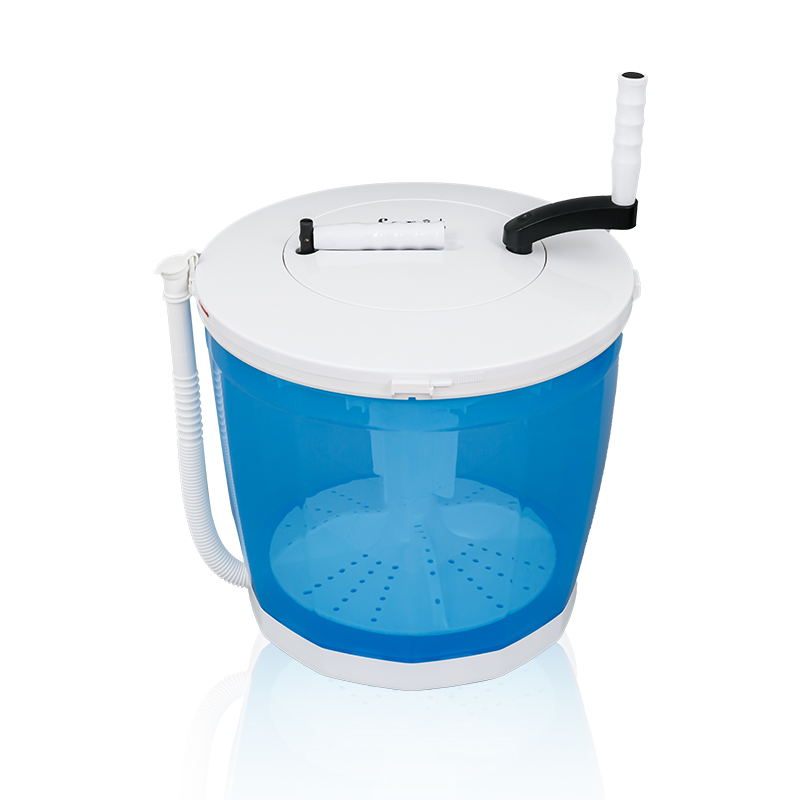
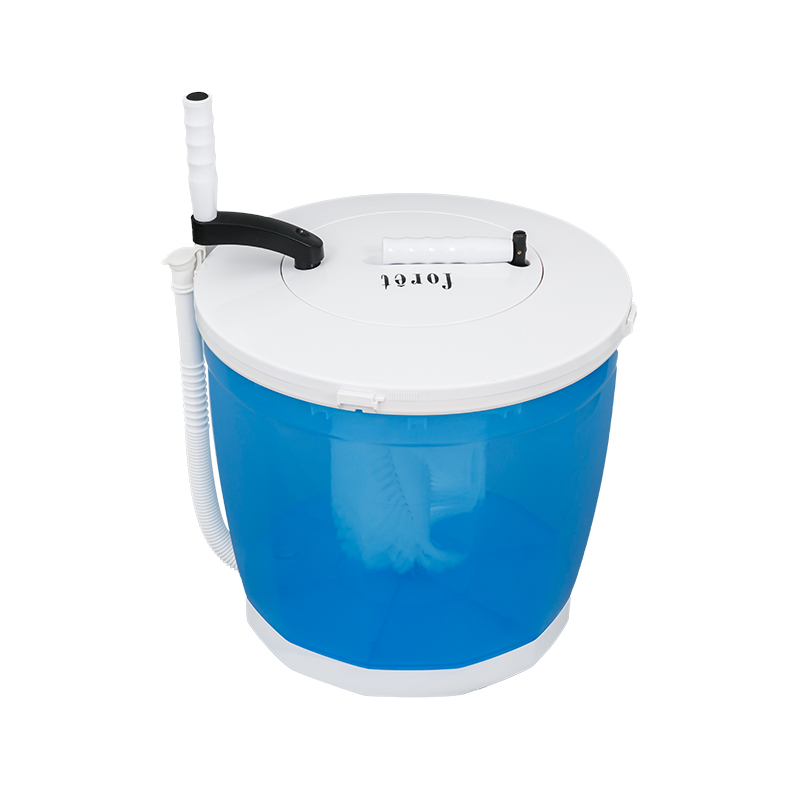
For frequent travelers who hand wash regularly, a portable laundry hand washer — a small hand-cranked or manual device — can be useful for washing multiple items at once without a machine. These devices are inexpensive and available widely online.
Frequently Asked Questions About Hand Washing Clothes
Can hand wash clothes be machine washed?
Yes, in most cases. Garments labeled "hand wash only" can generally be machine washed using a dedicated hand wash or delicate cycle with cold water and low spin speed, placed inside a mesh laundry bag. Exceptions include vintage fabrics, structured garments, beaded or embellished pieces, and items with care labels that explicitly state "do not machine wash."
How long to soak clothes when hand washing?
For most everyday items, 15–30 minutes is ideal. Light soiling needs only 10–15 minutes. Heavily soiled cotton or linen can soak up to 60 minutes. Silk should not soak for more than 20–30 minutes. Wool and cashmere should soak for 15 minutes maximum, with as little agitation as possible.
What is the best step in clothes hand washing sequence?
The optimal sequence is: fill basin → add detergent and dissolve → submerge garment → soak → gently agitate → spot treat if needed → drain → rinse (2–3 times) → press out water in rolled towel → reshape → dry flat. Skipping any step — particularly the rinse phase — noticeably reduces results.
What detergent is best for hand washing?
A pH-neutral liquid detergent designed for delicates or wool is best. Brands like Woolite, Eucalan, The Laundress Delicate Wash, or any baby laundry liquid are good choices. Avoid powder detergents and regular enzyme-based detergents for hand washing delicate items.
Can I use a laundry hand washer device instead of my hands?
Yes — portable hand washer devices (manual or hand-cranked) are a good option for those who hand wash frequently or travel regularly. They provide consistent gentle agitation without the fatigue of manual scrubbing. They are most useful for small loads of 2–4 garments at a time.
What is the hand wash symbol on clothing labels?
The hand wash symbol is a small bucket or tub of water with a hand above it. Sometimes it includes a temperature number (like 30 or 40) indicating the maximum water temperature. If you see this symbol, the garment needs either true hand washing or the machine's hand wash cycle, not a regular machine cycle.
Building a Complete Hand Washing Routine
Rather than treating hand washing as an occasional chore, building it into a regular routine makes the process much less daunting. Here is a practical weekly system for managing hand wash garments efficiently:
- Collect hand wash items in a separate small basket — don't mix them with the regular laundry pile where they might accidentally go through a hot cycle
- Batch wash once or twice a week — doing 4–6 items at once is far more efficient than washing one item at a time
- Use a dedicated hand wash basin — a large bowl or small plastic tub reserved solely for laundry keeps the process organized
- Keep detergent, mesh bags, and drying tools together — having everything in one place removes friction from the process
- Dry on a dedicated rack — a foldable drying rack near a window (not in direct sun) is the ideal setup for most hand-wash garments
For households with a mix of machine-washable and hand wash garments, a hybrid approach works best: machine wash the regular load, then hand wash or machine hand-cycle the delicates separately. This takes an extra 15–30 minutes but dramatically extends the life of your most valued clothing items.
Final Thoughts: Mastering Clothes Care for the Long Term
The ability to properly hand wash clothes — whether truly by hand or intelligently using your washing machine's hand wash cycle — is one of the most practical skills in everyday garment care. Clothes last significantly longer, retain their shape and color better, and look more expensive when washed with appropriate techniques.
The core principles are simple: use the gentlest effective method, choose the right detergent, control water temperature, handle wet fabrics carefully, and always dry appropriately. Whether you are learning how to wash delicate clothes by hand for the first time, looking to optimize how to machine wash hand wash clothes for busy weeknights, or troubleshooting why your wool sweater keeps shrinking — the answers are all about respecting what the fabric actually needs.
Start with one or two delicate items and practice the technique described here. Within a few washes, the process becomes second nature, and you will notice immediately that your hand wash garments look better, feel softer, and last far longer than they did before.