English
 中文简体
中文简体 Español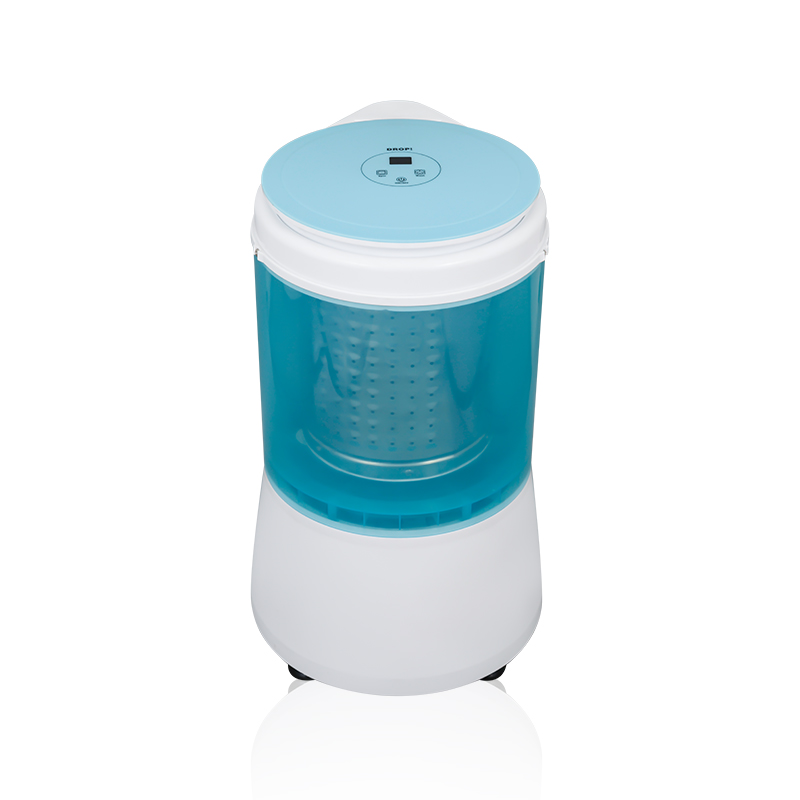
No.62, Beiyihuan Road, Industry Area Zhangqi Town Cixi Ningbo China.
Phone:+86-13777243189

CALL OR SEND E-MAIL
No.62, Beiyihuan Road, Industry Area Zhangqi Town Cixi Ningbo China.
Phone:+86-13777243189
Content
Quick Answer: A portable hand washing machine works by using manual or low-powered mechanical agitation — typically through a hand-cranked drum, plunger mechanism, or compact motorized spinner — to simulate the tumbling and friction of a full-size washer. Water and detergent are added directly to the unit, clothing is agitated for several minutes, then rinsed and spin-dried. The result is genuinely clean laundry using a fraction of the water and zero permanent installation.
Before diving into mechanics, it helps to understand what problem a portable hand washing machine is actually solving. Standard home washing machines weigh 150–200 lbs, require permanent plumbing connections, consume 15–45 gallons of water per cycle, and draw 500–1,500 watts of electricity. For many living situations — apartments without hookups, off-grid cabins, travel, camping, dormitories, or simply reducing utility bills — that's an impractical solution.
A portable hand washing machine addresses this gap by offering a compact, low-cost, low-resource alternative. It is not a replacement for a full-size machine in every scenario, but for small loads of 1–5 items, delicate fabrics, or off-grid laundry needs, it performs the same core function: mechanically agitating fabric in soapy water to dislodge dirt, oils, and odor-causing bacteria.
The concept of the handing washing machine has existed in various forms for over a century — from washboards to hand-cranked drum washers — but modern versions are compact, purpose-designed, and available at price points ranging from $10 to $150. Understanding what is hand wash in the mechanical context means recognizing that the physics are the same whether the agitation comes from your hands, a plunger, or a small motor: friction plus detergent plus water equals clean fabric.
To understand how a portable hand washing machine works, you first need to understand the cleaning mechanism that all washing machines — portable or full-size — rely on. Laundry cleaning is governed by four interacting factors, often called the TACT principle:
A full-size washing machine optimizes all four factors simultaneously with high agitation speeds, temperature control, and precise timing. A portable hand washing machine compensates for lower agitation intensity by extending wash time slightly and relying on the user to apply consistent manual effort — or in motorized versions, a small battery-powered or plug-in motor that runs a compact drum or impeller.
There is no single design for a portable hand washing machine. The market offers several distinct mechanisms, each with different strengths, limitations, and ideal use cases. Understanding these differences is essential before choosing a laundry hand washer that fits your actual needs.
The simplest and most affordable type. A plunger-style laundry hand washer looks like a toilet plunger with a perforated or cone-shaped head. You fill a bucket or basin with water and detergent, submerge the clothing, and pump the plunger up and down repeatedly. Each pump forces water through the fabric at pressure, replicating the effect of agitation.
Typical wash time: 3–5 minutes of active pumping per cycle. Water use: 1–3 gallons per load. Capacity: 1–3 garments per cycle. Cost: $8–$20. Best for travelers, backpackers, and anyone needing a no-power, minimal-weight laundry solution. The Breathing Washer and Laundry POD are popular examples of this design.
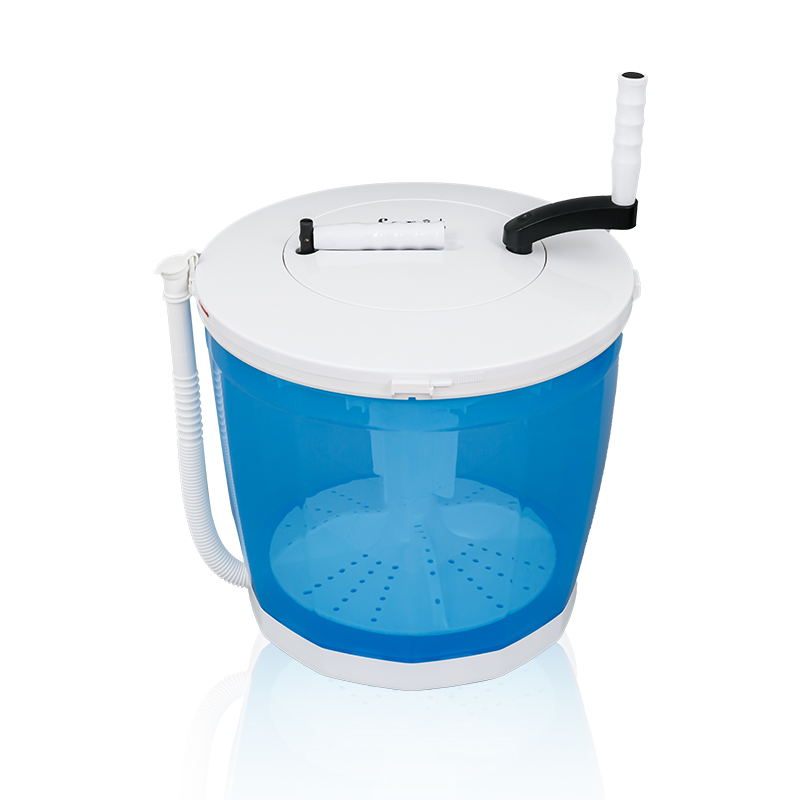
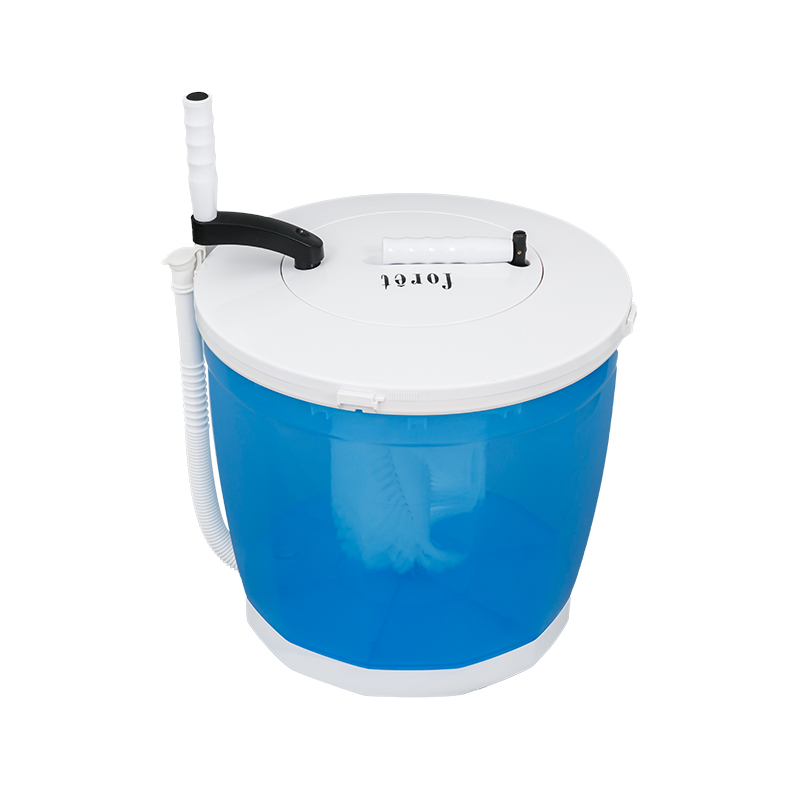
These resemble miniature versions of traditional top-load or front-load washers. A sealed drum holds water, detergent, and clothing. Turning the external hand crank rotates the drum, tumbling the clothes through the soapy water. Many models include a separate spin compartment for wringing out water after washing.
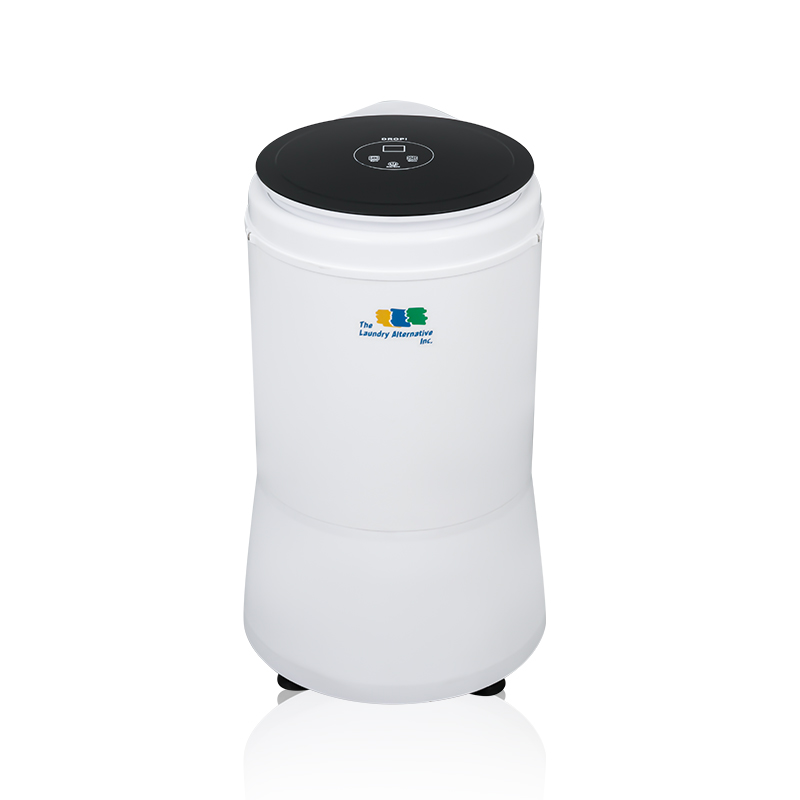
Typical wash time: 5–8 minutes of cranking. Water use: 2–5 gallons. Capacity: 5–8 lbs of laundry. Cost: $40–$100. The WonderWash and Laundry Alternative Mini Countertop Washer are well-known examples. This type is particularly well-suited for those who want to wash hand wash clothes regularly without relying on a full machine or laundromat.
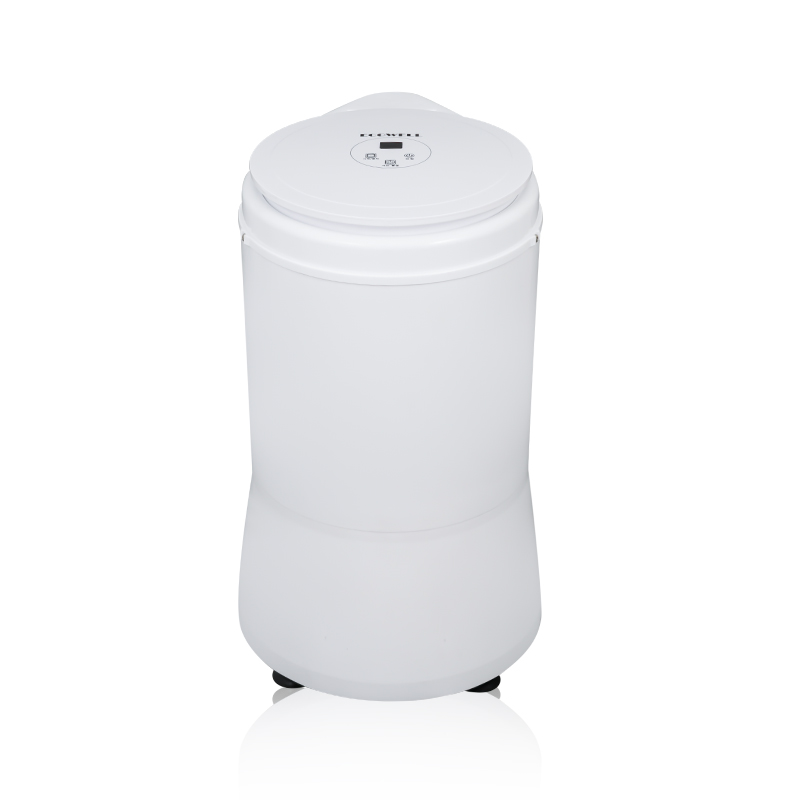
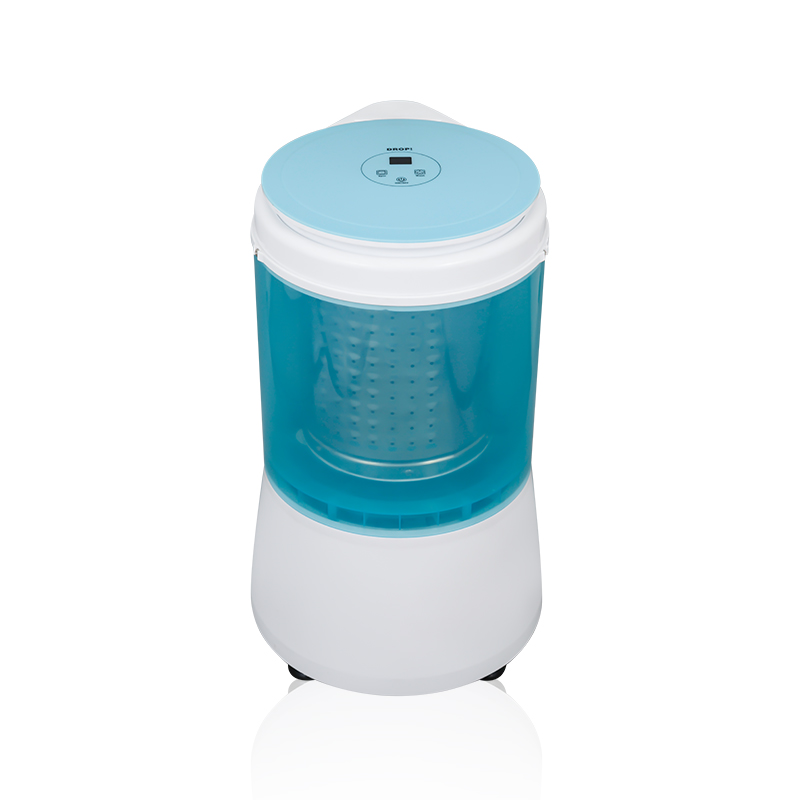
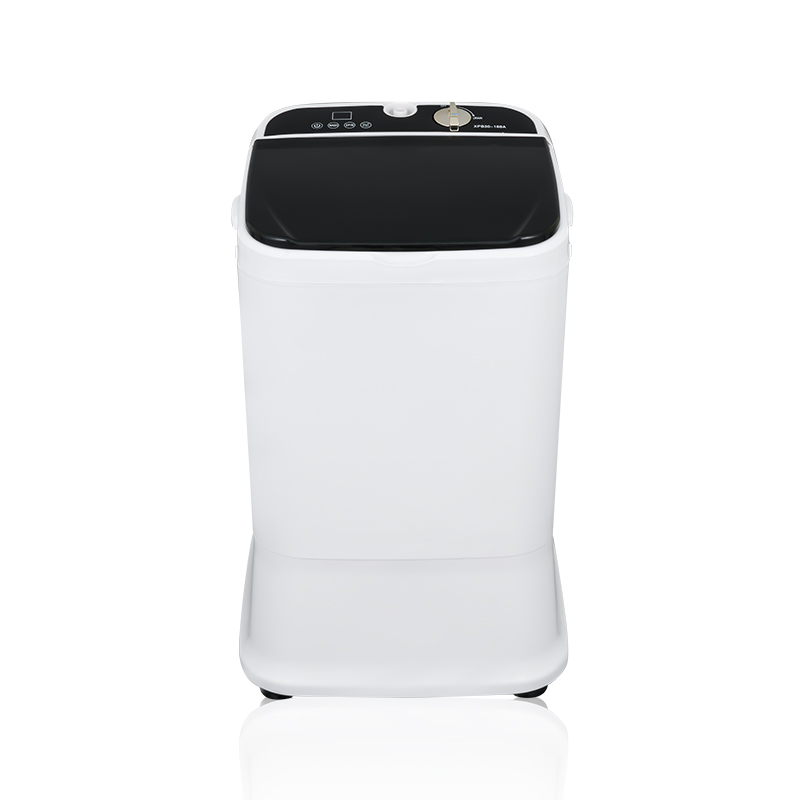
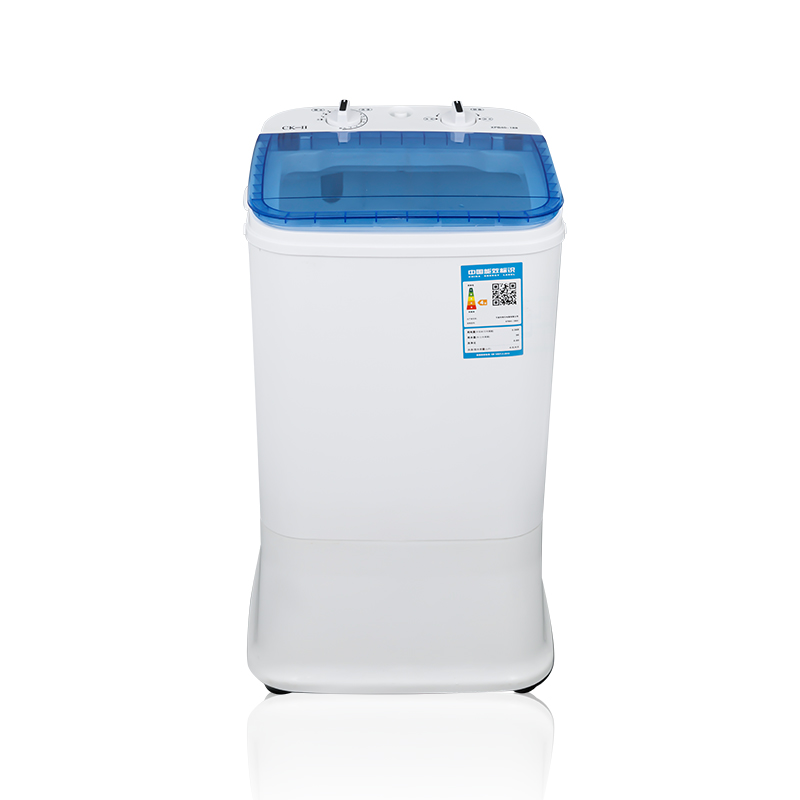
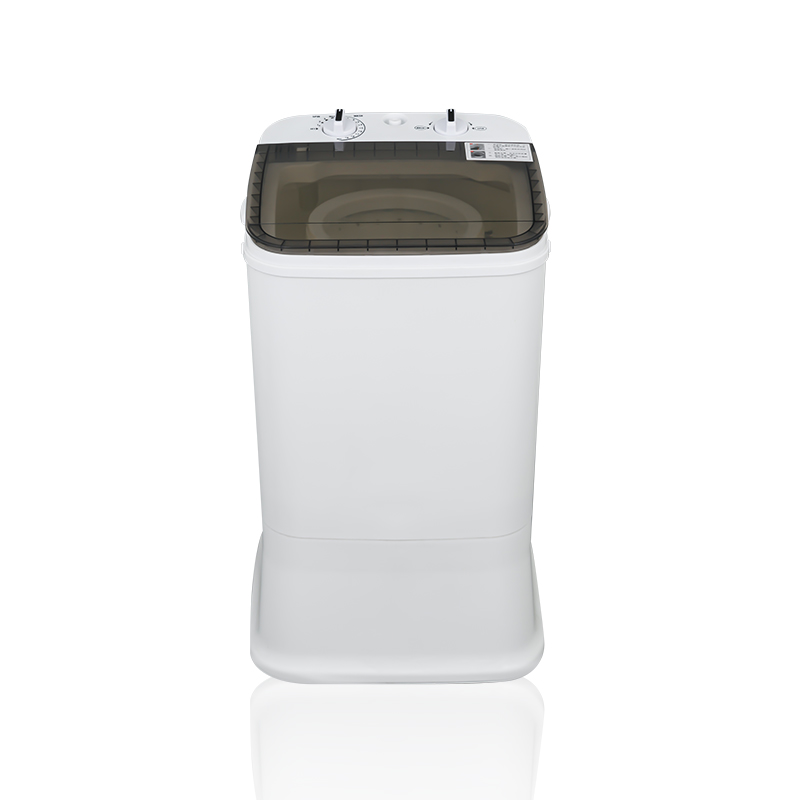
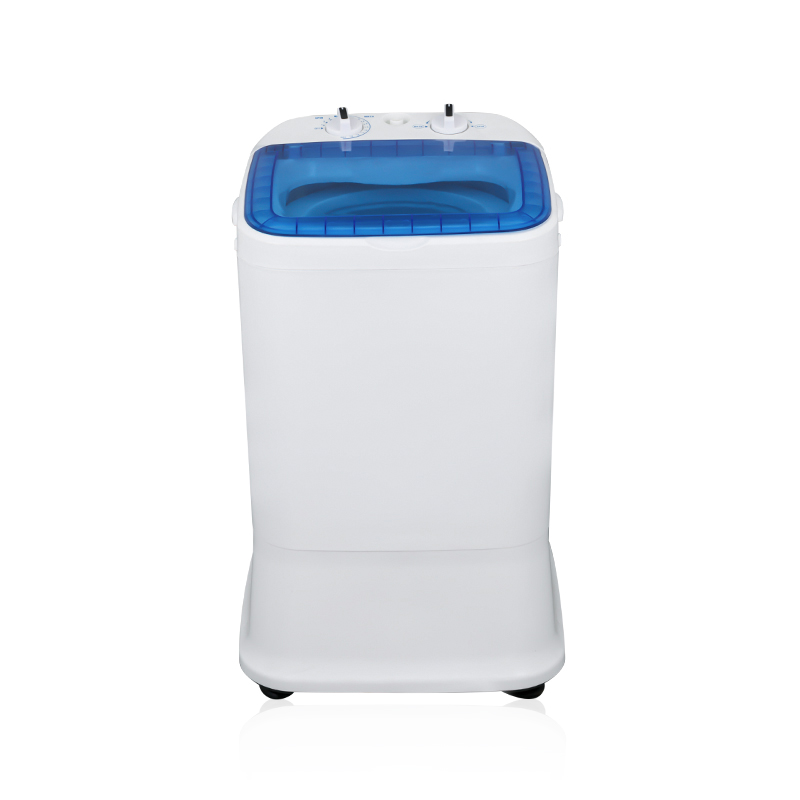
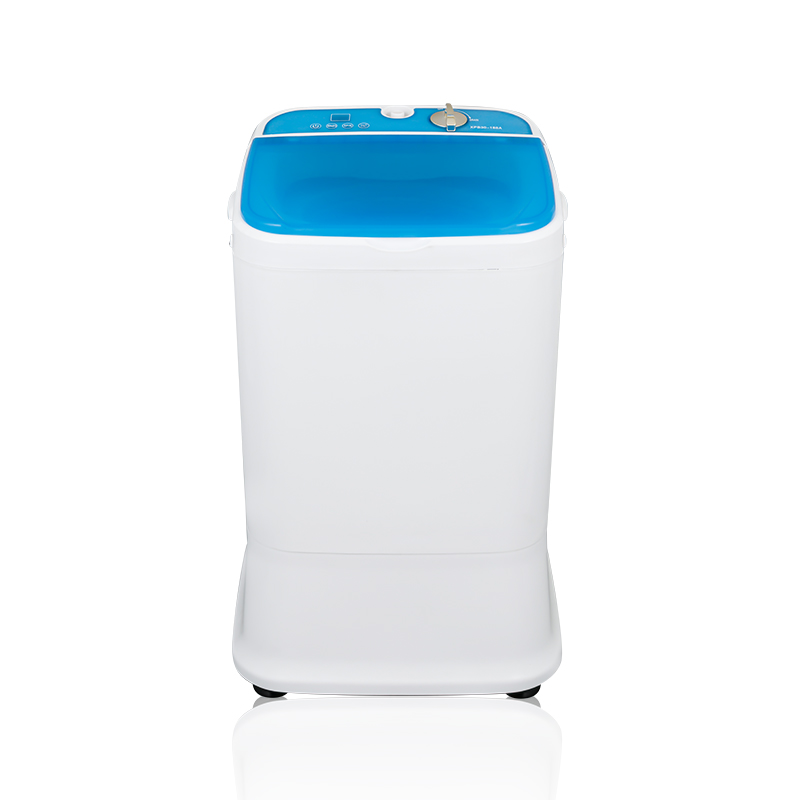
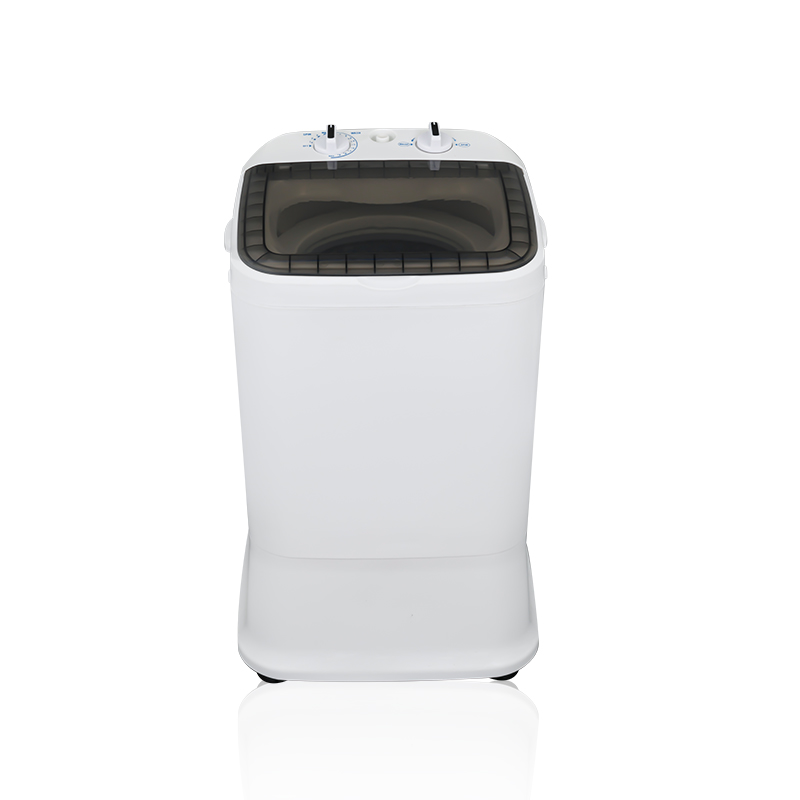
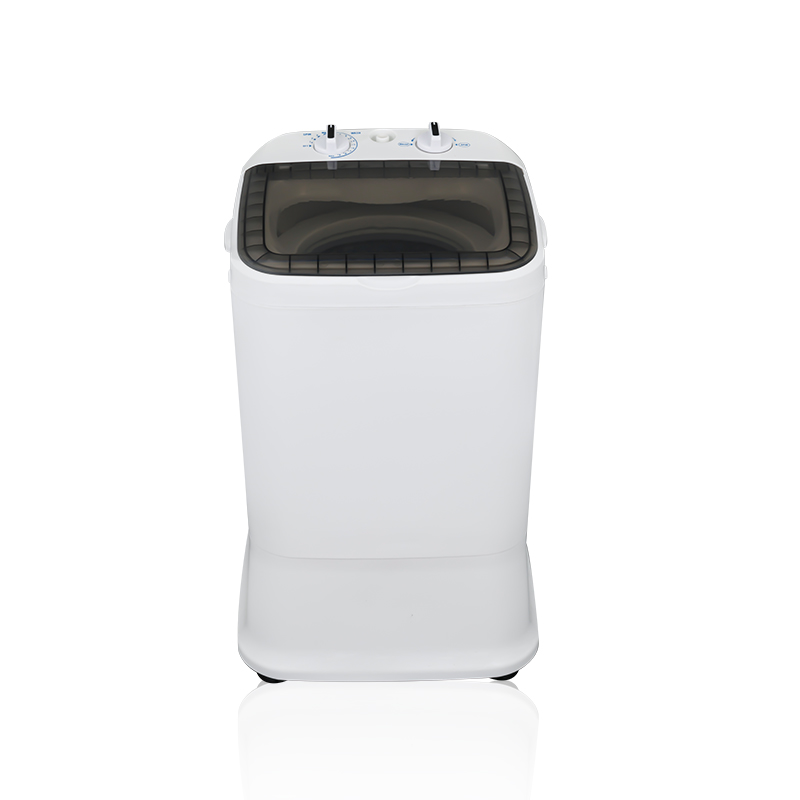
These units use a small electric motor — either battery-powered or plug-in — to drive an impeller or agitator inside a compact basin or drum. They require minimal user effort during the wash cycle, functioning much like a miniature top-load washing machine. Most include a separate spin-dry compartment that removes 60–80% of moisture from clothing before hang-drying.
Typical wash time: 10–15 minutes automated. Water use: 3–10 gallons. Capacity: 5–15 lbs depending on model. Power draw: 100–400 watts. Cost: $60–$150. Examples include the COMFEE' 1.0 cu. ft. Portable Washer and the BLACK+DECKER BPWM09W. This category is the closest functional equivalent to a full-size machine for apartment dwellers without washer hookups.
A newer and more specialized category. Ultrasonic portable washers use high-frequency sound waves (typically 40,000 Hz) transmitted through water to create microscopic cavitation bubbles. When these bubbles collapse near fabric fibers, they generate tiny jets of energy that dislodge dirt and oil at a microscopic level — without any mechanical agitation.
Best for: delicate fabrics, jewelry, and items that cannot withstand any physical agitation. Limitations: effective only on light soiling; not suitable for heavily soiled work clothes or large items. Cost: $20–$60. Brands like Sonic Soak are commonly marketed for travel use. This type is particularly relevant when you need to hand wash delicate clothes that cannot tolerate even gentle mechanical action.
| Type | Power Required | Capacity | Best For | Price Range |
|---|---|---|---|---|
| Plunger-Style | None (manual) | 1–3 items | Travel, backpacking | $8–$20 |
| Hand-Crank Drum | None (manual) | 5–8 lbs | Off-grid, regular home use | $40–$100 |
| Compact Electric | 100–400W | 5–15 lbs | Apartments, daily use | $60–$150 |
| Ultrasonic | USB / low watt | 1–2 items | Delicates, travel | $20–$60 |
One of the most common questions from new users is whether a portable hand washing machine can handle the same range of fabrics as a full-size washer — and the honest answer is: most of them, with some important exceptions. The key is understanding fabric care labels and matching washing intensity to fabric durability.
The following fabrics handle the agitation of portable washing machines without damage, making them ideal candidates for any type of handing washing machine:
When a garment's care label reads "hand wash only," it means the fabric or construction cannot withstand the aggressive agitation, heat, or spin forces of a standard washing machine cycle. But what is hand wash in practical terms? It means gentle agitation in cool water, no wringing, and careful handling throughout. A portable hand washing machine — particularly a plunger-style or ultrasonic type — often replicates this gentle action better than a full-size machine's "delicate" cycle.
Fabrics labeled for hand wash delicate clothes treatment include:
This is one of the most frequently asked laundry questions — and the answer is more nuanced than a simple yes or no. The question "can you put hand wash clothes in a washing machine?" depends on three factors: the specific fabric, the machine's available settings, and the garment's construction.
The short answer: many "hand wash only" garments can survive a machine wash on the delicate or gentle cycle with cold water — but this comes with real risk. Care labels are legally conservative; manufacturers set them to the most cautious standard to avoid liability. In practice, a lightly structured wool sweater labeled "hand wash only" will often survive a cold, gentle machine cycle without damage. A silk blouse may not.
If you decide to machine-wash garments labeled for hand washing, follow these steps to minimize risk. Knowing how to wash hand wash clothes in machine settings correctly can make the difference between success and a ruined garment:
The related question — can you wash hand wash clothes in the machine using a portable device? — is actually where portable hand washers genuinely shine. A plunger-style or hand-crank drum washer allows you to control agitation intensity manually, making it easier to replicate true hand washing conditions than most full-size machines' "delicate" settings.
Whether you're using a plunger, a drum washer, or a compact electric unit, the fundamental process of how to wash by hand with a portable machine follows a consistent sequence. Here is a complete walkthrough for best results:
Sort garments by color (lights, darks, colors) and by fabric weight. Washing a lightweight silk item alongside heavy denim in a portable drum risks fabric damage from abrasion. Pre-treat visible stains with a small amount of liquid detergent or a dedicated stain remover, working it gently into the fabric with your fingertips. Allow 5–10 minutes for the pre-treatment to penetrate before washing.
Fill the portable washer's basin or drum with the appropriate amount of water. For a standard laundry hand washer drum holding 5–8 lbs of laundry, 1–2 gallons (4–8 liters) of water is typically sufficient. Add a small amount of detergent — roughly half the amount you'd use in a standard machine, as the smaller water volume requires less. Using too much detergent in a portable washer is a common mistake that results in residue left in fabric after rinsing.
Load the garments and begin agitation. For plunger-style washers, pump firmly and consistently — aim for 40–60 pumping strokes over 3–5 minutes for lightly soiled items. For hand-crank drum washers, turn at a moderate pace for 5–8 minutes. For compact electric models, set the timer and allow the machine to complete its programmed cycle (typically 10–15 minutes). Avoid over-filling; clothes need room to move through the water for effective cleaning.
Drain the soapy water completely. Refill with clean cold water and agitate again for 2–3 minutes to rinse out detergent. Rinsing thoroughly is critical — residual detergent left in fabric causes skin irritation, attracts dirt faster, and can degrade fiber quality over repeated washes. For heavily soapy loads, a second rinse cycle is recommended.
Many portable washers include a separate spin-dry compartment. Spinning at even low RPM (400–800 RPM) removes 60–80% of water content from fabric, dramatically reducing drying time compared to wringing by hand (which also risks stretching or distorting fabric). If your portable washer has no spin function, gently press (do not wring) garments between two clean dry towels to absorb excess moisture before hang-drying.
Hang garments on a drying rack, clothesline, or padded hanger. Reshape any stretched items while still damp. Keep knit fabrics (wool, cashmere) flat to dry to prevent gravity-induced stretching. Items washed in a compact electric spin-dry unit typically dry in 2–4 hours indoors in normal room conditions, or 45–90 minutes in direct outdoor airflow.
Many people who need to wash by hand regularly face the same question: is a laundry hand washer device actually better than just using a sink and your hands? The answer depends on volume, physical effort, and cleaning consistency.
| Factor | Traditional Hand Washing (sink) | Portable Hand Washing Machine |
|---|---|---|
| Physical effort | High — repeated scrubbing by hand | Low to moderate — pumping or cranking |
| Cleaning consistency | Variable — depends on technique | More consistent agitation across fabric |
| Water use per load | 2–5 gallons | 1–5 gallons (similar or less) |
| Time per load | 10–20 minutes active work | 3–15 minutes depending on type |
| Fabric safety | Very gentle if done correctly | Gentle to moderate (type dependent) |
| Water temperature control | Full control via tap | Full control — user fills manually |
| Capacity per cycle | 1–3 items realistically | 1–15 lbs depending on type |
For truly delicate single items — a silk scarf, a lace camisole, a cashmere sweater — the traditional handwashed approach in a clean basin remains the safest method. But for regular laundry volumes of 3–10 items at a time, a portable hand washing machine is more thorough, less tiring, and more consistent than repeated manual scrubbing in a sink.
One of the most compelling arguments for a portable hand washing machine — beyond portability — is environmental and financial efficiency. Standard full-size washing machines use 15–45 gallons of water per cycle (older top-loaders at the high end; modern front-loaders closer to 13–15 gallons). Portable washers use a fraction of that.
For a household that does laundry 5 times per week, switching small loads to a portable handing washing machine instead of running a half-full standard washer can save 30–80 gallons of water per week — approximately 1,500–4,000 gallons annually. At average US water rates of $0.005 per gallon, that's $7–$20 in water savings per year, plus proportional energy savings from not heating water and running a large motor.
For context on energy, a standard washing machine draws 500–1,500 watts per cycle. A compact electric portable washer draws 100–400 watts. A manual plunger or hand-crank model draws zero. Over a year of regular use, this difference represents 25–80 kWh of saved electricity per small load avoided on the standard machine — meaningful for both utility bills and carbon footprint.
A portable hand washing machine is not the right tool for every household — but it is the right tool for a surprisingly broad range of situations. Here are the use cases where a laundry hand washer delivers clear, practical value:
In cities like New York, San Francisco, and London, a large percentage of rental apartments have no in-unit laundry and charge $3–$6 per laundromat cycle. A compact electric portable washer on a bathroom counter or kitchen counter, draining into a sink, can handle daily laundry needs for 1–2 people without any permanent installation. The break-even point versus laundromat costs is typically reached within 3–4 months of regular use at a $100 purchase price.
Carrying a plunger-style washer or collapsible portable drum weighing under 1 lb means never paying hotel laundry rates ($3–$8 per garment) or hunting for a laundromat in an unfamiliar city. On a 2-week international trip with daily garment washing, a portable washer can save $50–$150 in laundry costs. This is why a plunger-style laundry hand washer has become standard kit for long-term travelers and backpackers.
Anyone with a wardrobe containing significant amounts of wool, silk, cashmere, or other fabrics requiring care to hand wash delicate clothes will benefit from a dedicated gentle-wash device. Running these items through a full-size machine on a "delicate" cycle multiple times per week risks cumulative damage. A portable washer used specifically for delicates — with cold water and minimal agitation — extends garment life significantly.
For van dwellers, cabin residents, tiny home owners, and anyone living off-grid or with limited water supply, a manual handing washing machine requires no electricity, minimal water, and can be operated anywhere with a bucket. The environmental and practical benefits align directly with off-grid living principles.
When a full-size washer breaks down, when water supply is limited, or during extended power outages, a manual portable washer provides an immediate backup solution. A $15 plunger-style unit stored in a closet has saved many households from laundry crises during appliance repair wait times of 1–2 weeks.
A balanced assessment requires acknowledging what portable hand washing machines do not do well. Setting realistic expectations prevents disappointment and ensures you choose the right tool for your actual needs.
Detergent choice matters more in a portable hand washing machine than in a full-size machine, because the smaller water volume amplifies both the benefits and problems of your detergent selection. The wrong detergent leaves residue, creates excessive foam, or damages delicate fibers.
A portable hand washing machine is a simple device, but a few maintenance habits extend its lifespan considerably and ensure consistent cleaning performance over time.
With basic care, a quality hand-crank drum washer lasts 5–10 years of regular use. Compact electric models have a typical lifespan of 3–7 years with normal use. Plunger-style units are the most durable, with some lasting indefinitely as there are no mechanical components to fail.
A portable hand washing machine is worth it for a clearly defined set of users and use cases. It is not a universal replacement for a full-size washer — but for solo travelers, apartment dwellers, people who regularly need to hand wash delicate clothes, and anyone seeking a lower-resource laundry option, it delivers genuine practical value at a fraction of the cost.
The key takeaways from this guide:
Whether you're looking to simplify travel laundry, protect your most delicate garments, reduce utility costs, or prepare for off-grid living, a portable hand washing machine is one of the most practical, underrated tools in the modern laundry toolkit. Once you understand how it works — and match it to the right laundry tasks — it becomes an indispensable part of how you manage clothing care.
 No.62, Beiyihuan Road, Industry Area Zhangqi Town Cixi Ningbo China.
 13777243189
 +86-13777243189
 +86-0574-63809239
Copyright © Ningbo Changle Electric Appliance Co., Ltd. All Rights Reserved.