English
 中文简体
中文简体 Español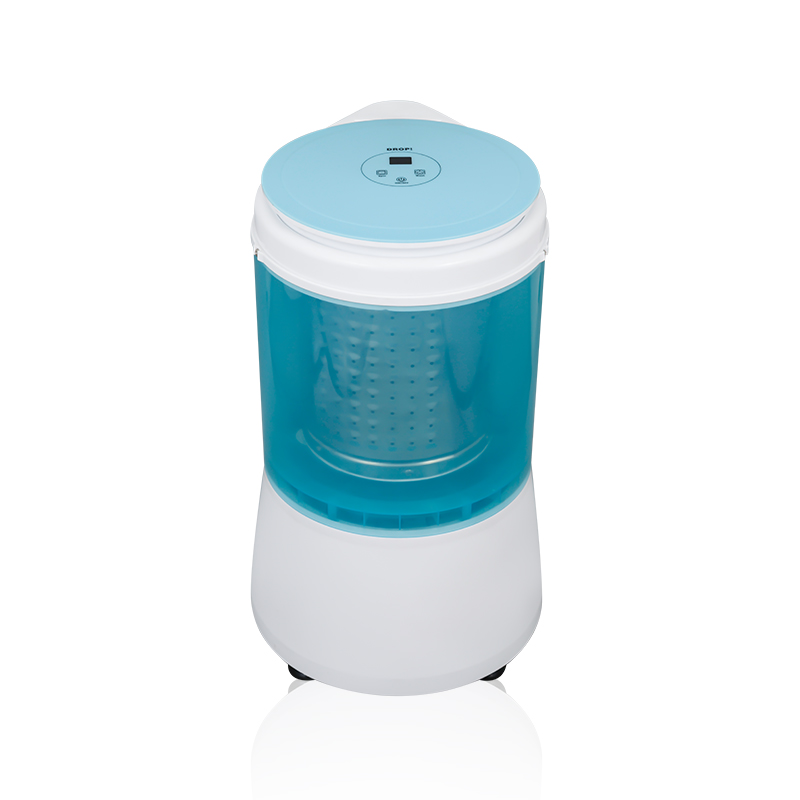
No.62, Beiyihuan Road, Industry Area Zhangqi Town Cixi Ningbo China.
Phone:+86-13777243189

CALL OR SEND E-MAIL
No.62, Beiyihuan Road, Industry Area Zhangqi Town Cixi Ningbo China.
Phone:+86-13777243189
Content
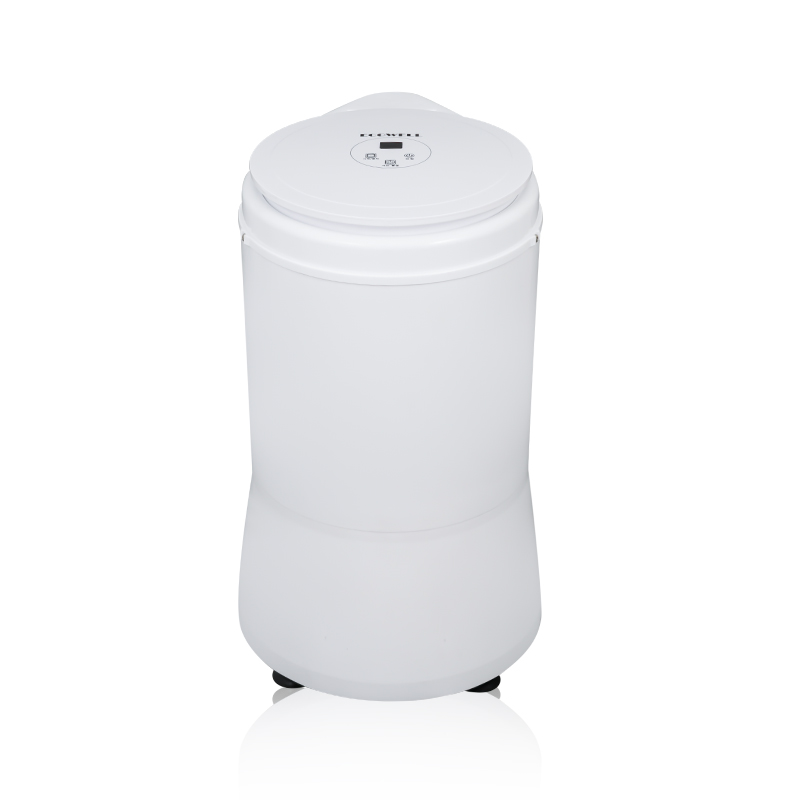
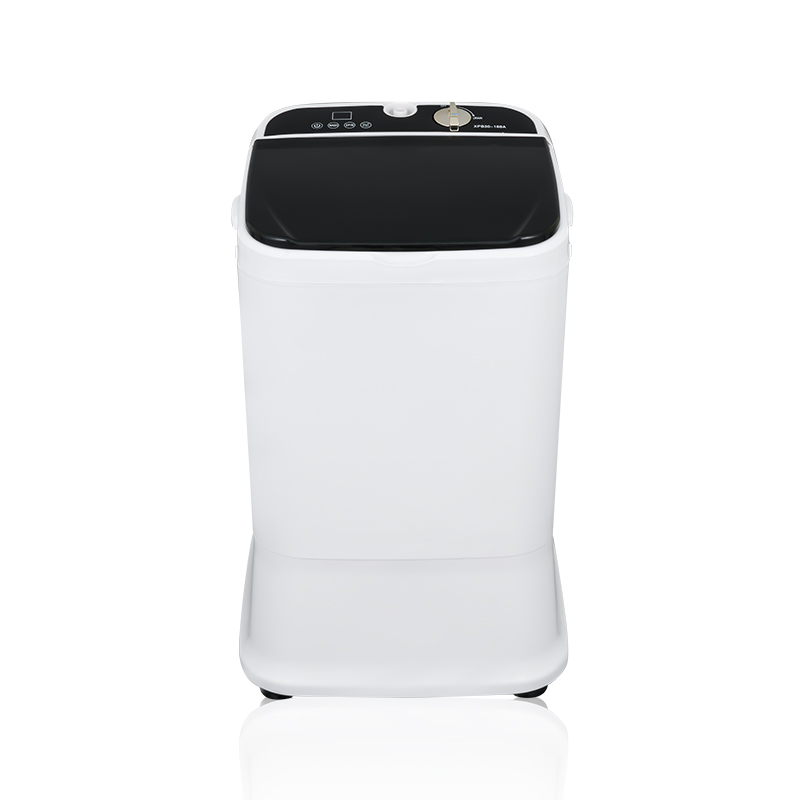
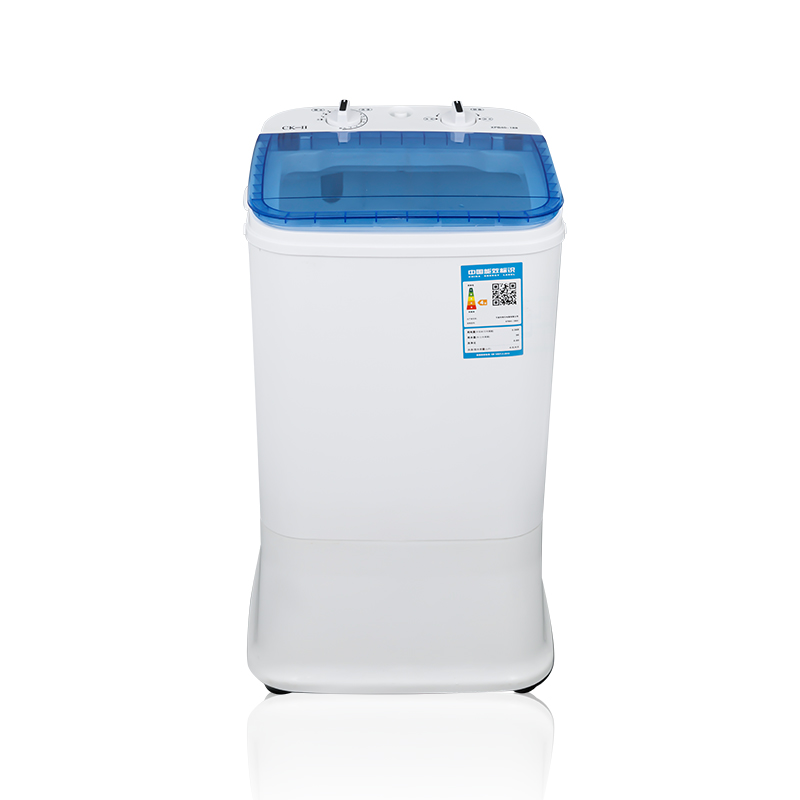
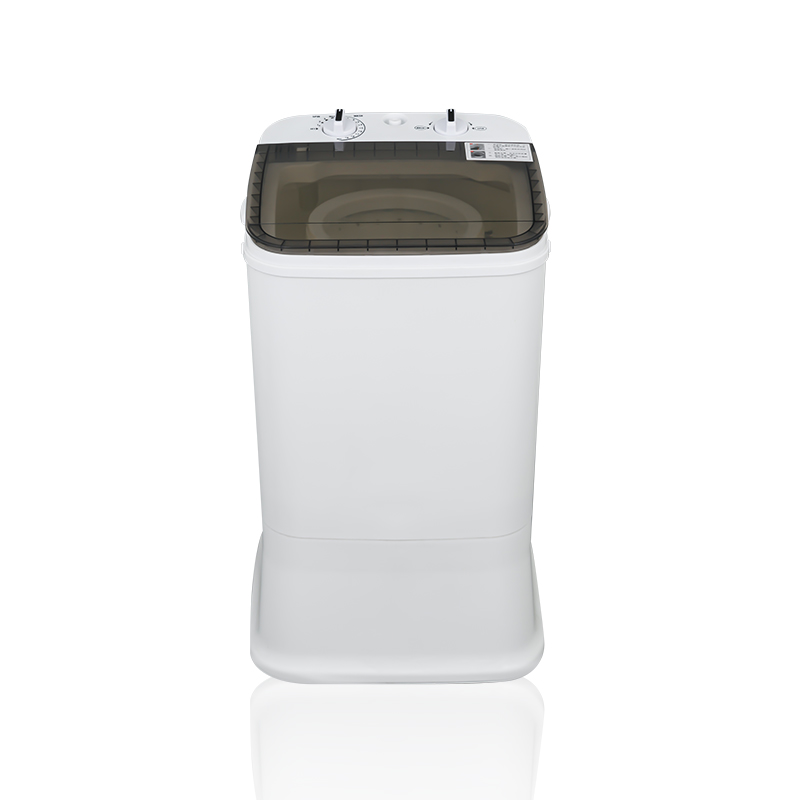
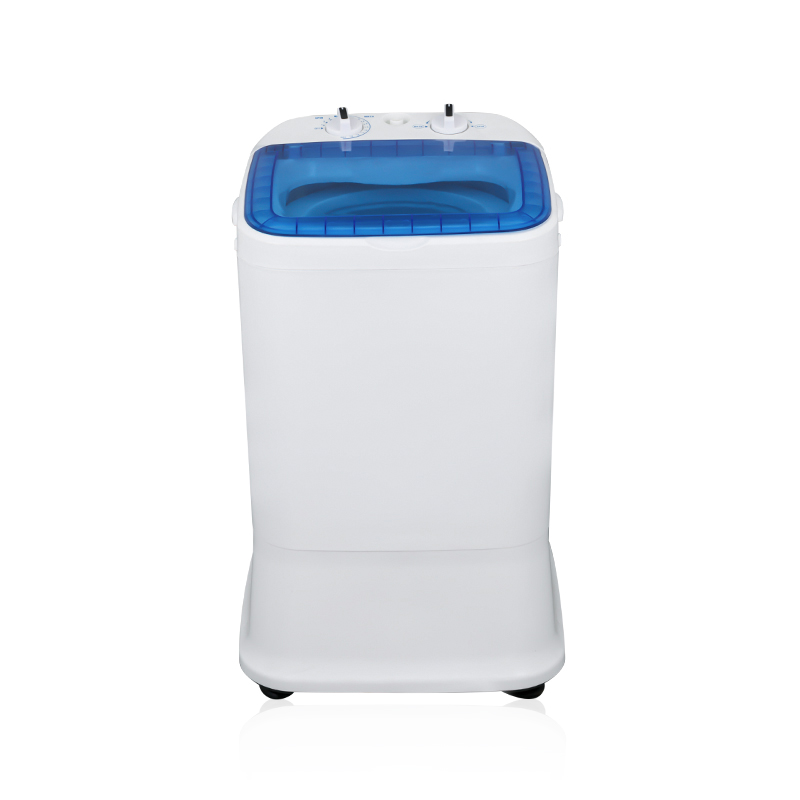
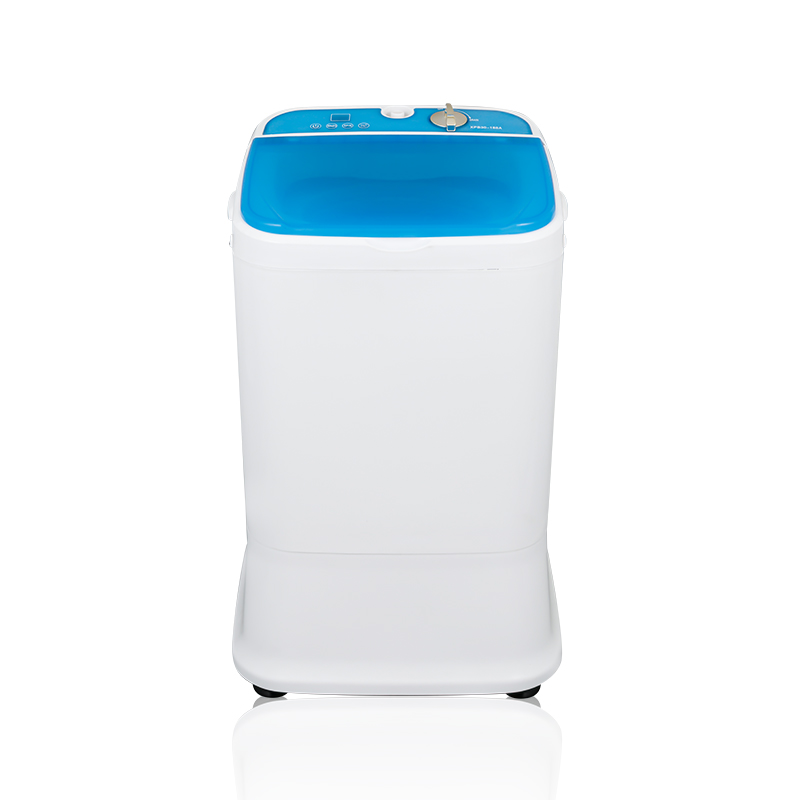
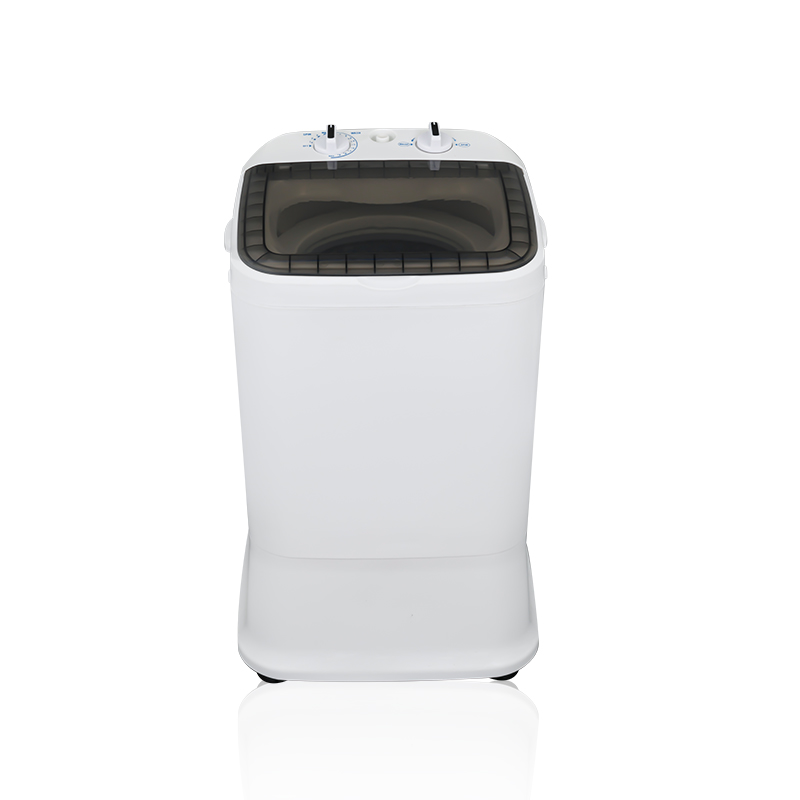
For the average university student, laundry is far more than a simple weekly chore; it is a logistical, financial, and time-consuming hurdle. Between the soaring costs of campus laundromats—where a single drying cycle can cost as much as a meal—and the sheer inconvenience of lugging heavy laundry bags across a sprawling campus, students are often left searching for a better way. Furthermore, the lack of square footage in traditional dormitories or shared apartments makes the use of large, foldable drying racks nearly impossible. This is where the Mini Countertop Spin Dryer enters the conversation as a disruptive solution.
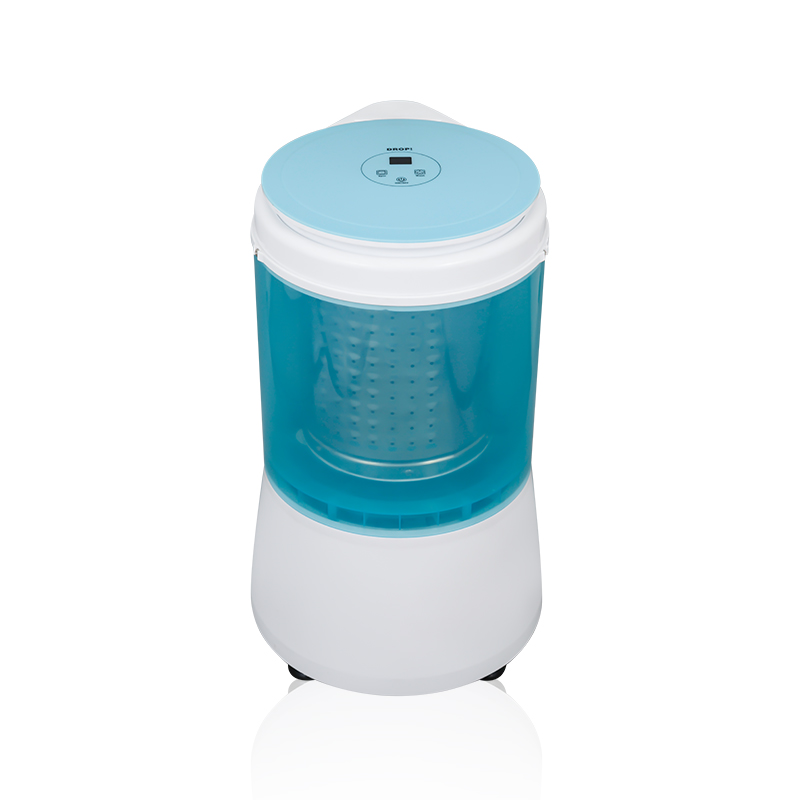
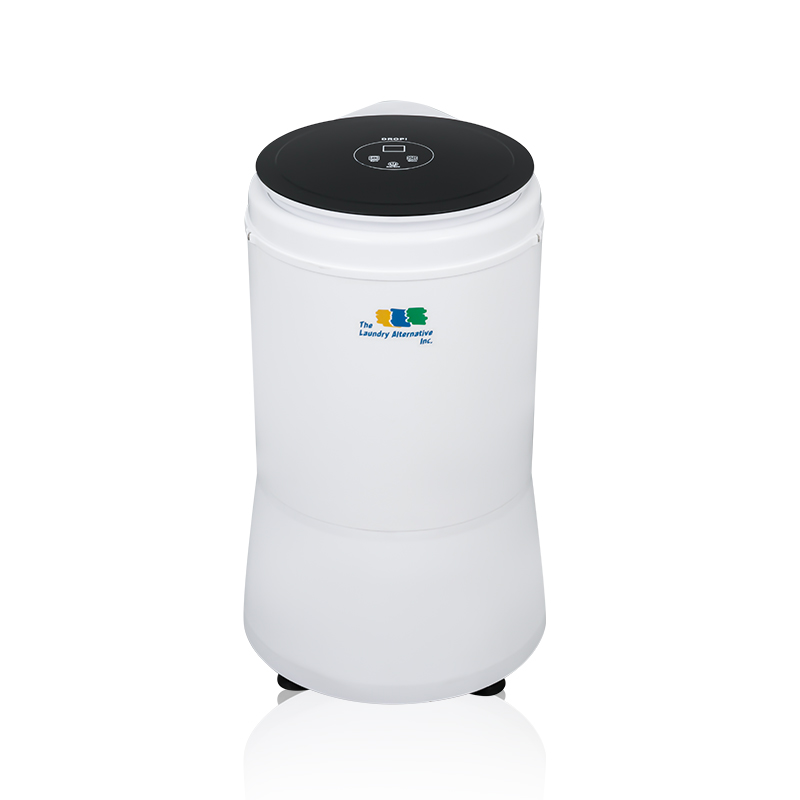
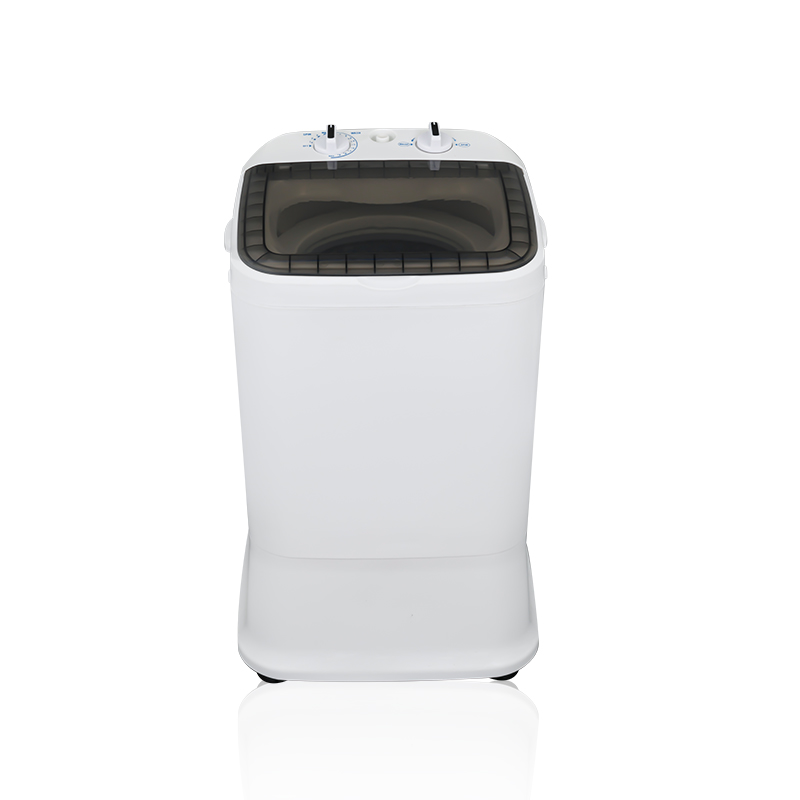
Space is the most valuable currency in student housing. Traditional tumble dryers are non-existent in individual rooms, and air-drying heavy wet clothes on a rack can take up to 48 hours in humid conditions, often leading to a “musty” smell and damp walls. A compact countertop spin dryer is engineered specifically for these spatial constraints. With a footprint often no larger than a premium coffee maker, it can sit comfortably on a desk, a small kitchenette counter, or even inside a shower cubicle when not in action. By removing over 90% of the water from fabric fibers in just 3 to 5 minutes, it drastically reduces the final air-drying time to under an hour, allowing students to reclaim their living space almost immediately.
Shared laundry facilities are notorious for being less than hygienic. From pet dander and lint left by previous users to the potential buildup of bacteria in damp, high-traffic machines, communal washers and dryers aren’t always ideal for intimate apparel or delicate gym wear. By utilizing a personal portable spin dryer, students can ensure that their most sensitive items—such as facial towels, undergarments, and high-performance activewear—never come into contact with public machinery. This provides a level of sanitation and personal care that is simply unattainable in a dormitory basement.
A common misconception among first-time buyers is that a spin dryer is a smaller version of a standard tumble dryer. However, the technology is fundamentally different. While a tumble dryer uses electric heating elements to evaporate moisture, the Mini Countertop Spin Dryer utilizes massive centrifugal force. By spinning at high speeds—often between 2,800 and 3,200 RPM—the machine physically pulls the water out of the fabric through a perforated drum.
In a student’s busy academic schedule, time is the most limited resource. Waiting two hours for a public dryer—or discovering that all units are currently occupied—is a major productivity killer.
| Feature | Mini Countertop Spin Dryer | Campus Tumble Dryer | Traditional Air Drying |
|---|---|---|---|
| Drying Time | 3-5 min spin + 45 min air | 45 - 60 minutes | 12 - 36 hours |
| Initial Cost | $70 - $130 (One-time) | $2.00 - $3.50 per load | $0 |
| Space Required | Minimal (Countertop) | Large / Communal | Large (Bulky Racks) |
| Fabric Safety | High (No Heat) | Low (Heat/Friction) | High |
| Energy Use | Low (Centrifugal) | Very High (Thermal) | Zero |
| Sanitation | Private / Clean | Public / Variable | Private |
For a student, every dollar counts, and an upfront purchase must justify itself through long-term utility. While the initial price tag of an electric mini spin dryer might seem like a luxury, a quick calculation of the Return on Investment (ROI) reveals it to be a highly pragmatic financial decision.
In 2026, the average cost of a commercial drying cycle in a university setting ranges from $2.00 to $3.50. If a student does just two loads of laundry per week, they are spending approximately $160 to $280 per academic year just on the dryer.
Students are essentially “nomadic,” moving from dorms to summer internships and then into shared apartments. The lightweight nature of a portable laundry appliance is a major asset here. Most units weigh less than 15 lbs and feature integrated carrying handles. This ensures that the investment follows the student wherever they go, providing consistent value regardless of the laundry facilities available at their next residence.
The Mini Countertop Spin Dryer is not merely for t-shirts and socks; its specialized performance makes it a “secret weapon” for specific lifestyles that traditional laundry setups fail to accommodate.
For those involved in daily athletics or gym routines, the volume of sweaty laundry can become unmanageable. Letting damp gym clothes sit in a hamper for a week leads to permanent odors and bacterial growth. With a mini spin dryer, an athlete can hand-wash their kit in a sink immediately after a workout, spin it for 3 minutes, and have it fresh and ready for the next morning’s practice. This allows for a smaller, more efficient wardrobe of high-performance gear.
We have all faced the “laundry emergency”—realizing the outfit you need for a big presentation or a social event is dirty or wet just an hour before you need to leave. A quick hand-wash followed by a high-speed spin cycle can get a garment from wet to wearable in record time. This “emergency utility” makes the countertop spin dryer a lifesaver for the unpredictable and fast-paced nature of college life, providing a level of independence that communal machines simply cannot offer.
Does a mini spin dryer get clothes 100% dry?
No. Because it does not use heat, it cannot evaporate the final remnants of moisture. However, it removes enough water that clothes feel only slightly damp to the touch, requiring a very short period of air-drying compared to dripping wet clothes.
Is it safe to use in a dorm room?
Yes. Most units are designed with low-wattage motors that won’t trip a standard circuit breaker. They are also relatively quiet, producing a low hum similar to a modern dishwasher.
Can it handle heavy fabrics like denim jeans?
Yes, but balance is key. Because the drum spins at high RPMs, you should balance a heavy pair of jeans with other items to prevent the machine from vibrating or “walking” across the counter.
Where does the drained water go?
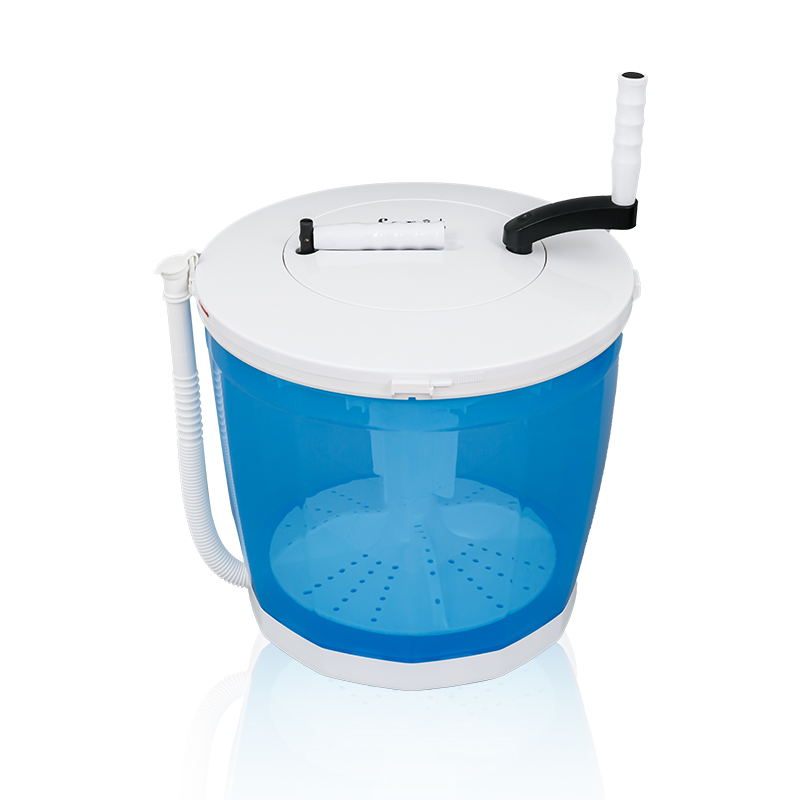
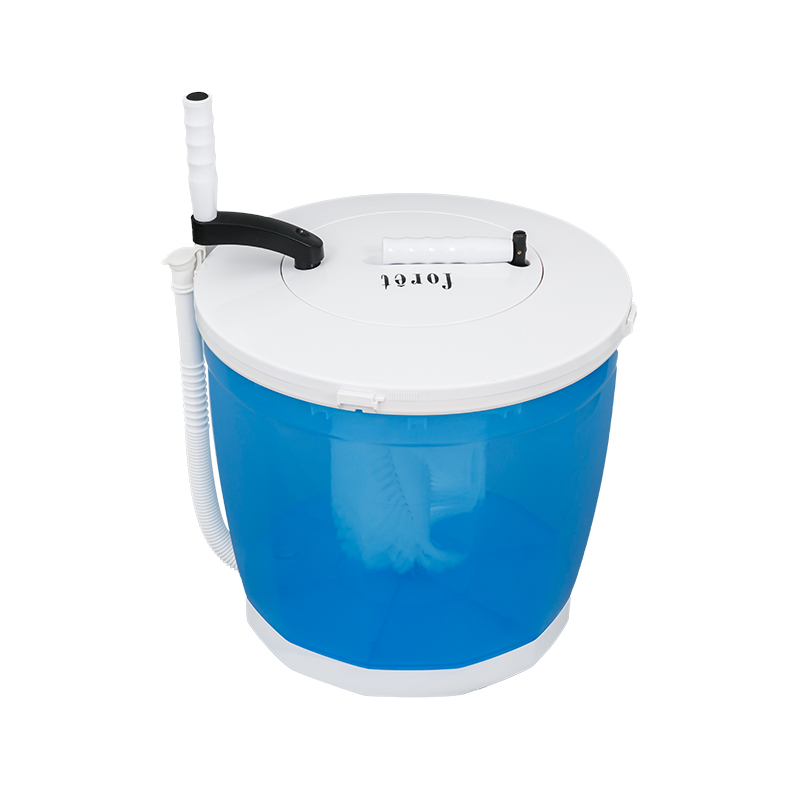
Most units feature a gravity-drain hose. You simply place the unit next to a sink or use a small bucket to catch the water as it is forced out of the laundry.
 No.62, Beiyihuan Road, Industry Area Zhangqi Town Cixi Ningbo China.
 13777243189
 +86-13777243189
 +86-0574-63809239
Copyright © Ningbo Changle Electric Appliance Co., Ltd. All Rights Reserved.