English
 中文简体
中文简体 Español
No.62, Beiyihuan Road, Industry Area Zhangqi Town Cixi Ningbo China.
Phone:+86-13777243189

CALL OR SEND E-MAIL
No.62, Beiyihuan Road, Industry Area Zhangqi Town Cixi Ningbo China.
Phone:+86-13777243189
Content
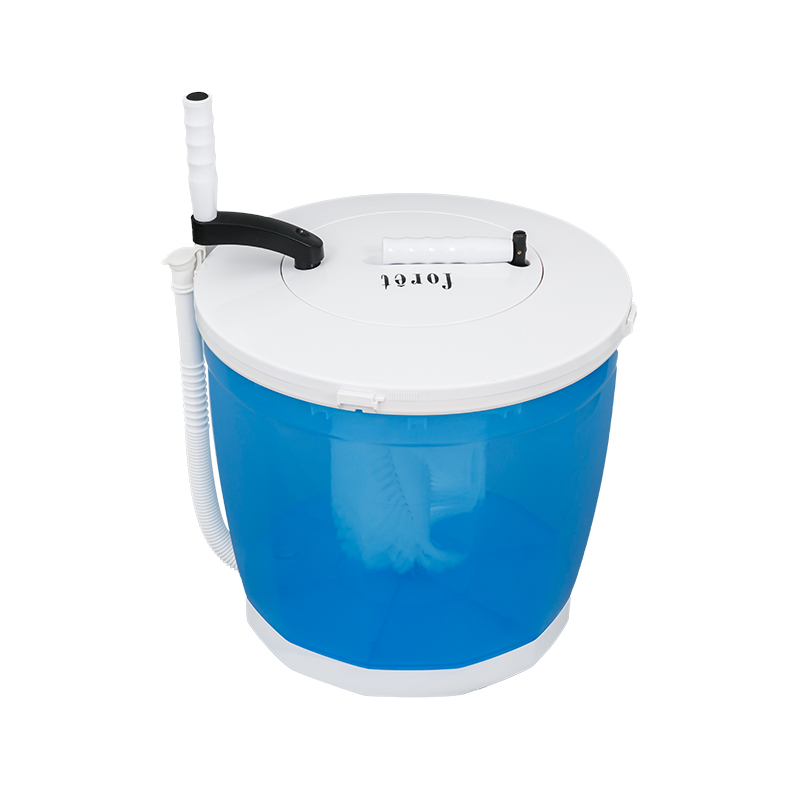
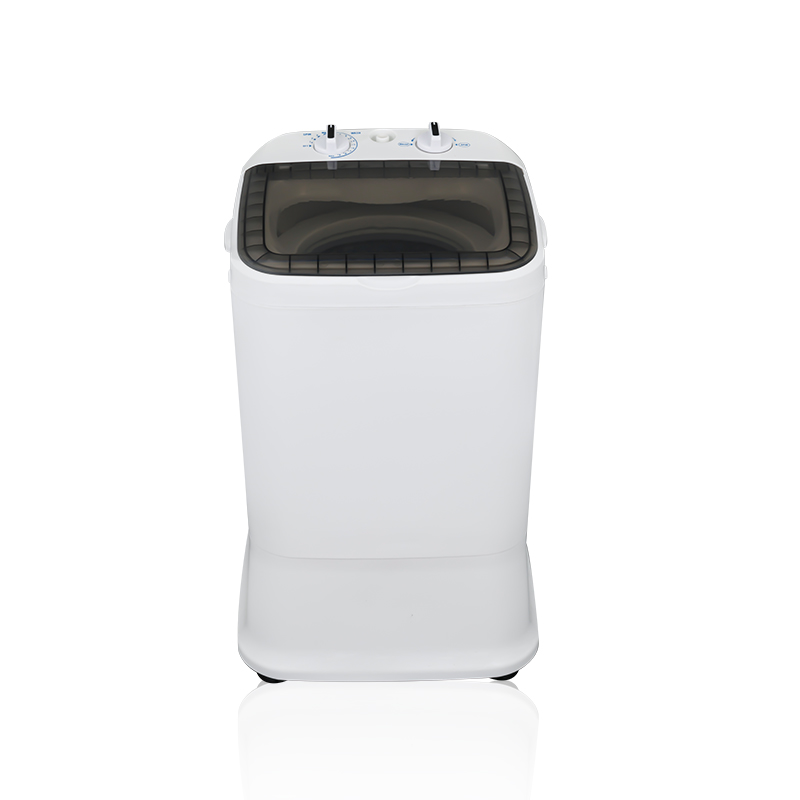
In the growing movement toward sustainable living and off-grid exploration, Manual Washing Machines have emerged as a high-efficiency alternative to traditional electric washers. However, because these machines rely on human-powered agitation rather than pre-programmed cycles, the risk of fabric damage—such as stretching, pilling, or tearing—is higher if the operator uses improper techniques. Properly utilizing a manual washer requires a blend of mechanical understanding and fabric care knowledge.
The secret to avoiding fabric damage in Manual Washing Machines starts long before you turn the crank. Because these units typically have smaller drums and more focused agitation points, “prep work” is essential for preventing friction-related wear. In current search trends, “how to protect clothes in small washers” is a frequent long-tail keyword, indicating that users are highly concerned about textile safety in compact devices.
Mixing heavy denim with delicate synthetics is the most common mistake in manual laundering.
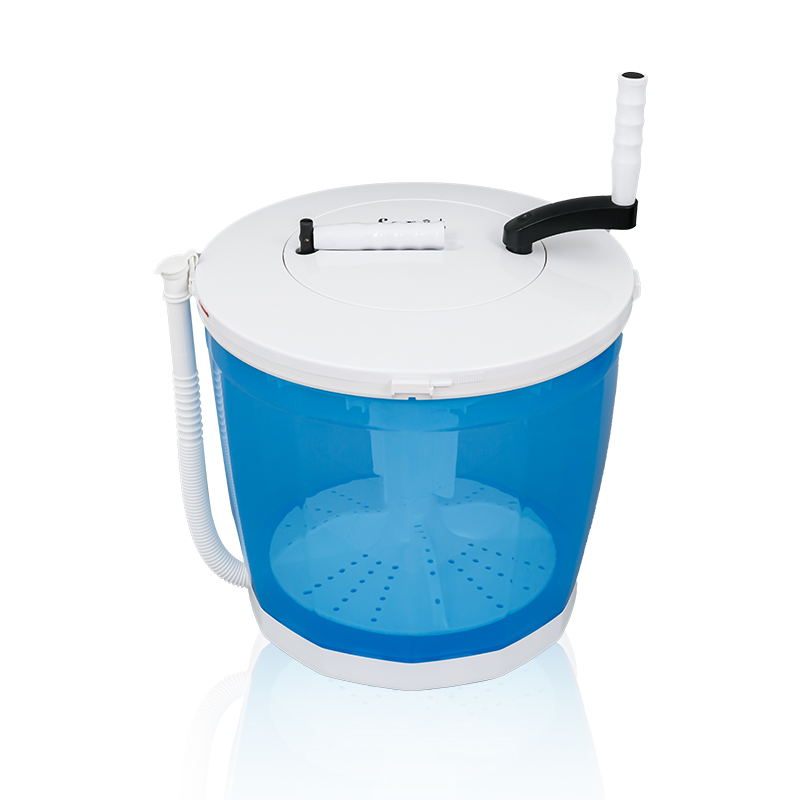
Manual machines often use a central agitator or a pressurized drum design. During rapid directional changes, exposed zippers, hooks, or decorative elements can easily snag other clothes, causing tears.
The defining feature of Manual Washing Machines is that you are the motor. While it is tempting to crank as fast as possible to save time, uncontrolled high-speed agitation is a primary cause of mechanical fiber stress. Understanding the balance between fluid dynamics and fabric tension is the hallmark of advanced manual washing.
The goal of a manual washer is to create a vortex that moves water through the fabric rather than simply slamming the fabric against the machine walls.
Overloading is the fastest way to damage both your manual washer and your clothes.
To help users optimize their washing cycles, the following table provides recommended parameters for manual operation. These data points are based on fiber degradation studies in manual washing environments.
| Fabric Type | Recommended Agitation Speed | Recommended Duration | Water Temp | Recommended Detergent |
|---|---|---|---|---|
| Heavy Denim/Canvas | Fast (60+ RPM) | 5-8 Minutes | Warm | Heavy-duty liquid |
| Cotton T-Shirts | Moderate (40-50 RPM) | 3-5 Minutes | Warm/Cold | Standard Bio-detergent |
| Activewear/Spandex | Slow (30 RPM) | 2-3 Minutes | Cold | pH-neutral liquid |
| Delicates/Silk | Very Slow (15-20 RPM) | 1-2 Minutes | Cold | Wool/Silk Wash |
| Woolens | Soak Only + Minimal Crank | 1 Minute | Cold/Cool | Lanolin-based soap |
Research suggests that fabric damage often occurs not during the wash phase, but during extraction. Manual Washing Machines frequently include spin-dryer baskets or require manual wringing; both can be destructive if handled incorrectly.
Residual detergent is a hidden cause of fabric damage, making fibers brittle and harsh over time.
If your manual washer does not have an integrated spin basket, avoid the traditional “twist” method of wringing.
Check your manual first. Many manual washers are made of high-density polyethylene (HDPE) or engineered plastics. While they can handle warm water (up to 60°C), boiling water may warp the drum or damage internal seals, leading to leaks.
More time doesn’t always mean cleaner clothes. This usually indicates overloading. If the clothes cannot move freely, water cannot flush out the dirt. Try reducing the load size by half for better results.
While bleach generally won’t damage the machine’s materials, the concentration is much higher in a manual washer due to the lower water volume. Always dilute bleach in water before adding it to the drum to prevent chemical burns on the fabric.
 No.62, Beiyihuan Road, Industry Area Zhangqi Town Cixi Ningbo China.
 13777243189
 +86-13777243189
 +86-0574-63809239
Copyright © Ningbo Changle Electric Appliance Co., Ltd. All Rights Reserved.