English
 中文简体
中文简体 Español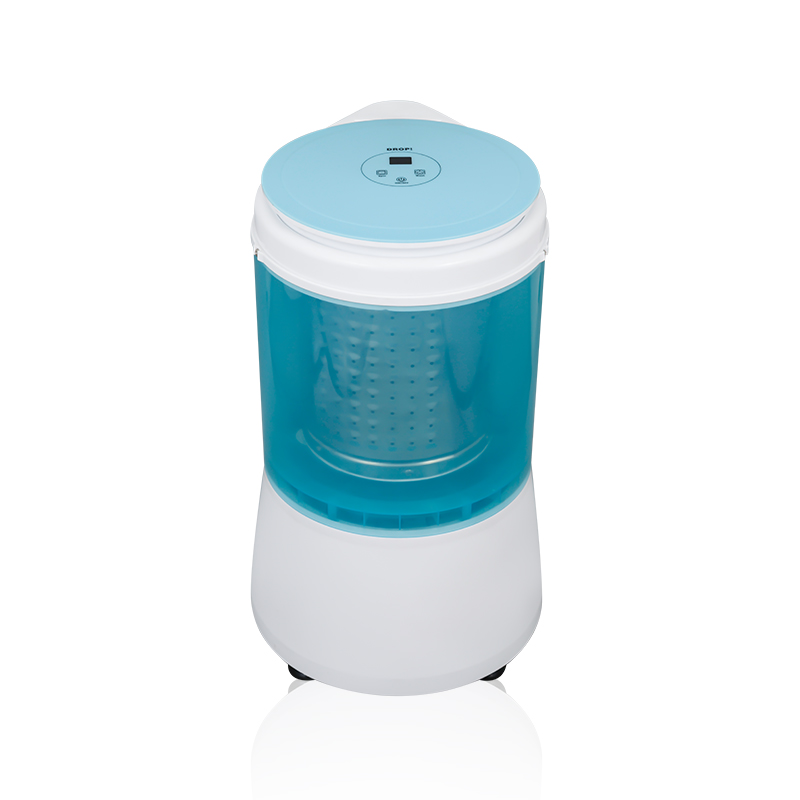
No.62, Beiyihuan Road, Industry Area Zhangqi Town Cixi Ningbo China.
Phone:+86-13777243189

CALL OR SEND E-MAIL
No.62, Beiyihuan Road, Industry Area Zhangqi Town Cixi Ningbo China.
Phone:+86-13777243189
Content
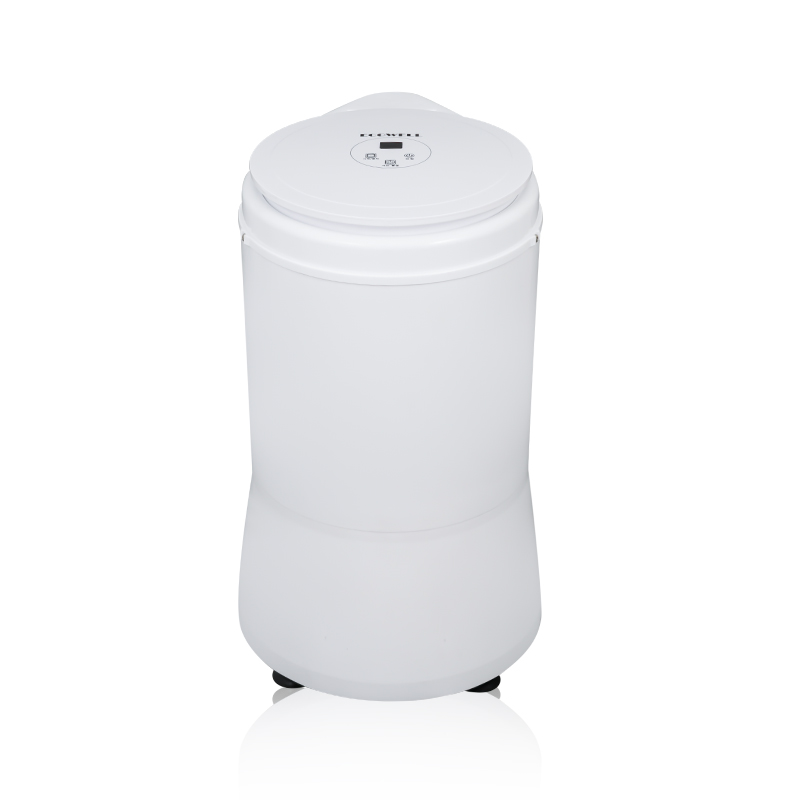
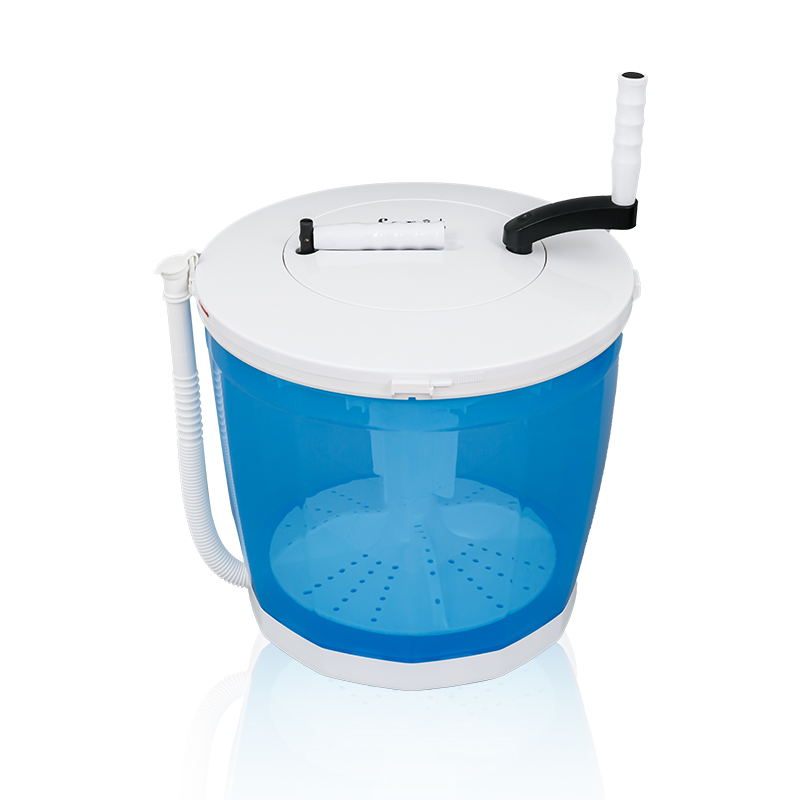
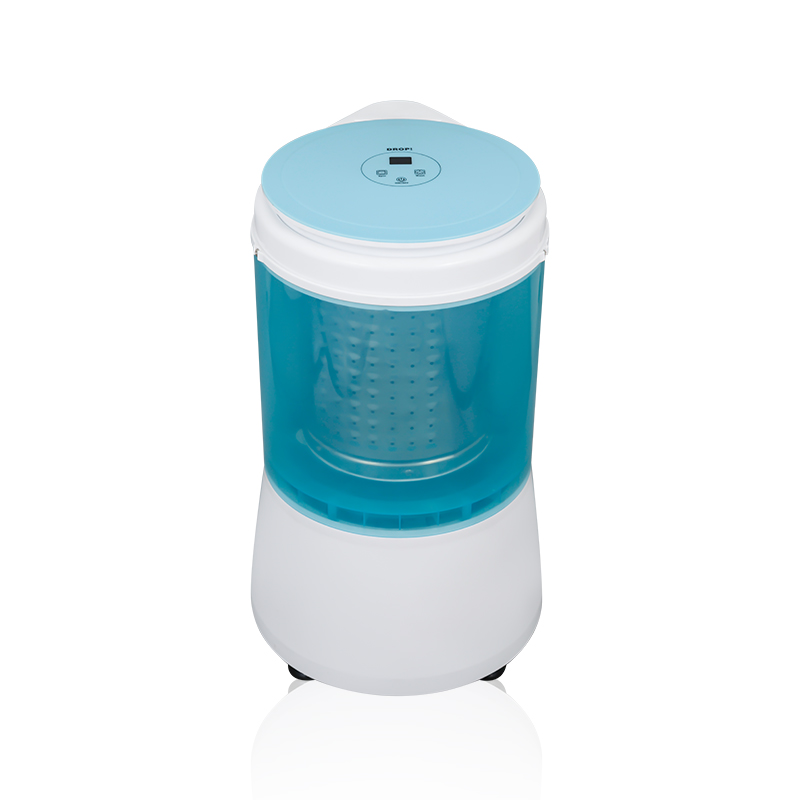
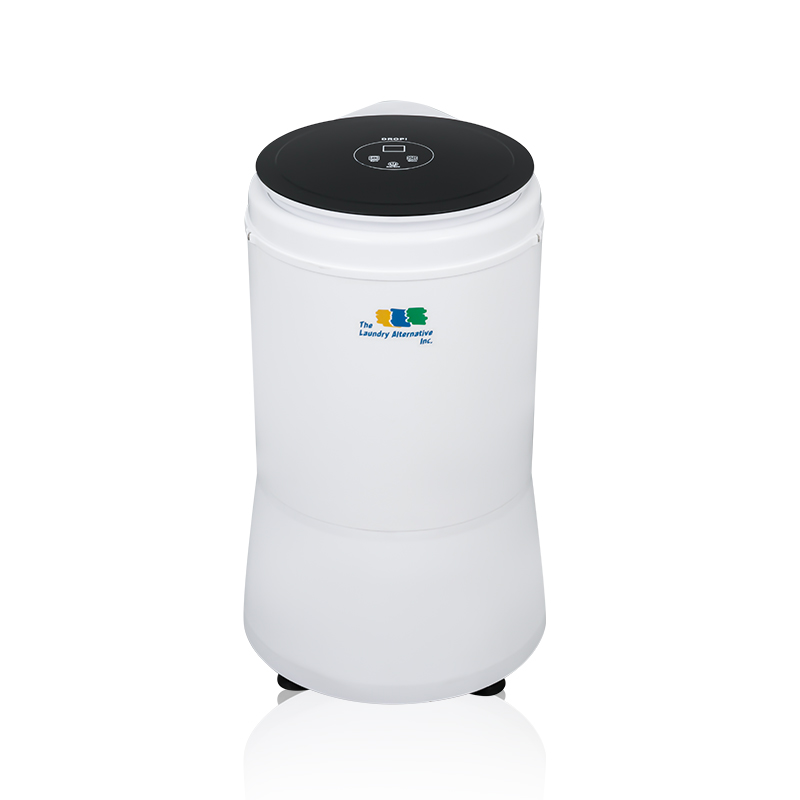
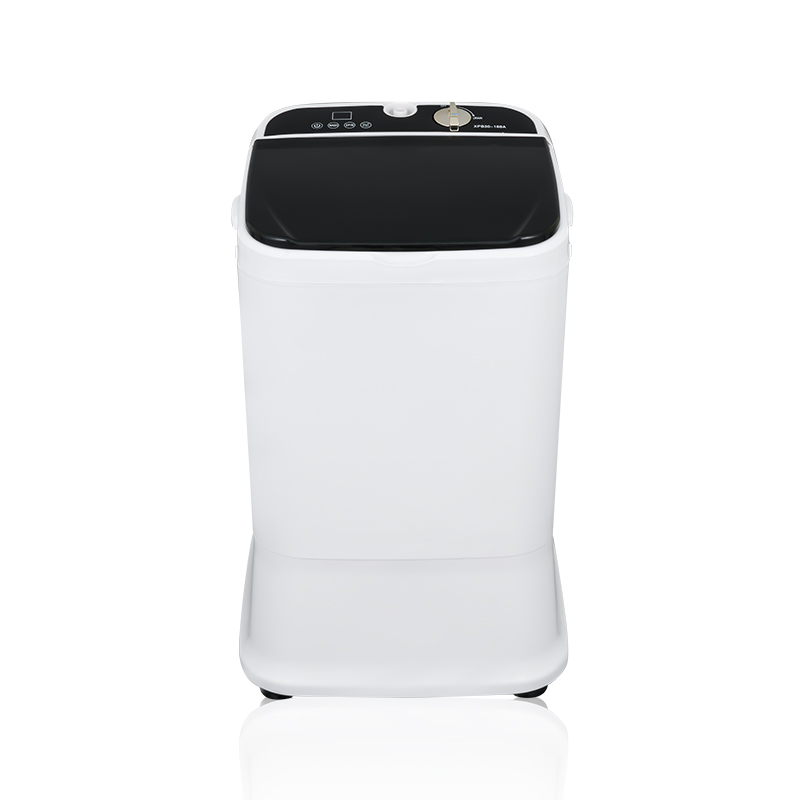
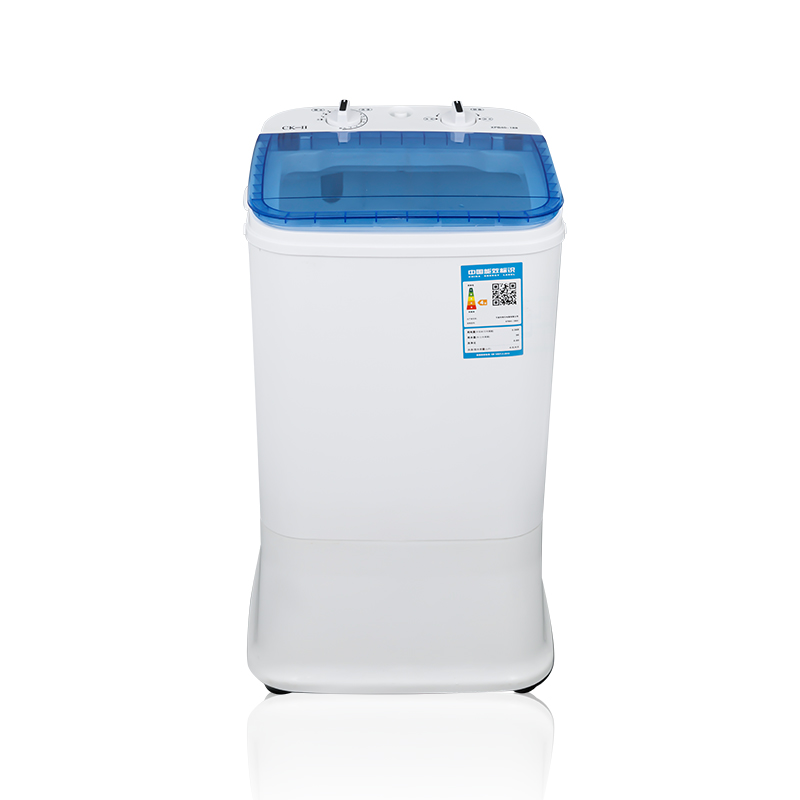
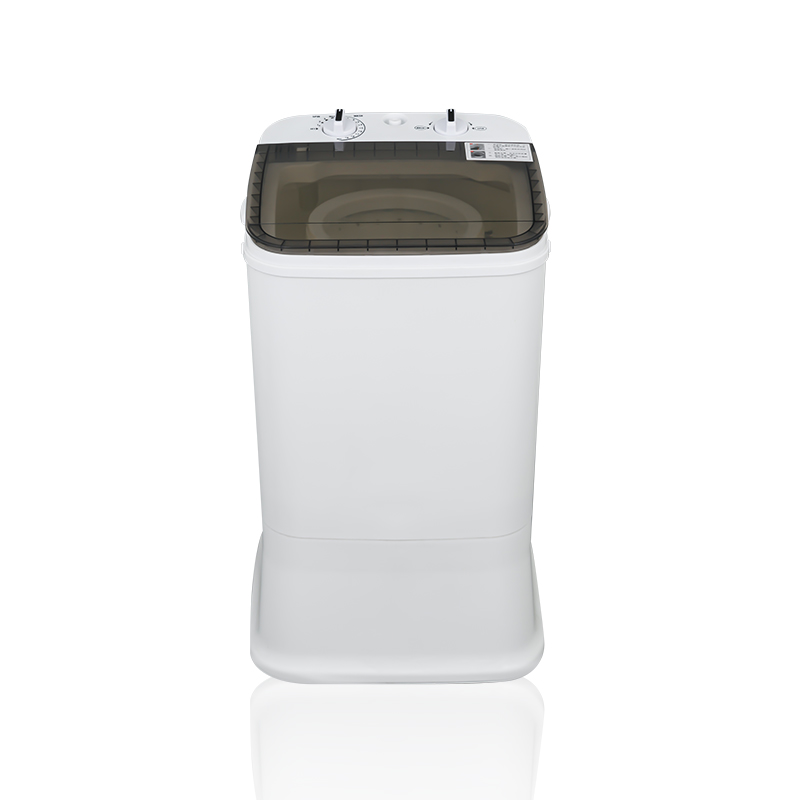
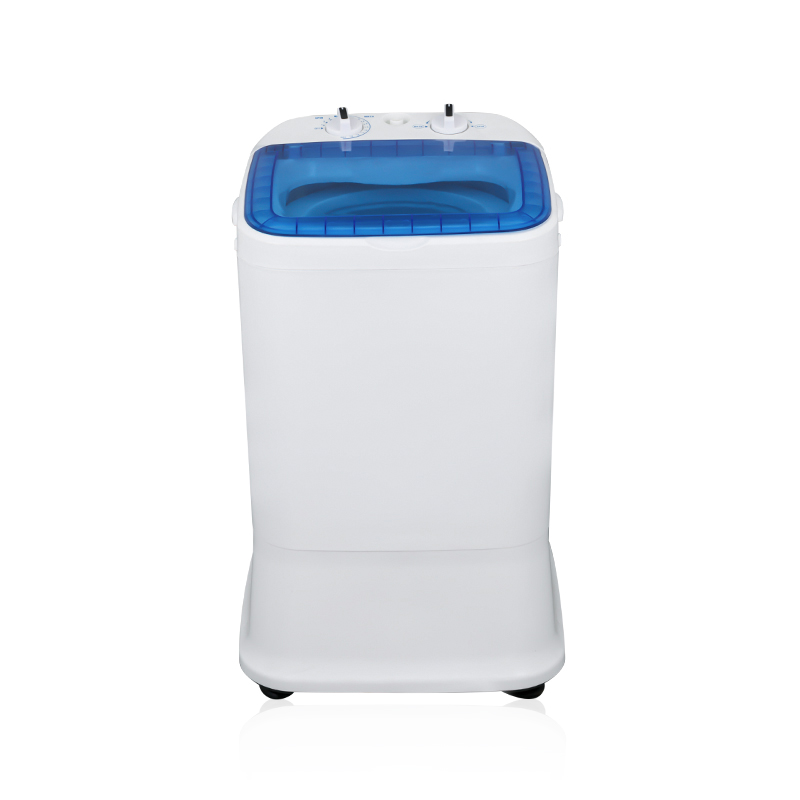
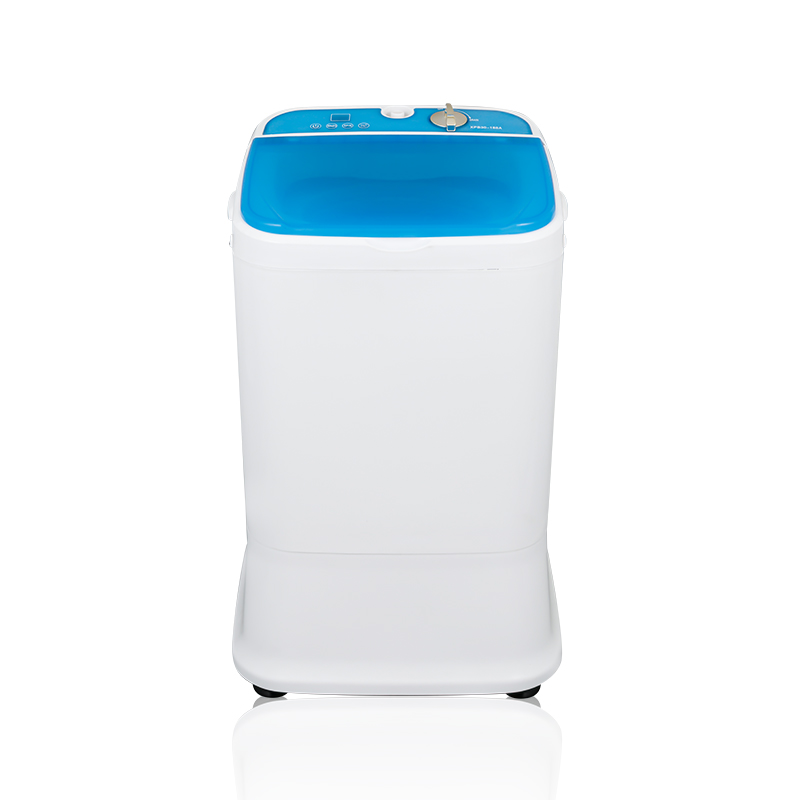
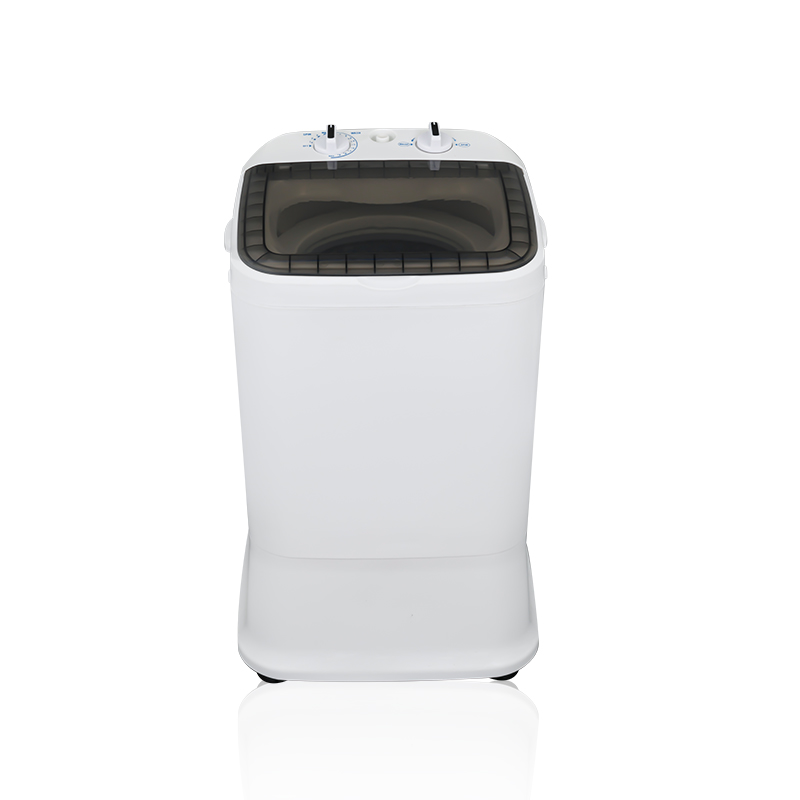
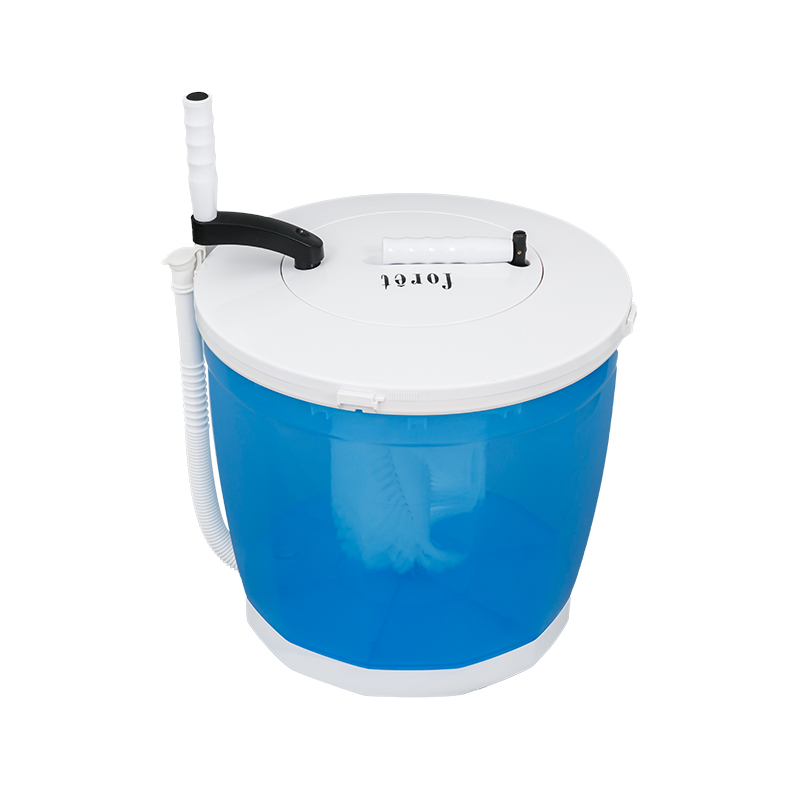
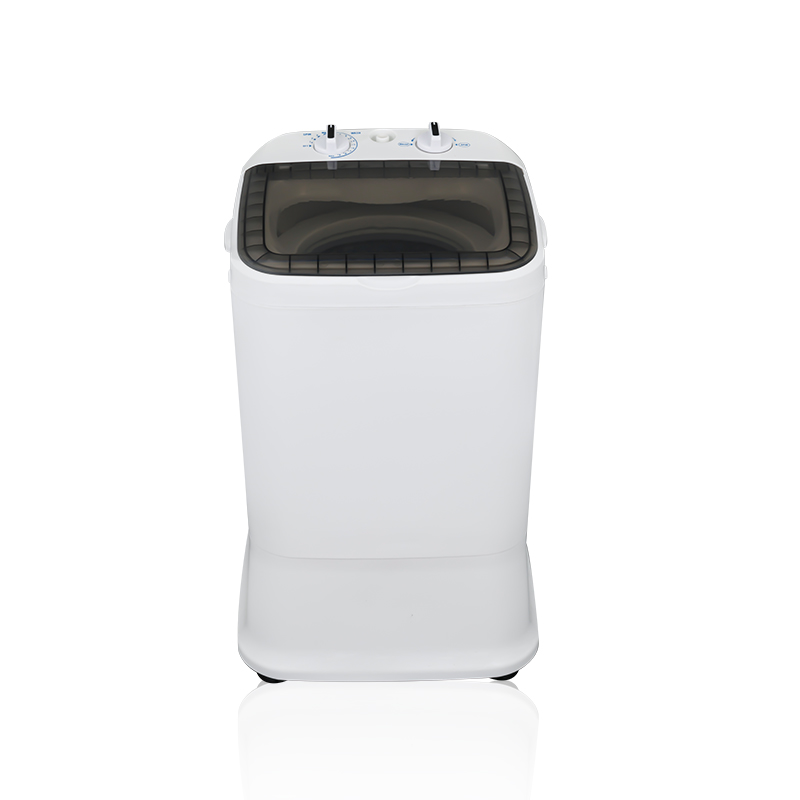
Laundry is one of the most time-consuming household chores, often requiring multiple steps including washing, spinning, drying, and folding. For individuals living in small apartments, dorm rooms, or homes without access to a full-sized dryer, completing laundry efficiently can be a significant challenge. A mini countertop spin dryer is designed to tackle this problem by quickly removing water from clothes, reducing drying time, and saving energy compared to traditional methods. By using centrifugal force, these compact machines extract excess moisture from garments in minutes, allowing them to be hung or ironed immediately.
Mini spin dryers are particularly useful for small or delicate loads. They are ideal for items such as undergarments, baby clothes, workout gear, or hand-washed garments that require careful handling. Unlike conventional dryers that rely on heat and consume substantial electricity, mini spin dryers use high-speed rotation to expel water without heating, offering a more energy-efficient alternative. In addition to saving energy, this method preserves fabric quality by reducing exposure to high temperatures, which can cause shrinkage or wear over time.
The convenience of mini spin dryers also extends to daily life. A full laundry cycle, including drying, can take several hours using a traditional line or tumble dryer. With a spin dryer, clothes can reach a semi-dry state in 2–5 minutes, drastically shortening the overall laundry workflow. This means fewer hours waiting for garments to dry and more time for other activities, making laundry less of a burden.
One of the main advantages of a mini spin dryer is the speed of water removal. Traditional methods like air drying or conventional tumble dryers require significant time, especially for thick or dense fabrics. In contrast, mini spin dryers use high-speed rotation—often between 2,000 and 4,000 RPM—to force water out of garments quickly.
By integrating a mini spin dryer into the laundry routine, households can reduce the total time from washing to wearing. After washing, clothes can be spun immediately in the countertop dryer and then hung for final air-drying. This method works especially well for small daily loads, where only a few garments need rapid drying without running a full-sized dryer.
Mini spin dryers are highly energy-efficient due to their compact motors and non-heating drying process:
Reduced energy consumption also contributes to lower carbon emissions, making mini spin dryers a sustainable choice for eco-conscious households. Families can maintain their laundry routines while minimizing environmental impact, particularly when combined with energy-saving practices like air drying after the spin cycle.
Mini countertop spin dryers are lightweight, portable, and compact, making them ideal for apartments, dorm rooms, or small homes without floor space for a full-sized dryer. They can sit conveniently on a countertop, bathroom shelf, or laundry table, and easily stored away when not in use.
They are particularly suitable for delicate garments such as lingerie, silk, or workout clothing. The gentle spinning action removes excess water without damaging the fabric fibers, unlike high-heat tumble dryers that can cause shrinkage or wear. This makes mini spin dryers perfect for users who want quick laundry solutions while protecting their clothes.
| Feature | Mini Countertop Spin Dryer | Traditional Dryer |
|---|---|---|
| Drying Time | 2–5 minutes per load | 30–60 minutes per load |
| Energy Consumption | 50–150 watts per cycle | 1,500–3,000 watts per cycle |
| Space Requirement | Compact, countertop-sized | Large, floor-standing |
| Fabric Care | Gentle on delicates | Can cause shrinkage or wear |
| Convenience | Portable, quick, easy to store | Fixed location, less flexible |
For optimal results, avoid overloading the spin dryer. Smaller, balanced loads ensure the machine spins evenly and extracts water effectively.
For garments that are heavily wet, a brief pre-spin cycle can remove most of the water before a full spin, reducing overall drying time.
While mini spin dryers remove most moisture, final air drying may still be necessary for thick fabrics. Combining spinning with a brief line or rack drying ensures clothes are dry faster with minimal energy use.
1. How does a mini countertop spin dryer work?
It uses high-speed spinning to remove water from clothes through centrifugal force, without relying on heat.
2. Can a mini spin dryer replace a traditional dryer?
It is suitable for small loads, delicates, and partial drying. It may not fully dry thick fabrics like towels or heavy denim.
3. Is it safe for delicate fabrics?
Yes. Most mini spin dryers are designed for gentle handling to prevent damage.
4. How much energy does it save?
Typically, a mini spin dryer consumes 50–150 watts per cycle versus 1,500–3,000 watts for conventional dryers.
5. Can it fit in small apartments?
Yes. Its compact countertop design makes it ideal for small living spaces and dorms.
 No.62, Beiyihuan Road, Industry Area Zhangqi Town Cixi Ningbo China.
 13777243189
 +86-13777243189
 +86-0574-63809239
Copyright © Ningbo Changle Electric Appliance Co., Ltd. All Rights Reserved.