English
 中文简体
中文简体 Español
No.62, Beiyihuan Road, Industry Area Zhangqi Town Cixi Ningbo China.
Phone:+86-13777243189

CALL OR SEND E-MAIL
No.62, Beiyihuan Road, Industry Area Zhangqi Town Cixi Ningbo China.
Phone:+86-13777243189
Content
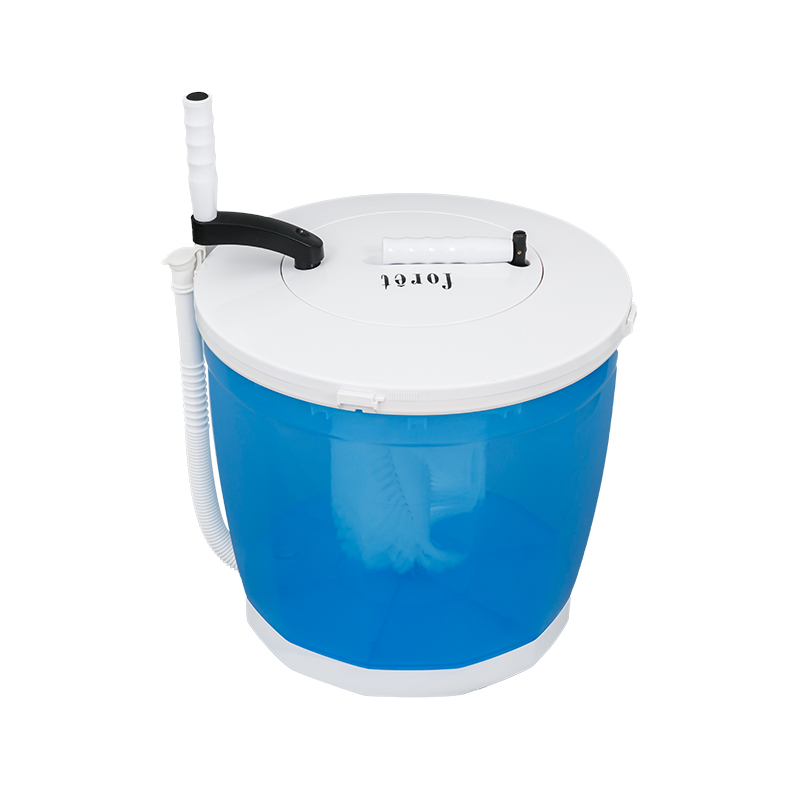
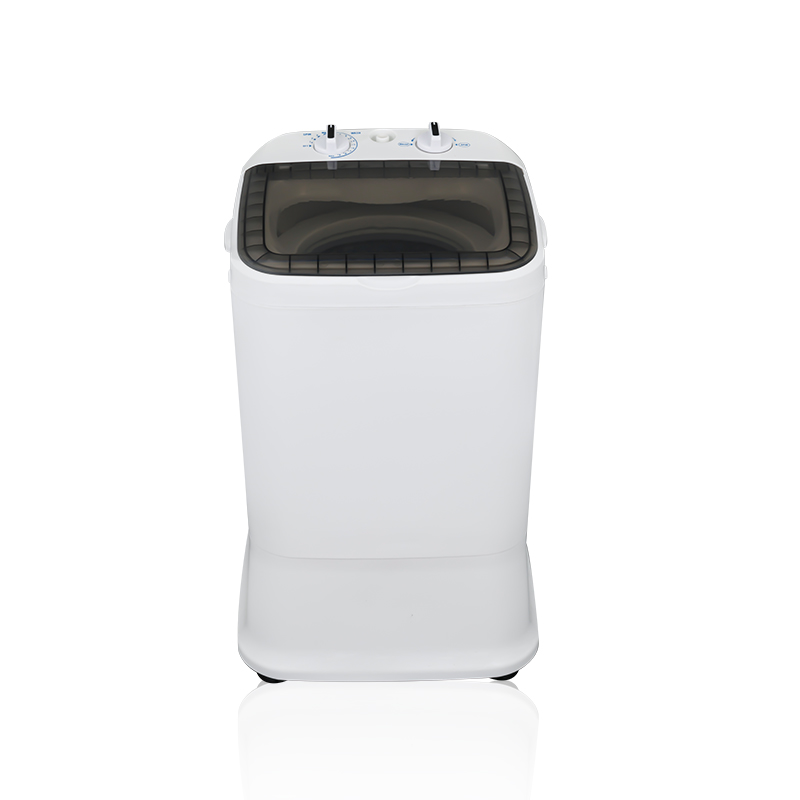
Mastering a Hand Operated Washing Machine requires a shift in mindset. Unlike an industrial electric washer that uses brute force and massive amounts of electricity to overcome a poorly loaded drum, a manual machine relies on the physics of hydrodynamic flow and agitation. If you don’t prepare correctly, you aren’t just making the job harder—you’re making it less effective.
Proper preparation ensures that the mechanical energy you provide via the crank or pedal is distributed evenly, allowing the detergent to penetrate deep into the textile fibers.
The most common mistake beginners make is treating the manual drum like a bottomless laundry basket. In an industrial machine, the motor can force a heavy, sodden mass of clothes to turn; in a manual machine, an overstuffed drum becomes a solid, heavy “brick” that simply slides around without any internal movement.
To get clothes truly clean, you need mechanical action. This occurs when clothes fall from the top of the drum to the bottom through the wash liquor.
Because you are providing the power, the balance of the load matters for your own physical comfort.
Manual machines are exceptional for refreshing clothes, removing odors, and cleaning general daily grime. However, they lack the high-heat internal heaters and aggressive high-speed friction found in industrial units. This means you must act as the “smart sensor” for your laundry.
Because you won’t have 90°C water or a 1400 RPM agitator, you must chemically break down stains before the garment enters the drum. Use the table below to determine the best pre-treatment strategy for your manual wash:
| Stain Type | Pre-Treatment Agent | Action Required |
|---|---|---|
| Organic (Blood, Grass) | Cold water + Enzyme detergent | Soak for 15 minutes; do NOT use hot water (it sets the protein). |
| Oil/Grease (Food, Makeup) | Dish soap or Degreaser | Rub a small amount of concentrated soap into the dry fabric. |
| Protein (Sweat, Deodorant) | White Vinegar + Baking Soda | Create a paste and apply to underarm areas to neutralize salts. |
| Tannins (Coffee, Wine) | Club Soda or Hydrogen Peroxide | Blot immediately; do not rub. Apply peroxide if the fabric is light-colored. |
| General Grime (Cuffs, Collars) | Liquid Laundry Detergent | Use a soft-bristled brush to “massage” detergent into the fibers. |
Once you have applied your pre-treatment agent, do not throw the item immediately into the wash water.
Not all fabrics react the same way to manual agitation. Part of your preparation is “triage”—sorting what will benefit most from this cleaning method.
Manual machines are the “Goldilocks” of laundry: tougher than a sink-soak, but gentler than an electric agitator.
While versatile, there are items that are simply too bulky or heavy for a standard hand-operated unit:
Before you close the lid and begin your workout, run through this final list to ensure the freshest results:
By mastering these preparation steps, you ensure that the actual “washing” part of the process is short, effective, and physically rewarding. You aren’t just washing clothes; you are practicing a more intentional, sustainable way of garment care.
When people ask, “is hand washing clothes better?” the answer often comes down to the control you have over the chemical environment of the wash. Using a hand washing machine or a hand laundry machine gives you the unique ability to tailor the water temperature and soap concentration to the exact needs of your fabric. However, because a hand washer laundry setup uses significantly less water than a massive industrial unit, the “chemistry” of your wash changes.
To effectively hand wash clothes, you must understand that the solution—the mixture of water and soap—is the engine of the cleaning process. Get it wrong, and you’ll be stuck in a “suds-pocalypse” that makes rinsing a nightmare. Get it right, and your washed clothes by hand will look and smell better than anything from a commercial laundromat.
In a hand laundry routine, temperature is your most powerful tool for breaking down oils and sweat. While modern detergents are designed to work in cold water, certain temperatures are better suited for specific tasks in a hand laundry washer.
For the vast majority of loads in a hand clothing washer, lukewarm water ( to ) is the gold standard. It is warm enough to help the detergent dissolve and to melt body oils (sebum) trapped in the fibers, yet cool enough to prevent most fabrics from shrinking or bleeding dye.
One of the most important lessons in how to hand wash clothes in washer (specifically manual ones) is that you cannot use the same amount of soap you would use in a standard machine. Because the hand washer laundry environment is a closed, low-volume system, the ratio of soap to water is much higher.
Traditional detergents are designed to create lots of bubbles, which consumers often mistake for “cleaning power.” In a hand laundry machine, bubbles are actually your enemy. They create a cushion that prevents clothes from hitting the water (reducing mechanical action) and are incredibly difficult to rinse out without a high-speed electric spin cycle.
For a hand laundry setup, liquid detergent is almost always superior. Powders often require high heat and heavy agitation to dissolve completely. If they don’t dissolve, you’ll find white chalky streaks on your washed clothes by hand once they dry.
To help you avoid the dreaded “suds-pocalypse,” refer to the table below for the ideal mixture based on your load type in a hand washing machine.
| Load Type | Water Level | Detergent Amount | Best Additive |
|---|---|---|---|
| Delicates (Silk/Lace) | Full Basin | 1/2 tsp (Liquid) | Mild Hair Conditioner (Softener) |
| Synthetic/Gym Gear | 60% Full | 1 tsp (HE Liquid) | Baking Soda (Odors) |
| Heavy Cotton/Jeans | 50% Full | 1.5 tsp (HE Liquid) | Borax (Booster) |
| Woolens | Full Basin | 1/2 tsp (Wool Wash) | Lanolin (Restoration) |
Knowing how to effectively hand wash clothes involves more than just pouring soap over fabric. You must create a “homogenized” wash liquor before the clothes even touch the water.
Never pour concentrated detergent directly onto dry clothes in your hand laundry washer. This can cause spotting and uneven cleaning. Instead:
If you find yourself with a mountain of bubbles overflowing from your hand washing machine, do not simply keep rinsing with water. This wastes time and energy. Instead, add a capful of fabric softener or a dash of salt to the water; these act as “defitants” and will cause the suds to collapse instantly, making your hand laundry task much easier.
Sometimes water and soap aren’t enough to get the “freshest results.” Since you are using a hand clothing washer, you have the freedom to add natural boosters that might be too harsh for a complex electric sensor-filled machine.
By mastering the solution, you ensure that every rotation of your hand washing machine is working at maximum efficiency. You’ll find that when you understand the chemistry, the question of is hand washing clothes better is answered with a resounding “Yes”—it’s better for your clothes, your wallet, and the planet.
Once your drum is loaded and your solution is perfectly balanced, you enter the heart of the process. This is where the “Art” of using a hand washing machine truly comes to life. Many people believe that how to washing clothes by hand effectively requires immense physical strength or high-speed spinning, but the reality is much more scientific.
To achieve professional-grade results, you must master the cadence of agitation. Whether you are using a pressurized hand laundry device or a simple crank-operated drum, the goal is to create a consistent flow of water through the fabric.
Before you ever touch the handle or the pedal, you must utilize the most underrated tool in how to hand wash laundry: time.
When clothes are submerged in a hand laundry solution, the surfactants in the detergent begin a chemical process called “micelle formation.” These molecules attach themselves to dirt and oils, lifting them away from the fabric fibers. By allowing the clothes to soak for 5–10 minutes, you are letting chemistry do 70% of the work for you. This makes the subsequent agitation phase much shorter and less physically demanding.
The duration of your soak should depend on the water temperature. If you are learning how to wash laundry by hand with cold water, extend the soak to 15 minutes, as cold water molecules move slower and take longer to penetrate dense fabrics like denim or heavy cotton.
When it’s time to start the motion, many beginners make the mistake of cranking as fast as they can. This is counterproductive. High-speed spinning in a manual machine often causes the clothes to pin against the outer wall of the drum due to centrifugal force, meaning no water is actually moving through the fabric.
The most effective way how to wash and dry clothes by hand starts with a steady, rhythmic motion. Aim for approximately 40 to 60 revolutions per minute (RPM). This speed allows the clothes to “tumble”—falling from the top of the drum to the bottom—which creates the necessary friction to “slap” the dirt out of the weave.
If you are using a pressure-based hand laundry washer, the agitation serves a dual purpose. As you turn the handle, the internal air pressure increases, forcing the soapy water deep into the pores of the fabric. In these machines, you actually need less agitation time because the pressure acts as a mechanical catalyst.
Not every load requires the same amount of “crank time.” Refer to the table below to optimize your laundry hand workout:
| Fabric Type | Agitation Time | Motion Style | Intensity |
|---|---|---|---|
| Light Silks/Lace | 1 Minute | Slow, intermittent turns | Very Low |
| Daily T-Shirts/Cotton | 2 Minutes | Constant, rhythmic tumble | Moderate |
| Activewear/Synthetics | 2.5 Minutes | Fast pulses with pauses | Moderate-High |
| Workwear/Heavy Denim | 3–5 Minutes | Slow, heavy rotations | High |
| Delicate Knits | 1 Minute | Quarter-turn back and forth | Low |
Understanding how to hand wash and dry clothes means recognizing when the wash cycle is officially over. Over-washing can lead to fabric fatigue and “pilling.”
Every 60 seconds, stop the machine and reverse the direction of your rotation. This prevents the clothes from tangling into a tight ball (a common issue in manual drums). Reversing the direction creates a “turbulence” in the water that hits the stains from the opposite angle, ensuring a 360-degree clean.
How do you know when you’ve done enough? When learning how to washing clothes by hand, look at the color of the water through the transparent lid (if your machine has one). Once the water turns a murky grey and the suds look “heavy” with dirt, the agitation has served its purpose. For most daily loads, 2 to 3 minutes is the “sweet spot” where you maximize cleanliness without wasting energy.
Before you move to the final drying steps, use your hand laundry machine to perform a “dry spin.” After draining the soapy water, give the handle a few quick turns while the drum is empty of liquid.
This “dry spin” uses centrifugal force to eject the majority of the dirty, soapy water from the fabric fibers. It is a crucial bridge in the process of how to wash and dry clothes by hand. By removing this excess moisture now, your rinse cycle will be twice as effective, and your drying time will be cut by hours.
The final rhythm should be a slow deceleration. As you finish your agitation, don’t stop abruptly. Slow your pace for the last 10 seconds to allow the clothes to settle evenly. This prevents deep wrinkles from forming, making the “dry” part of how to hand wash and dry clothes much easier, as you won’t need to spend as much time ironing.
Mastering this consistent rhythm transforms a chore into a rewarding, meditative practice. By focusing on the motion, you aren’t just cleaning clothes; you are perfecting the science of the hand laundry craft.
The true hallmark of a master in cleaning clothes by hand isn’t how much dirt they remove, but how much soap they leave behind. One of the most common complaints from those transitioning to a hand washer laundry system is that their garments feel “crunchy” or stiff once they dry. This stiffness isn’t caused by the air-drying process itself, but by alkaline detergent molecules trapped deep within the fabric fibers.
When washing hand wash clothes in washing machine units that are manually operated, the rinse cycle is the most critical stage. Unlike electric machines that use high-speed pressurized sprays, a manual rinse requires intentionality. If you want to know is hand washing clothes better, the answer is yes—but only if you achieve a clinical-level rinse that leaves the fibers neutral and soft.
To effectively handwash clothing, a single dunk in water is rarely enough. Detergents are designed to “stick” to dirt, but they also have a natural affinity for textile fibers. A double rinse ensures that you are not just diluting the soap, but completely removing it.
After you have drained the murky wash water, your clothes are still saturated with concentrated suds.
Drain the first rinse water and refill one last time. This is where you finalize the process of washing clothes with hands or manual machines. During this second minute of agitation, the water should remain almost entirely foam-free. If you still see significant bubbling, a third rinse may be necessary, especially for heavy fabrics like wool or fleece.
If you are looking for the absolute “Pro Tip” in how to handwash clothing, it’s sitting in your kitchen pantry. White distilled vinegar is the “magic bullet” for manual laundry.
Most laundry detergents are alkaline. If this alkalinity remains on the fabric, it creates a stiff, “board-like” texture. Vinegar is mildly acidic, meaning it chemically neutralizes the alkaline residue. When you add a splash (about 2–4 tablespoons) to the final rinse in your hand washer laundry, it acts as a natural fabric softener without the waxy buildup of commercial softeners.
Vinegar doesn’t just soften; it also strips away mineral deposits from hard water that can make whites look dingy. It is an essential step in is washing clothes by hand better than using a machine, as it provides a level of fiber-care that industrial chemicals often mimic with artificial scents and coatings.
To ensure you aren’t wasting water while cleaning clothes by hand, use this table to guide your rinsing intervals:
| Load Condition | Rinse Count | Additives | Agitation Speed |
|---|---|---|---|
| High Suds / Heavy Soil | 3 Rinses | 1/2 cup Vinegar (2nd Rinse) | High |
| Normal Load / HE Soap | 2 Rinses | 1/4 cup Vinegar (Final Rinse) | Moderate |
| Delicates / Silk | 2 Rinses | None (Pure Water) | Low / Gentle |
| Hard Water Areas | 3 Rinses | 1/2 cup Vinegar + Pinch of Salt | Moderate |
Once the rinse is complete, you are faced with a heavy, soaking wet pile of laundry. How you handle this stage determines whether your clothes will be stretched out of shape or perfectly preserved. In many steps in washing clothes by hand with pictures or tutorials, this is where people make the most mistakes.
The instinct for many when washing clothes with hands is to grab the garment and twist it tightly to wring clothes out. This is a recipe for disaster. Twisting forces the delicate fibers to stretch and snap, leading to “blown-out” collars and misshapen hemlines.
Instead of a harsh wring, use the “Press and Roll” method:
When you follow these meticulous rinsing and drying protocols, you begin to see why many enthusiasts argue that is hand washing clothes better than using a standard agitator. You are providing a level of “surgical” cleanliness that a 30-minute automated cycle simply cannot match.
By taking the time to neutralize the pH with vinegar and avoiding the trauma of the “wring,” your washing hand wash clothes in washing machine experience results in garments that last years longer than their machine-washed counterparts. You aren’t just doing laundry; you are practicing garment preservation.
The final hurdle in the manual laundry process is often the most misunderstood. Many people master how to hand wash clothes with detergent, only to ruin their efforts by drying their clothes incorrectly. Since a manual hand wash clothes routine lacks the 1200 RPM centrifugal force of an electric spin cycle, your garments emerge from the drum significantly heavier and more saturated with water.
Understanding how to wash clothes with hand power means accepting that you cannot simply “hang and hope.” If you hang dripping wet clothes, the weight of the water will stretch the fibers, leading to “shoulder bumps” and elongated hemlines. To maintain the integrity of your hand wash garments, you must use mechanical pressure rather than heat or tension to remove the bulk of the moisture.
The most common instinct after you wash clothes by hand is to grab the fabric and twist it with all your might. This is the quickest way to turn a high-quality sweater into a misshapen rag.
When you wring clothes out by twisting, you are applying “torsional stress” to the microscopic fibers. In delicate materials like silk or fine wool, this can literally snap the threads. In synthetics, it can permanently deform the elastic polymers (Spandex), meaning your leggings will never fit the same way again. Mastering how to hand washing clothes requires the patience to let go of the “twist” and embrace the “press.”
Often, people ask, “what is hand wash on washing machine?” on their electric units. This setting usually mimics the gentle agitation we’ve discussed, but its spin cycle is still faster than what a human can do. If you are learning how to machine wash hand wash clothes using a manual device, you are the “spin cycle.” You must replicate this water extraction safely.
If you want to know how to hand wash something and have it dry in hours rather than days, the towel-roll technique is your secret weapon. This is a foundational skill for anyone serious about how to hand wash clothes in a washing machine that is manually operated.
This method provides high pressure without any friction or stretching. It leaves the garment “damp-dry,” which is the ideal state for the final air-drying phase.
Not every garment should be dried the same way. When you hand wash clothes, use this table to determine the best final drying position:
| Material Type | Extraction Method | Drying Position | Avoid |
|---|---|---|---|
| Wool & Cashmere | Heavy Towel Press | Flat on a Mesh Rack | Hanging (Stretches) |
| Cotton T-Shirts | Gentle Towel Roll | Padded Hanger | Direct Sunlight (Fades) |
| Activewear/Gym Gear | Light Squeeze | Line Dry / Clip Hanger | High Heat (Melts Elastic) |
| Silks & Rayon | Blot with Towel | Wide Padded Hanger | Clothespins (Leaves Marks) |
| Denim/Jeans | Heavy Squeeze | Upside-down by Cuffs | Tumble Dry (Shrinks) |
Once the “Roll Technique” has removed 80% of the water, the final stage of how to wash clothes with hand power is the hang. However, even this requires a bit of strategy.
Never dry your hand wash garments in a closed, damp bathroom. Without airflow, the drying process slows down, which can lead to a “musty” smell—undoing all the hard work you did when you chose to how to hand wash clothes with detergent. Place your drying rack near a window or a fan to keep the air moving.
Manual washing (often called having a washing machine hand approach) sometimes results in clothes feeling slightly stiffer because they haven’t been “beaten” soft by a hot air dryer. To fix this, once the clothes are 95% dry, give them a vigorous “snap” or shake before they are completely dry. This breaks the surface tension of the fibers and restores softness.
A: In many ways, yes—is hand washing clothes better is often answered with a resounding “Yes.” Hand-operated machines give you total control over soaking times and water temperature. Furthermore, in pressure-based manual washers, the internal pressure forces soapy water deep into the fabric fibers, providing a level of penetration that traditional top-load agitators often struggle to match.
A: This is usually caused by detergent residue. During the process of cleaning clothes by hand, if rinsing is not thorough, the lingering alkaline detergent causes the fibers to harden. The solution is to perform a “Double Rinse” and add a splash of white vinegar to the final cycle to neutralize the alkalinity.
A: Many people learning how to hand wash clothes in a washing machine ignore the necessity of “tumble space.” If the drum is packed tight, the clothes become a solid mass that water cannot penetrate. Maintaining a 50%–60% load capacity creates a “Tumble Zone,” ensuring that mechanical energy effectively flushes out the dirt.
A: Absolutely not. Hand wash garments are typically delicate, and twisting (wringing) can snap fibers or cause permanent deformation. We recommend the “Roll Technique” mentioned in the guide, which uses vertical pressure rather than torsion to extract moisture safely.
A: We highly recommend High-Efficiency (HE) low-sudsing liquid detergent. Because manual devices use significantly less water, traditional powders are extremely difficult to rinse out. The secret to how to hand wash clothes with detergent is “less is more”—excessive bubbles create a “suds-pocalypse” that multiplies your rinsing effort.
When citing professional research or seeking deeper insights into manual washing techniques, consider the following academic and industrial areas:
 No.62, Beiyihuan Road, Industry Area Zhangqi Town Cixi Ningbo China.
 13777243189
 +86-13777243189
 +86-0574-63809239
Copyright © Ningbo Changle Electric Appliance Co., Ltd. All Rights Reserved.