English
 中文简体
中文简体 Español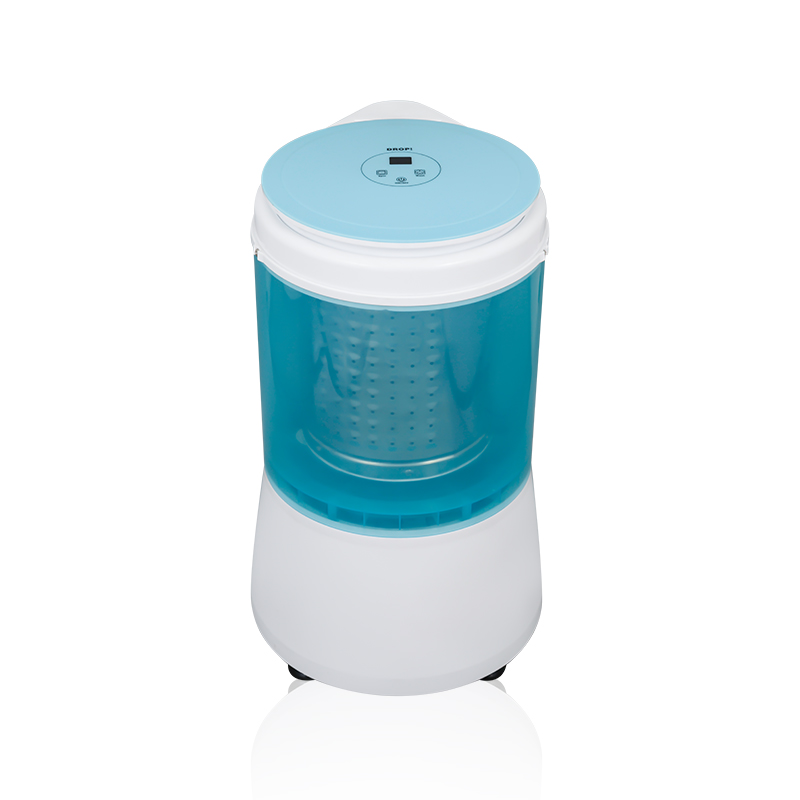
No.62, Beiyihuan Road, Industry Area Zhangqi Town Cixi Ningbo China.
Phone:+86-13777243189

CALL OR SEND E-MAIL
No.62, Beiyihuan Road, Industry Area Zhangqi Town Cixi Ningbo China.
Phone:+86-13777243189
Content
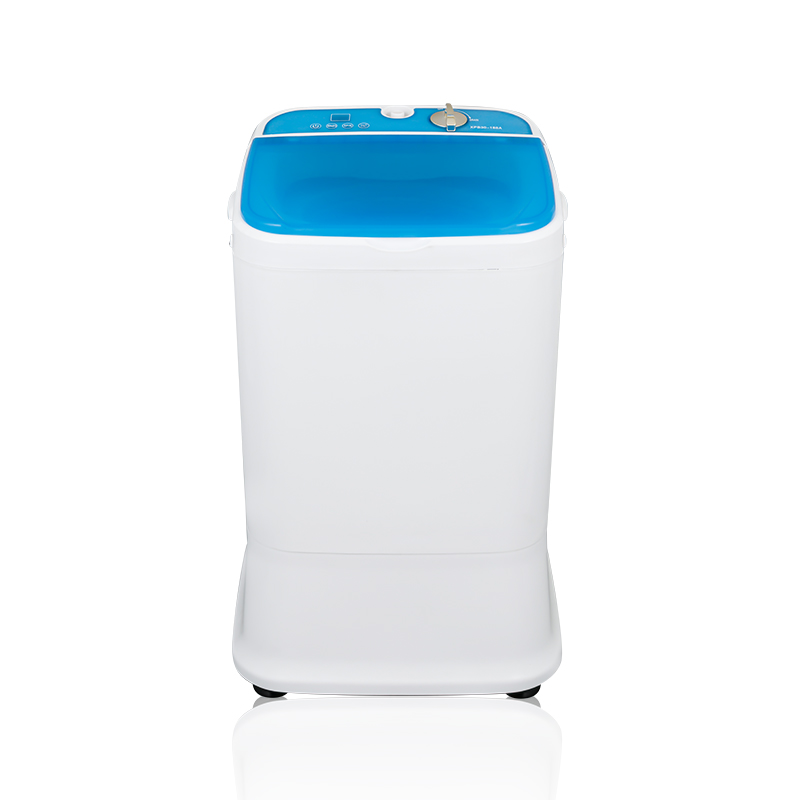
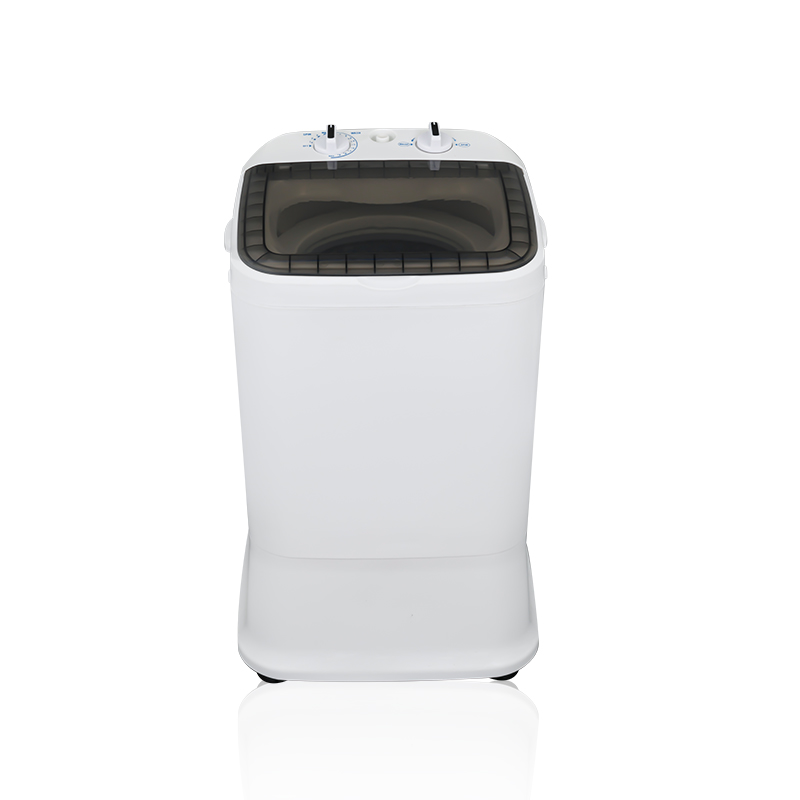
For many urban dwellers—whether you are a renter in a high-rise, a student in a dorm, or a minimalist in a tiny home—laundromats are not just expensive; they are a massive drain on your precious weekend time. Portable washing machines have emerged as a game-changer for these living situations. However, when shopping, consumers often find themselves torn between the high-tech fully automatic single-tub models and the budget-friendly, nostalgic semi-automatic twin-tub versions.
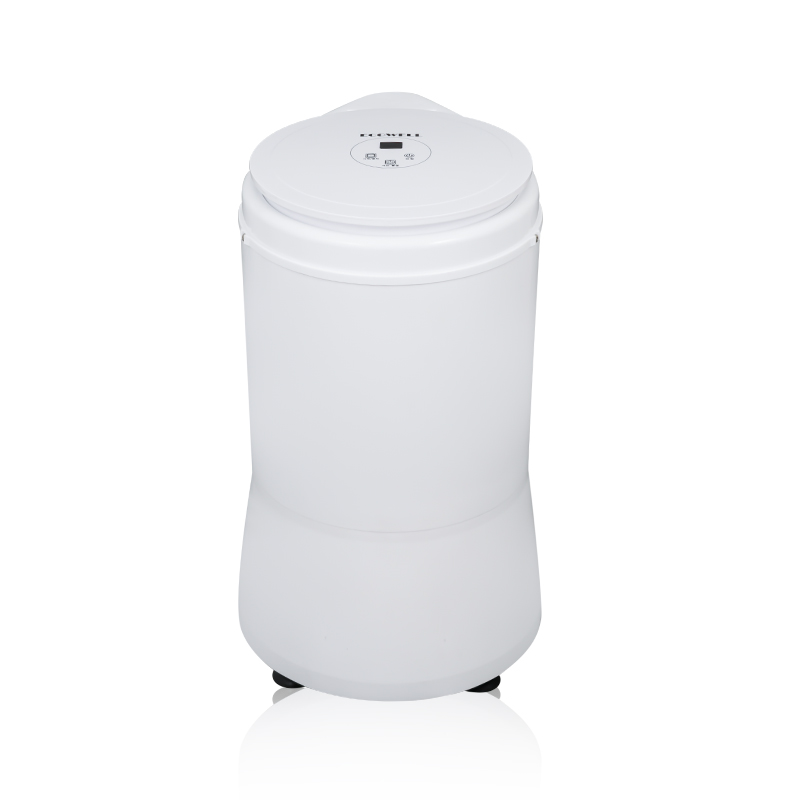
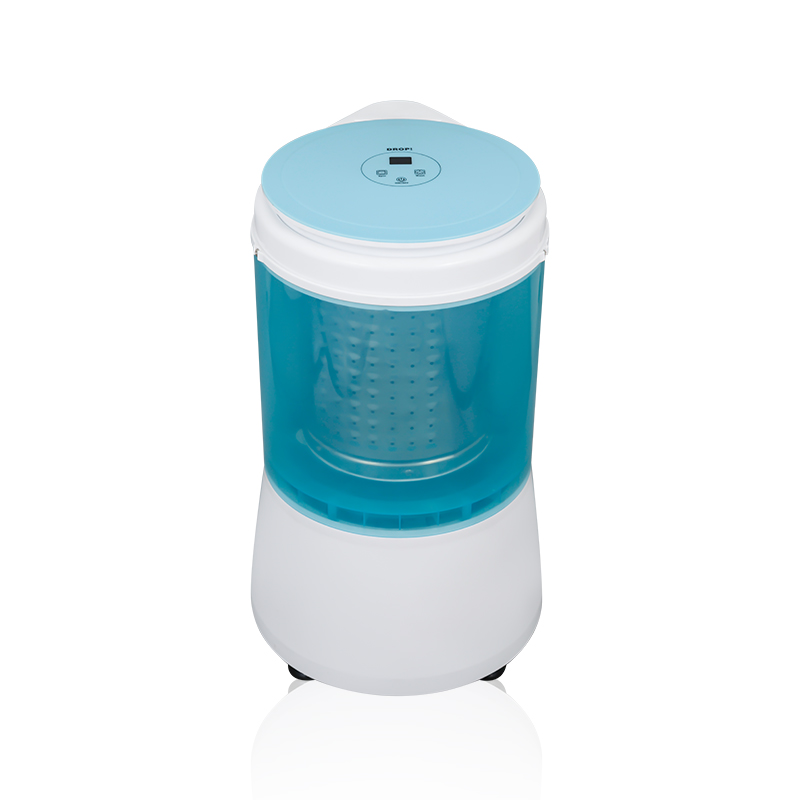
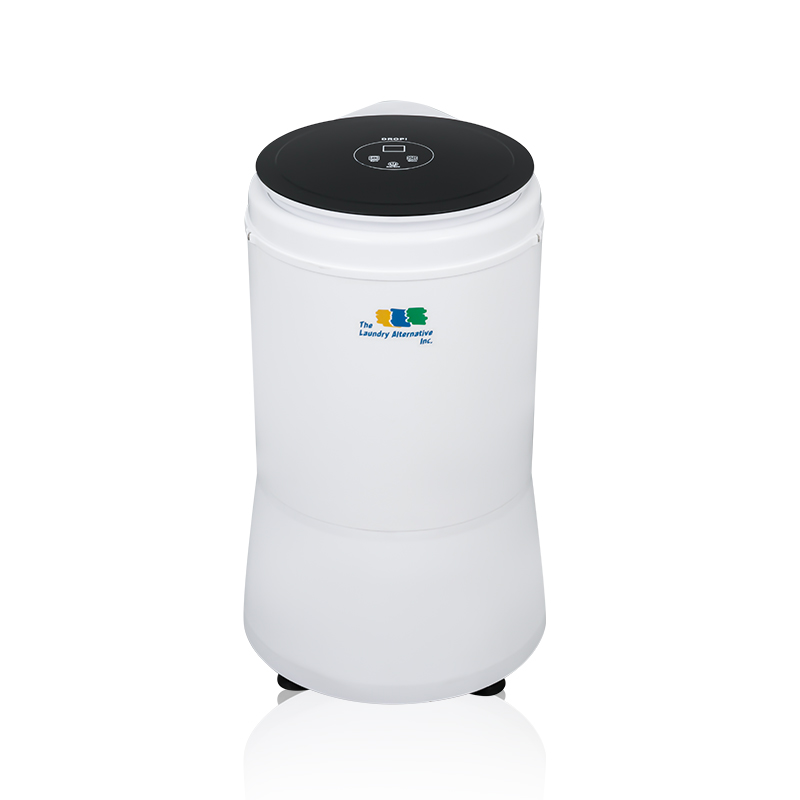
Understanding the difference starts with their structural design. A fully automatic portable washing machine typically features a single-tub design. In this system, washing, rinsing, and spinning all occur within the same stainless steel or plastic drum. It is powered by a computer chip and equipped with water level sensors and vibration detectors to automate the entire cycle. Once you connect it to a faucet and press “Start,” it functions exactly like a full-sized machine, moving through stages without any human intervention. This design is centered on “integration” and is ideal for those who value modern efficiency.
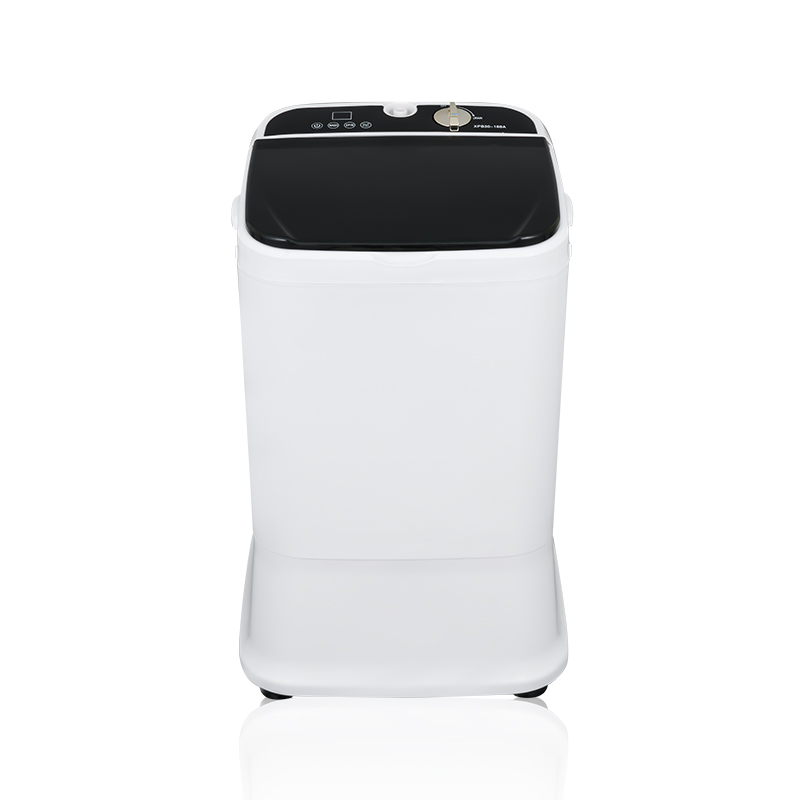
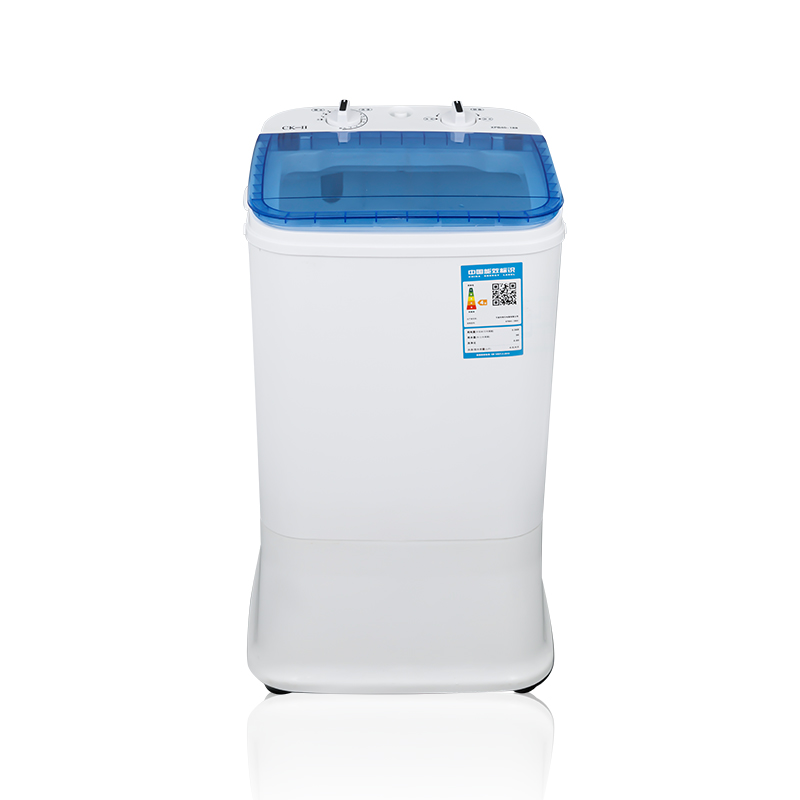
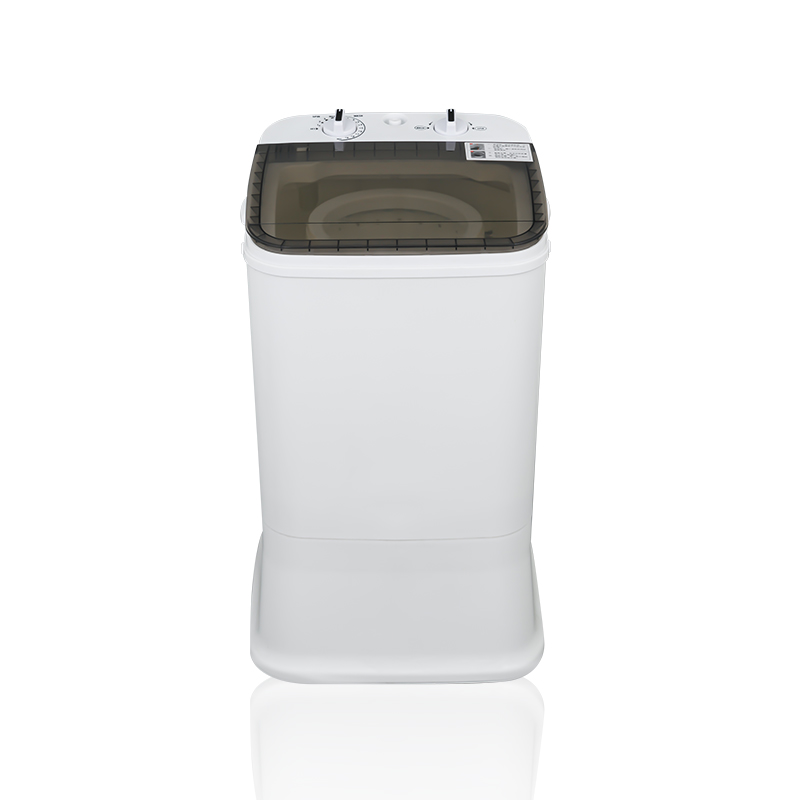
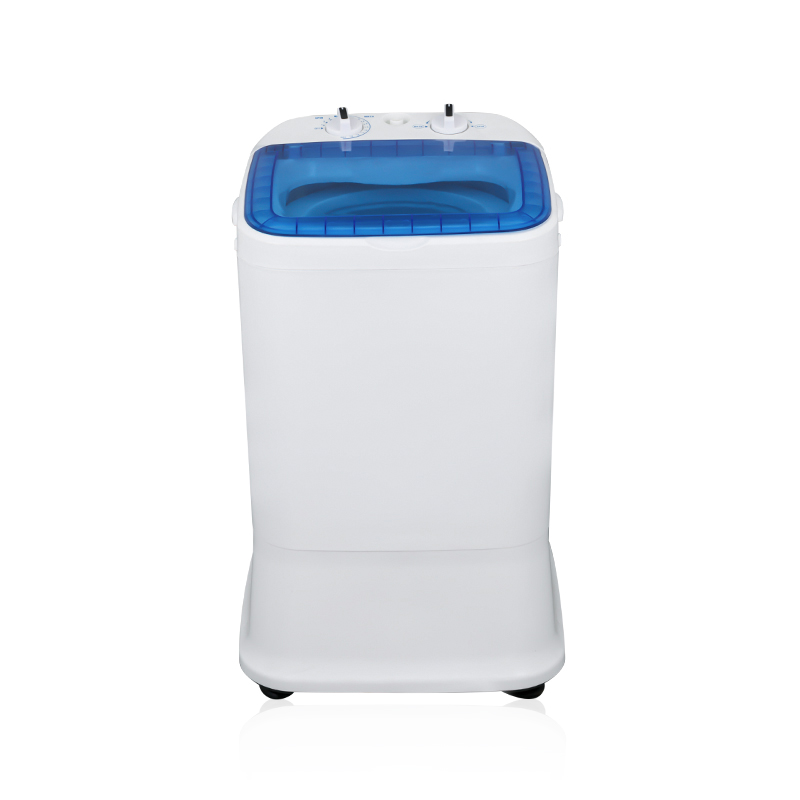
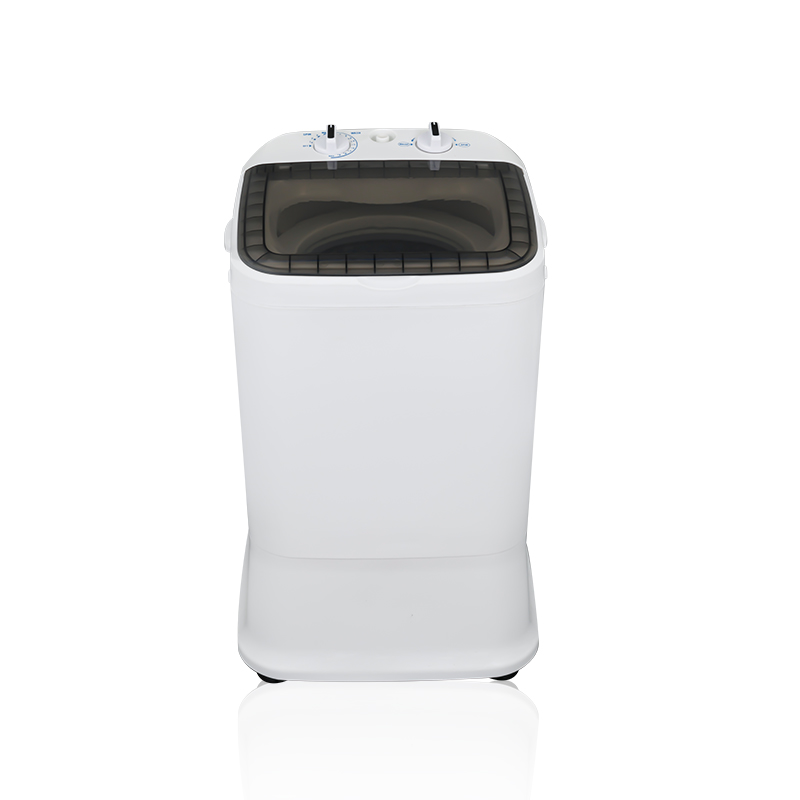
In contrast, the semi-automatic twin-tub washer is a masterpiece of “mechanical minimalism.” It consists of two separate compartments: a larger tub on the left for washing and rinsing, and a smaller tub on the right specifically for spinning (centrifugal drying). There are no complex circuit boards; instead, it relies on manual mechanical timers. This means the machine will not automatically transition from washing to spinning. You must physically move the clothes from one tub to the other. While it may seem primitive, this mechanical simplicity results in a very low failure rate. Furthermore, because they lack heavy internal balancers, these machines are 30% to 50% lighter than their automatic counterparts, making them incredibly easy to move.
The core value of a fully automatic machine is “set it and forget it.” In an apartment setting, you might be finishing a work report or cooking dinner; the automatic washer works quietly in the background. With features like “delay start” and various cycle programs (Normal, Delicate, Heavy Duty), you can customize the wash to your fabric type with a single button.
Using a semi-automatic machine, however, is more of a “chore ritual.” Once the wash cycle ends, you must manually lift the heavy, wet laundry into the spin tub and press it down firmly with a cover. If the clothes are not balanced perfectly, the spin tub will vibrate violently and make a loud thumping noise. For a busy professional, the need to return to the bathroom every 15 minutes to switch tubs can become a significant inconvenience over time.
Surprisingly, in terms of sheer cleaning power, semi-automatic machines often win. Because their pulsators (the spinning disc at the bottom) are often tuned for higher torque without the restrictions of complex sensors, they can generate a more powerful water flow—perfect for cleaning heavily soiled gym gear or canvas sneakers.
More importantly, semi-automatics offer unparalleled flexibility. In a fully automatic machine, it is difficult to add water or change modes once the cycle has begun. In a semi-automatic, you can “recycle” the soapy water from a lightly soiled load to wash a second load of rugs or cleaning rags, significantly saving on water and detergent. This “manual transmission” style of laundry is a major plus for eco-conscious users.
In an apartment, drainage is often the biggest hurdle. Fully automatic washers usually require a steady connection to a faucet and consistent water pressure to function. If your sink has a non-standard aerator, you may need a special adapter. Additionally, these machines often use a drain pump (upward drainage), requiring a specific height for the hose.
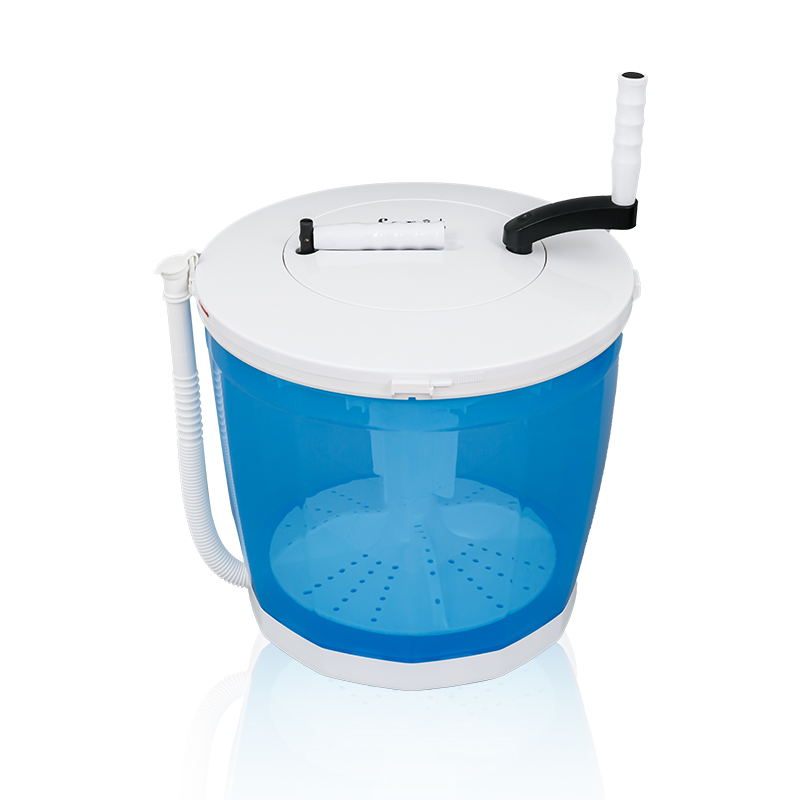
Semi-automatic machines are far more “laid back.” Most rely on gravity drainage—you simply lay the hose flat on the floor toward a drain. Filling the machine is also easier; you can use a showerhead to spray water directly into the tub or even fill it with a bucket. This means that even if your apartment has zero laundry hookups, as long as you have a floor drain or a shower stall, a semi-automatic machine is ready for action.
Before making your final choice, ask yourself: Do I value “time” or “space and budget” more?
Q1: Can portable washers clean heavy items like down jackets or comforters?
Q2: How do I stop my automatic machine from shaking during the spin cycle?
Q3: Is the plastic material of semi-automatic washers durable?
 No.62, Beiyihuan Road, Industry Area Zhangqi Town Cixi Ningbo China.
 13777243189
 +86-13777243189
 +86-0574-63809239
Copyright © Ningbo Changle Electric Appliance Co., Ltd. All Rights Reserved.