English
 中文简体
中文简体 Español
No.62, Beiyihuan Road, Industry Area Zhangqi Town Cixi Ningbo China.
Phone:+86-13777243189

CALL OR SEND E-MAIL
No.62, Beiyihuan Road, Industry Area Zhangqi Town Cixi Ningbo China.
Phone:+86-13777243189
Content
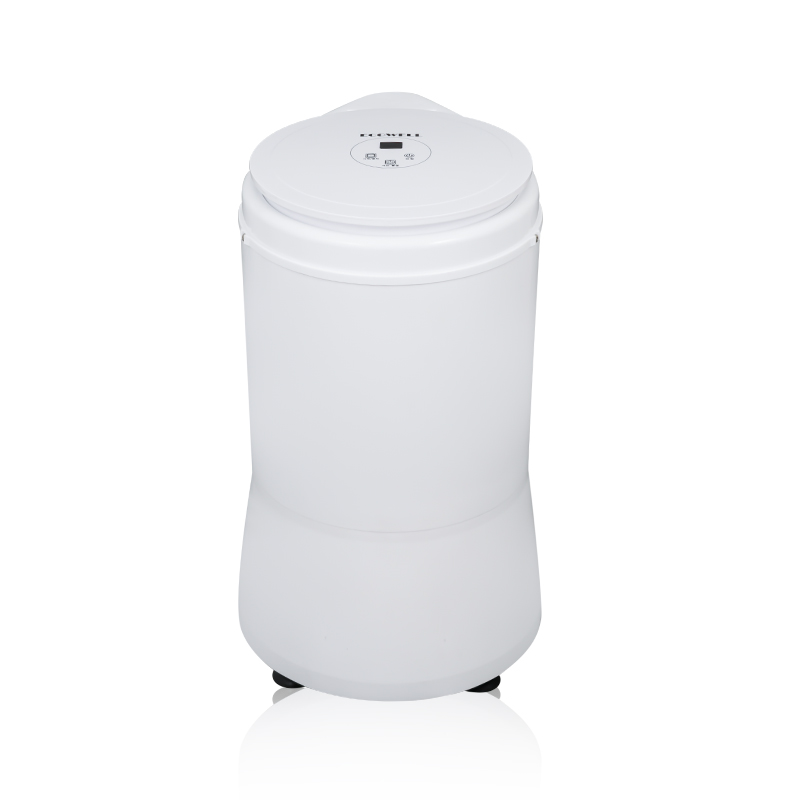
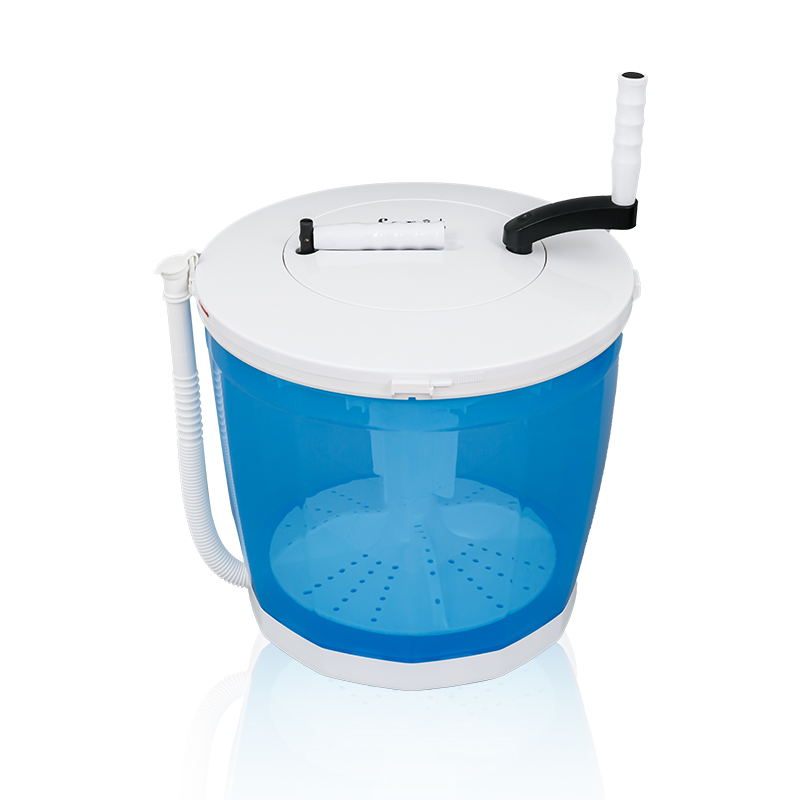
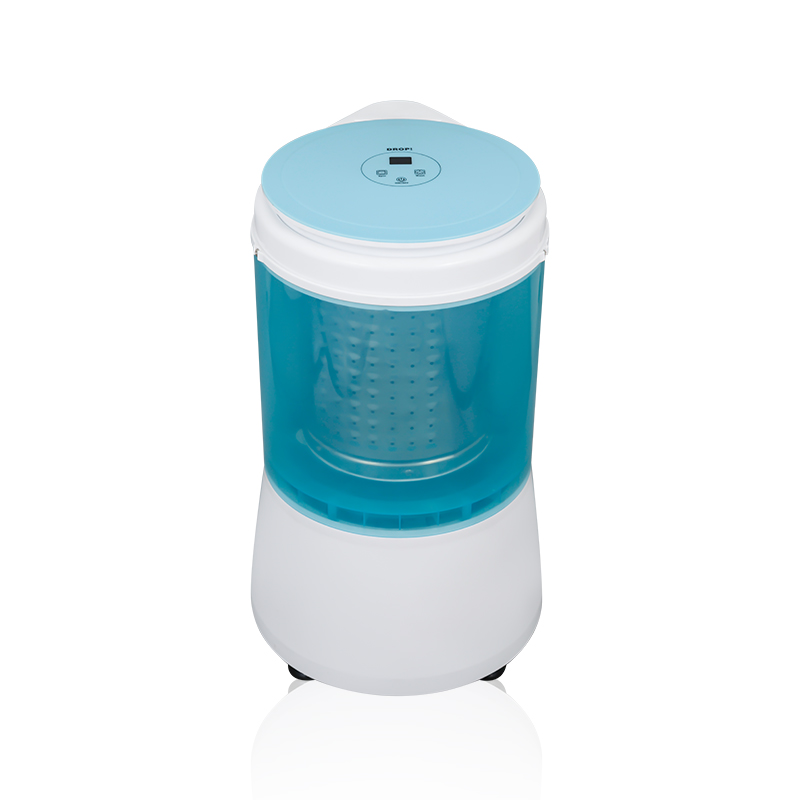
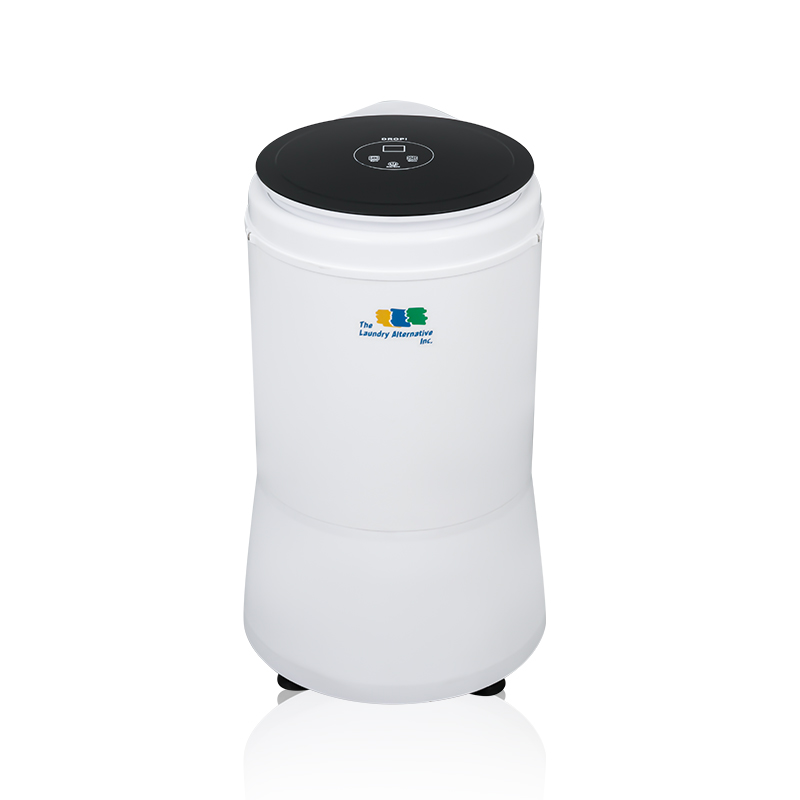
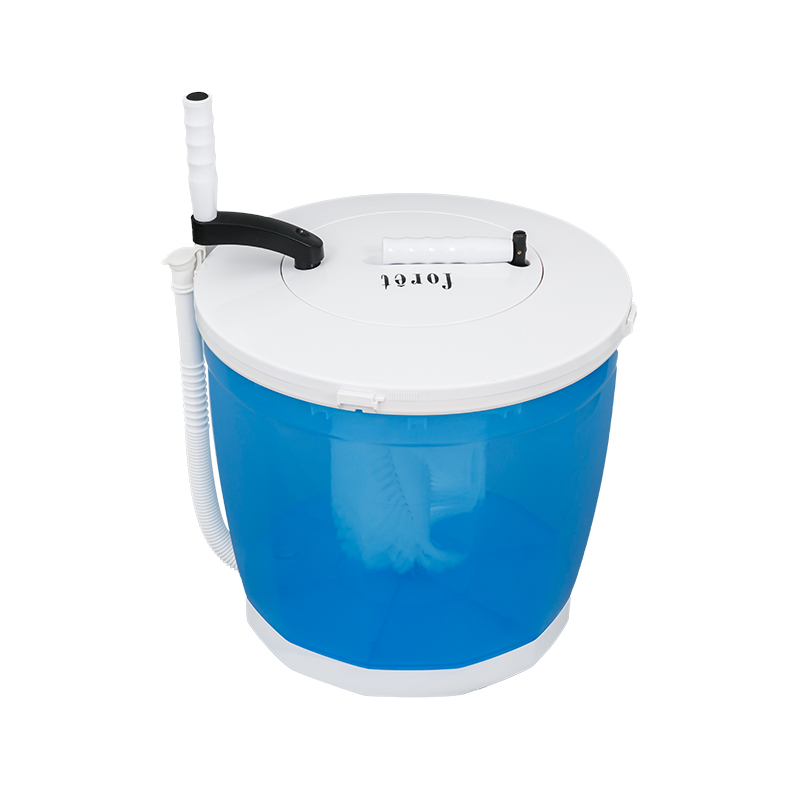
As consumers become increasingly aware of their environmental impact, many are seeking ways to adopt a more sustainable lifestyle. One area where significant improvements can be made is laundry. Manual washing machines have emerged as a highly eco-friendly alternative to traditional electric washers, offering numerous environmental benefits. These machines use human power instead of electricity, significantly reducing energy consumption, water waste, and chemical use.
A significant way manual washing machines contribute to sustainability is through their minimal electricity consumption. Unlike their electric counterparts, which require substantial energy to power the motor, pump, and heating elements, manual washers operate entirely without electricity. Instead of relying on an electrical motor, they use human effort to agitate the water and clean clothes. This eliminates the need for a power source, making manual washing machines a zero-energy solution for doing laundry.
No Electric Bills: Traditional washing machines consume a considerable amount of electricity, particularly when running high-energy spin cycles or heating water for a hot wash. With a manual washing machine, the user’s effort does all the work, reducing household electricity consumption.
Zero Carbon Emissions: Since manual washing machines don’t require electricity, they don’t contribute to carbon emissions. This is particularly beneficial for households aiming to reduce their carbon footprint, as many electric washing machines still rely on fossil fuels for electricity generation, which results in CO2 emissions.
By eliminating electricity use, manual washing machines play an essential role in reducing the environmental impact of everyday tasks like laundry.
| Feature | Benefit | Impact on Sustainability |
|---|---|---|
| Manual Operation | No electricity required | Reduces energy consumption and CO2 emissions |
| Zero Energy Bills | Requires no electricity for operation | Saves money and reduces environmental footprint |
Another major advantage of manual washing machines is their ability to conserve water. Traditional electric washing machines typically use large amounts of water, often more than necessary, during each wash cycle. In contrast, manual machines allow users to control the amount of water used, making it easier to minimize waste.
Smaller Water Loads: Manual washing machines are generally smaller in size and have a limited capacity, which means they use less water per wash compared to electric models. The smaller water requirement not only conserves water but also reduces the energy required to heat large volumes of water.
Controlled Water Usage: Since the user is directly involved in the washing process, they have complete control over the amount of water used. For example, users can reuse water for multiple cycles or even wash clothes using a reduced water volume if the load is small. This feature makes manual washing machines more water-efficient, reducing water wastage and lowering household water bills.
| Feature | Benefit | Impact on Sustainability |
|---|---|---|
| Manual Water Control | User controls water level for each cycle | Reduces water wastage and minimizes water usage per load |
| Smaller Load Capacity | Uses less water for smaller loads | Minimizes water consumption overall |
By providing more control over water usage, manual washing machines promote water conservation, which is particularly important in areas where water resources are scarce or overused.
The production of electric washing machines often involves plastic components, such as casings, motors, and pipes, many of which contribute to the growing global problem of plastic waste. Manual washing machines, however, tend to be made from more eco-friendly materials such as metal, wood, and durable plastics, which are less likely to degrade into microplastics and contribute to pollution.
Fewer Plastic Components: Manual washers are often designed with fewer moving parts, reducing the need for plastic components that can break down and end up in landfills. By opting for a manual machine, consumers can avoid contributing to the growing issue of plastic waste.
Longevity and Repairability: Manual washing machines are often more durable and easier to repair than electric models. Parts are less likely to wear out quickly, and when they do, they are often made of materials that are repairable or replaceable. This reduces the likelihood of the machine being discarded and replaced with a new one, which ultimately helps to reduce waste.
| Feature | Benefit | Impact on Sustainability |
|---|---|---|
| Durable Materials | Made from metal, wood, and durable plastics | Reduces plastic waste and contributes to long-lasting products |
| Repairability | Easier to repair and maintain | Less waste, as fewer machines are disposed of |
By using materials that are both durable and repairable, manual washing machines help reduce the environmental impact associated with plastic production and disposal.
The production of manual washing machines typically requires less energy and fewer materials compared to electric machines. Traditional washing machines are complex, incorporating motors, electronics, and heating elements, all of which require energy to produce and contribute to higher emissions during manufacturing. Manual washing machines, in contrast, have a simpler design with fewer components.
Lower Energy Use in Manufacturing: Because manual washing machines don’t require complex electronics or motors, their production requires less energy and fewer resources. This helps to reduce the carbon footprint associated with their manufacture.
Fewer Raw Materials: The manufacturing process for manual washing machines uses fewer raw materials, such as metals and plastics, which further reduces their environmental impact. The machines are also often made to last longer, meaning fewer resources are needed for replacements.
| Feature | Benefit | Impact on Sustainability |
|---|---|---|
| Simpler Manufacturing | Uses fewer resources and less energy to produce | Reduces emissions and lowers environmental impact |
| Durable and Long-Lasting | Fewer replacements needed | Decreases demand for raw materials over time |
Overall, the simpler manufacturing process contributes to a lower environmental footprint compared to traditional electric washing machines.
In addition to conserving water and energy, manual washing machines allow for a more sustainable detergent use. Traditional electric washers often require commercial detergents that contain harsh chemicals, which can pollute the water system when washed down the drain. Manual washing machines, on the other hand, encourage users to choose more natural, biodegradable detergents or even make their own using common household ingredients.
Natural Alternatives: Many people opt for natural detergent alternatives, such as baking soda, vinegar, or castile soap, which are gentle on fabrics and the environment. These detergents don’t contain harmful phosphates or chemicals that can damage ecosystems.
Chemical-Free Washing: Manual washing also allows for less detergent usage compared to electric machines, reducing the release of chemicals into the water system.
| Feature | Benefit | Impact on Sustainability |
|---|---|---|
| Natural Detergents | Encourages the use of eco-friendly cleaning products | Reduces chemical pollution and protects water systems |
| Lower Detergent Usage | Uses less detergent overall | Helps reduce environmental contamination |
By enabling consumers to choose chemical-free detergents, manual washing machines help protect aquatic life and reduce chemical pollution.
Q1: Are manual washing machines suitable for large families?
Manual washing machines are generally smaller and more suitable for smaller loads, making them ideal for individuals or couples. Larger families may need to do multiple loads but can still benefit from the energy savings and water efficiency.
Q2: How much water does a manual washing machine save compared to an electric one?
Manual washing machines typically use less water per cycle than electric machines because users control the amount used. Depending on the size of the load and the machine, manual washers can reduce water consumption by up to 50%.
Q3: Can a manual washing machine clean clothes as well as an electric machine?
Yes, manual washing machines can clean clothes effectively. With the right detergent and method, they can remove dirt, stains, and odors just as efficiently as electric models, though they may require more effort on the user’s part.
 No.62, Beiyihuan Road, Industry Area Zhangqi Town Cixi Ningbo China.
 13777243189
 +86-13777243189
 +86-0574-63809239
Copyright © Ningbo Changle Electric Appliance Co., Ltd. All Rights Reserved.