English
 中文简体
中文简体 Español
No.62, Beiyihuan Road, Industry Area Zhangqi Town Cixi Ningbo China.
Phone:+86-13777243189

CALL OR SEND E-MAIL
No.62, Beiyihuan Road, Industry Area Zhangqi Town Cixi Ningbo China.
Phone:+86-13777243189
Content
In an era dominated by smart appliances, the concept of a hand clothes washing machine might seem like a relic of the past. However, as global trends shift toward sustainability, off-grid living, and the “tiny house” movement, this manual tool is undergoing a high-tech renaissance. For those living in urban apartments with limited square footage, or adventurers exploring the wilderness in an RV, a traditional electric washer is often a bulky, power-hungry luxury that doesn’t fit the mission.
The central question remains: Is a hand clothes washing machine a practical tool for modern life, or just a survivalist novelty? To answer this, we must look beyond the lack of a power cord. Many consumers ask, “can i machine wash hand wash clothes?” The answer is often risky, as even the best delicate cycles can damage fine fibers. A manual device provides the perfect middle ground. Whether you are tired of having washed clothes by hand in a dirty sink or you are looking for a way to manage hand washables washing machine style without the electrical cost, understanding the mechanics of these devices is essential.
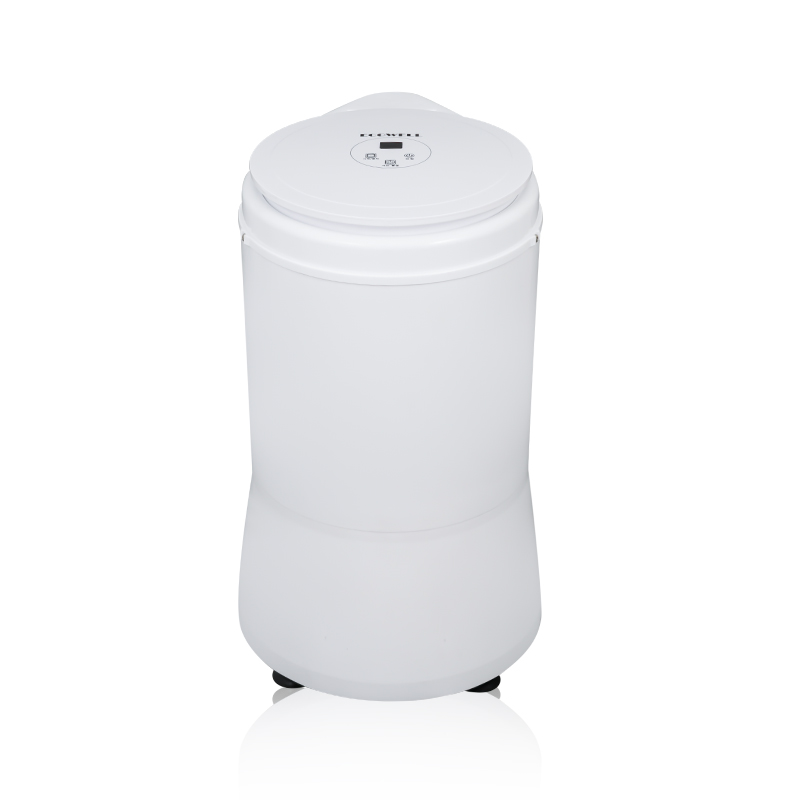
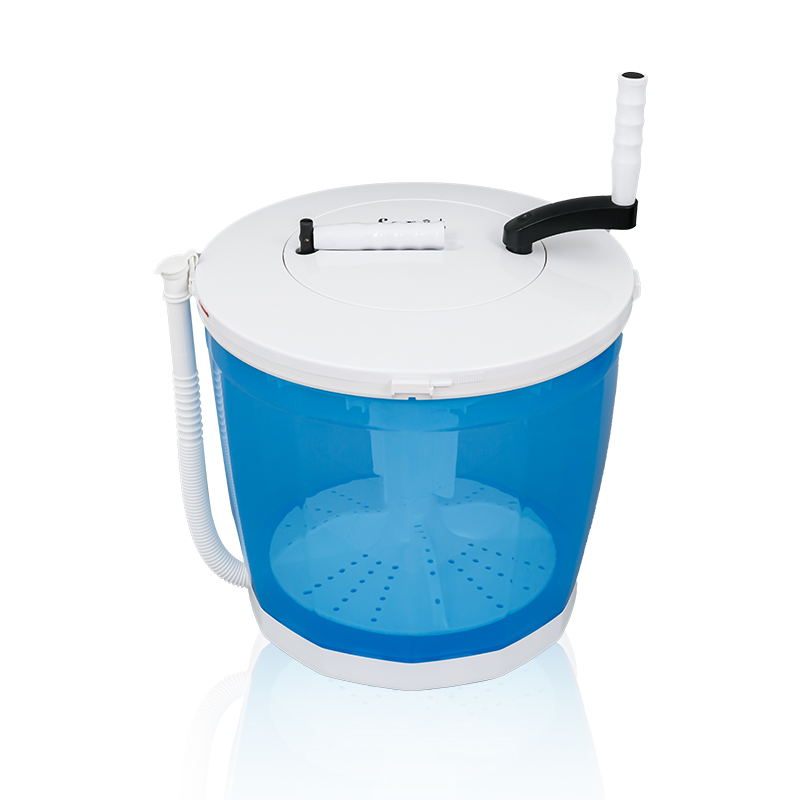
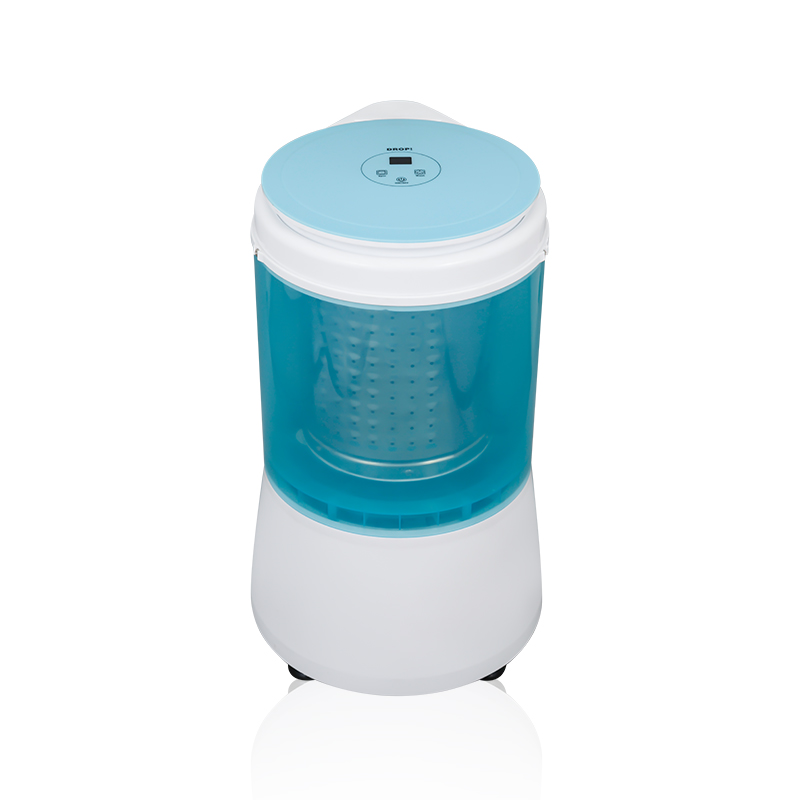
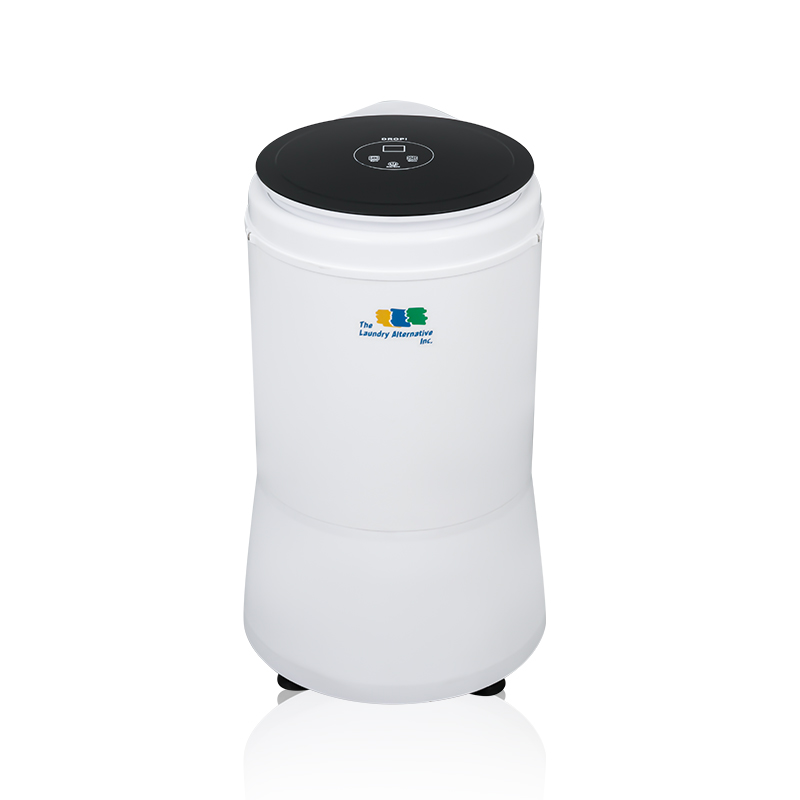
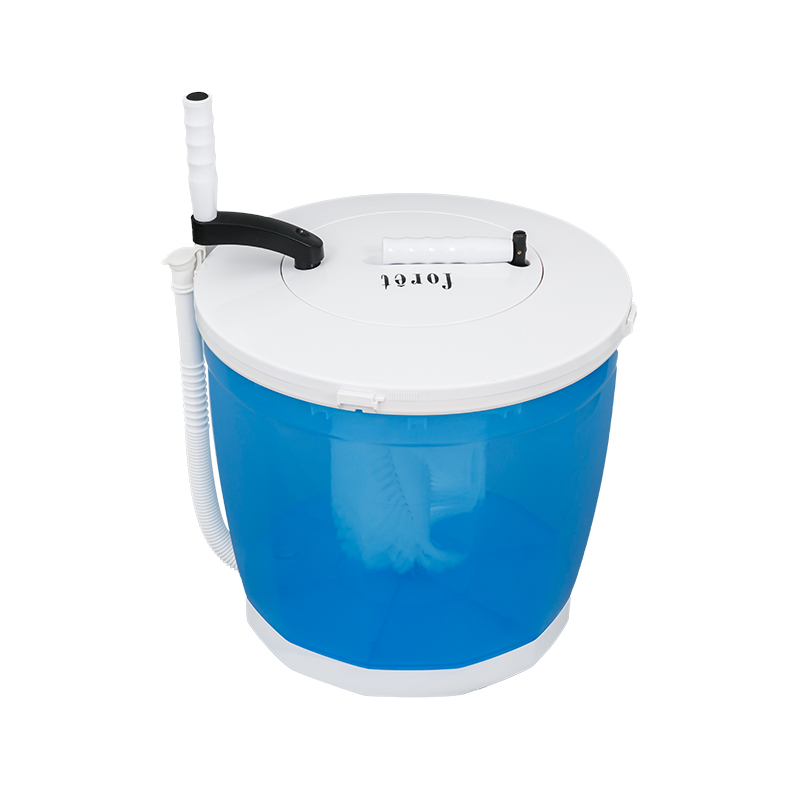
A hand clothes washing machine is a non-electric appliance engineered to clean textiles using human-powered agitation. Unlike the primitive washboards used by previous generations, modern manual washers utilize advanced physics—specifically centrifugal force and pressure-driven cleaning—to achieve results that rival electric cycles. For those used to modern luxury, you might wonder, “what is hand wash mode in washing machine?” Typically, that mode mimics gentle movement, but it still involves high water volume and mechanical risks. A dedicated manual machine gives you total control over that process.
The most effective versions of the hand clothes washing machine are based on a “pressure-canister” design. When the lid is sealed, the movement of the drum creates a pressurized environment inside the vessel. This pressure forces the detergent and water solution through the fabric fibers more effectively than a standard agitator.
If you are researching handwash how to techniques, you’ll find that manual machines are much more efficient than the “soak and scrub” method. The pressure helps release trapped dirt and oils without requiring you to scrub the fabric against itself, which is the primary cause of pilling and tearing. This makes it the ideal solution for hand washables that require a gentle touch but a deep clean.
For a manual machine to be “worth it,” it must withstand significant torque and repetitive motion. High-end models are constructed from HDPE (High-Density Polyethylene) or reinforced polypropylene. These materials are chosen for their high strength-to-density ratio, ensuring the machine remains lightweight for portability while being rugged enough to handle heavy denim or towels. For B2B suppliers, focusing on rust-proof stainless steel axles and UV-resistant plastics is key to longevity.
The primary appeal of the hand clothes washing machine lies in its total independence from the grid. This autonomy provides several distinct advantages for both the environment and the user’s wallet. When you have washed clothes by hand in the past, you likely realized how much water is wasted in a basin. These machines solve that problem through precision engineering.
In a world facing increasing utility costs, the hand clothes washing machine is a champion of resource management. A standard household washer can consume 15 to 40 gallons per load. A manual unit typically requires only 1.5 to 4 gallons, including the rinse cycle. This is a game-changer for off-grid cabins relying on solar battery banks, where preserving every Amp-hour is critical.
Furthermore, using a mild soap for hand washing clothes in these machines ensures that the “grey water” produced is often safer for the environment. Because the machine uses so little water, the concentration of soap is kept to a minimum, making the drainage process much simpler for those living in RVs or remote areas.
For those in “micro-apartments” or vans, every cubic inch of space is a premium. A hand clothes washing machine is often small enough to be stored in a shower stall or a kitchen cabinet. Unlike electric portables that need a dedicated faucet hookup and a high-volume drain, a manual washer can be filled with a jug and drained into a simple bucket. This simplifies hand wash washing tasks immensely, removing the need for complex plumbing or electrical permits.
To help you evaluate the ROI (Return on Investment), we have compared a professional-grade hand clothes washing machine with a standard 110V portable electric model.
| Feature | Hand Clothes Washing Machine | Portable Electric Washer |
|---|---|---|
| Power Dependency | 100% Human Powered | Requires AC Outlet/Generator |
| Average Load Time | 2 - 5 Minutes | 15 - 35 Minutes |
| Water Usage | 2 - 3 Gallons | 6 - 10 Gallons |
| Weight | ~5-8 lbs (Very Portable) | ~15-25 lbs (Stationary) |
| Mechanical Risk | Low (No motor/circuitry) | Moderate (Electrical failure) |
| Fabric Safety | Superior (User Controlled) | Variable (Mechanical Agitation) |
A common concern for buyers is the physical effort involved. Many ask for a handwash how to guide that doesn’t involve breaking a sweat. Modern gear ratios in manual washers make the turning or pedaling process very light. While it does require a few minutes of rhythmic movement, it is comparable to a light walk. For most users, the time saved by not going to a laundromat far outweighs the 120 seconds of physical effort required for a cycle.
Is a hand clothes washing machine worth it? The answer is a resounding yes, provided your needs align with its strengths. It is an exceptional tool for those who frequently have washed clothes by hand and want a more ergonomic, faster solution. It bridges the gap between the primitive washbasin and the wasteful electric machine.
By using the right mild soap for hand washing clothes and mastering the simple mechanical rhythm, you can achieve professional cleaning results anywhere in the world. Whether you are protecting hand washables or surviving off-grid, this machine represents a smart, “appropriate technology” solution for the 21st century.
Q1: What is hand wash mode in washing machine compared to a manual machine?
Q2: Can I machine wash hand wash clothes if I’m in a hurry?
Q3: What is the best mild soap for hand washing clothes in these machines?
Q4: Is it suitable for heavy items like jeans?
 No.62, Beiyihuan Road, Industry Area Zhangqi Town Cixi Ningbo China.
 13777243189
 +86-13777243189
 +86-0574-63809239
Copyright © Ningbo Changle Electric Appliance Co., Ltd. All Rights Reserved.