English
 中文简体
中文简体 Español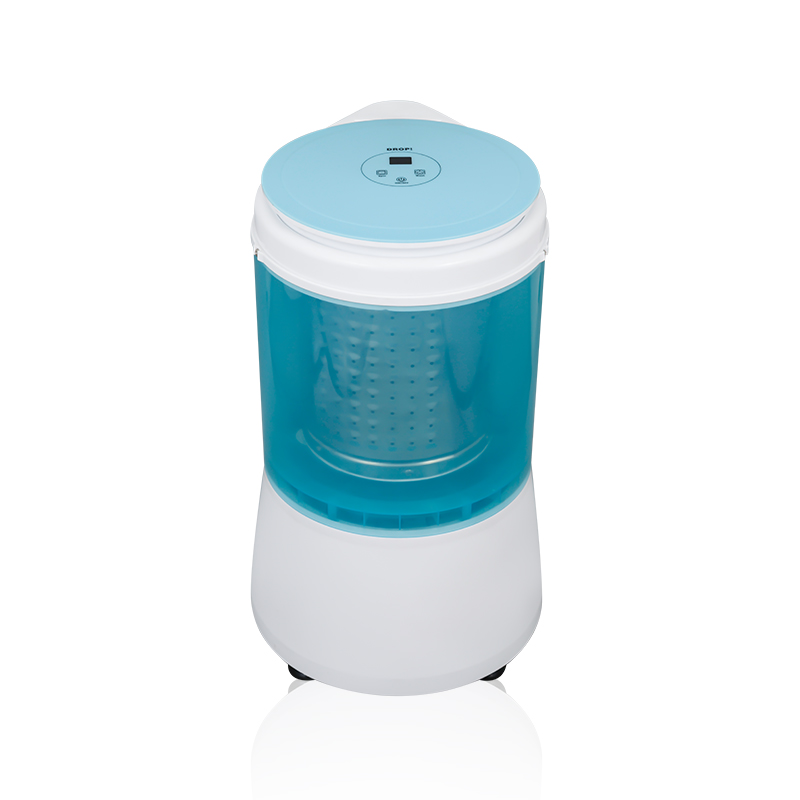
No.62, Beiyihuan Road, Industry Area Zhangqi Town Cixi Ningbo China.
Phone:+86-13777243189

CALL OR SEND E-MAIL
No.62, Beiyihuan Road, Industry Area Zhangqi Town Cixi Ningbo China.
Phone:+86-13777243189
Content
In today’s fast-paced lifestyle, the time required after washing—specifically drying clothes—has become an overlooked pain point for many households. For people living in apartments, dormitories, RVs, or small homes, air drying is often restricted by limited space, weather conditions, and poor ventilation. Clothes that come straight out of the wash can take several hours—or even an entire day—to fully dry if relying solely on natural evaporation, especially in cold or humid environments.
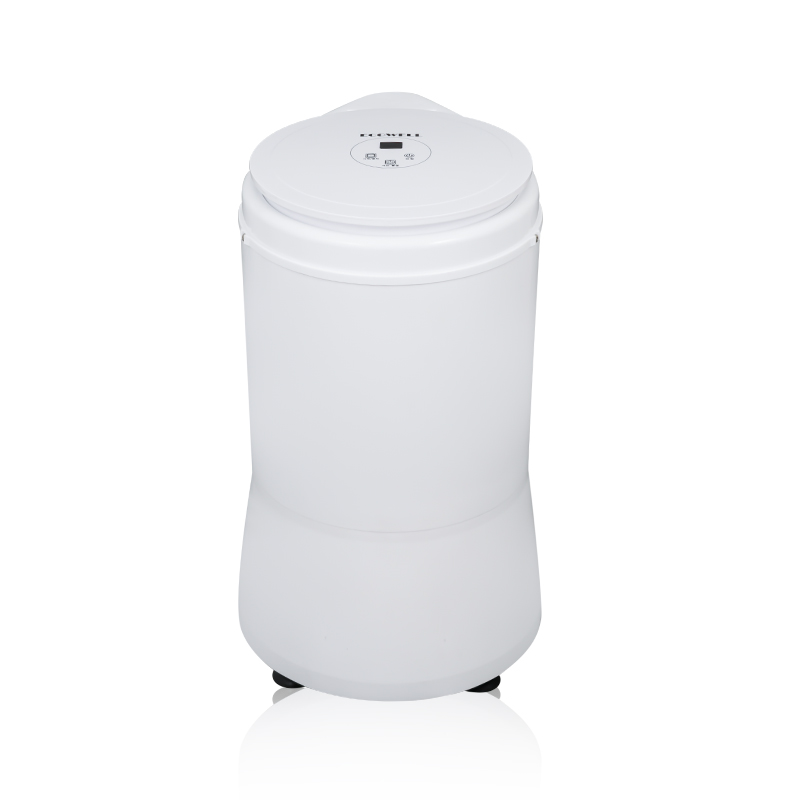
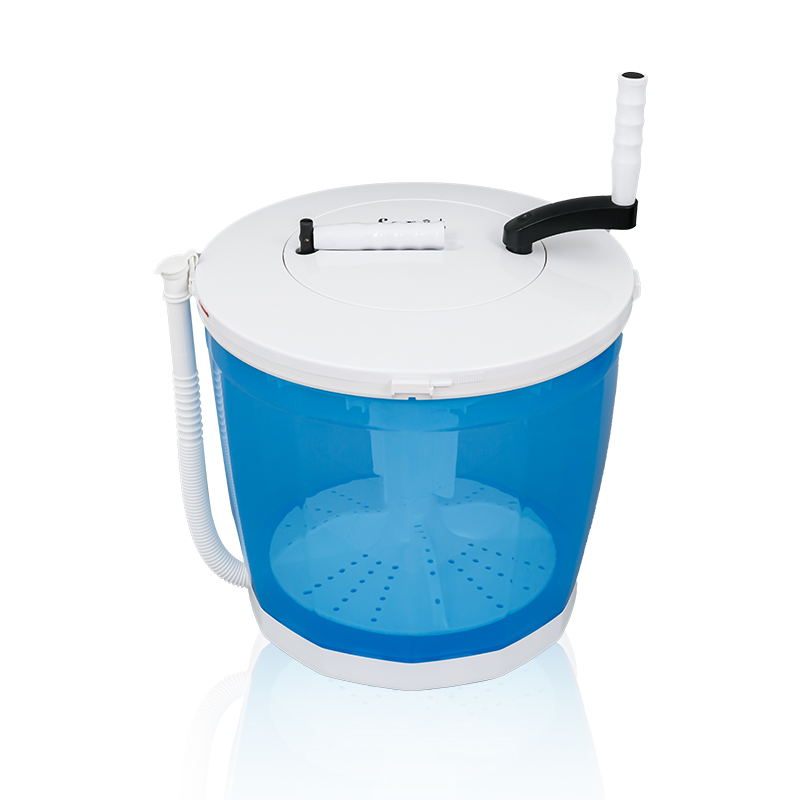
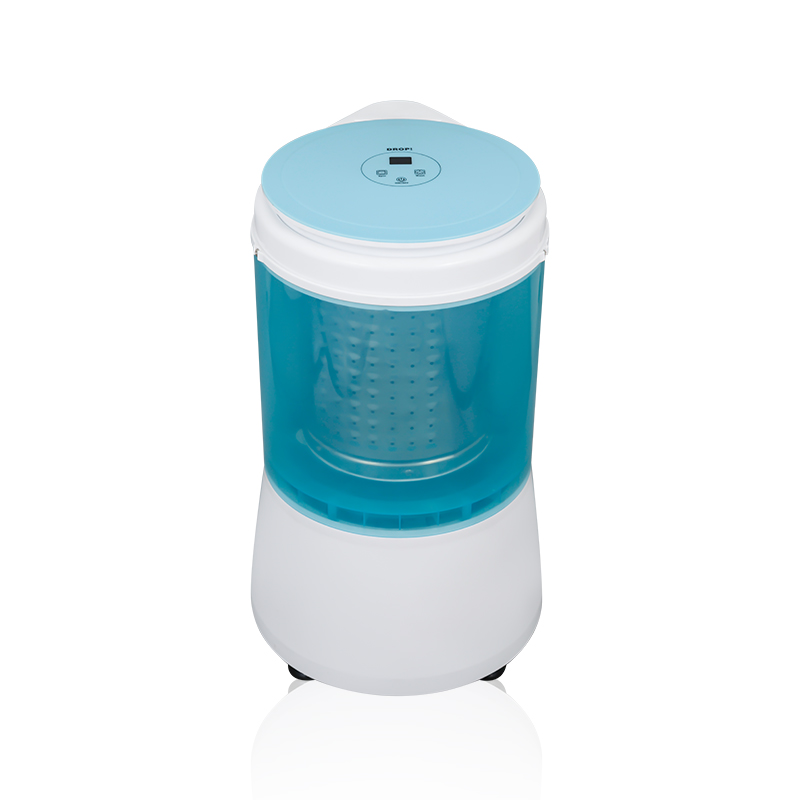
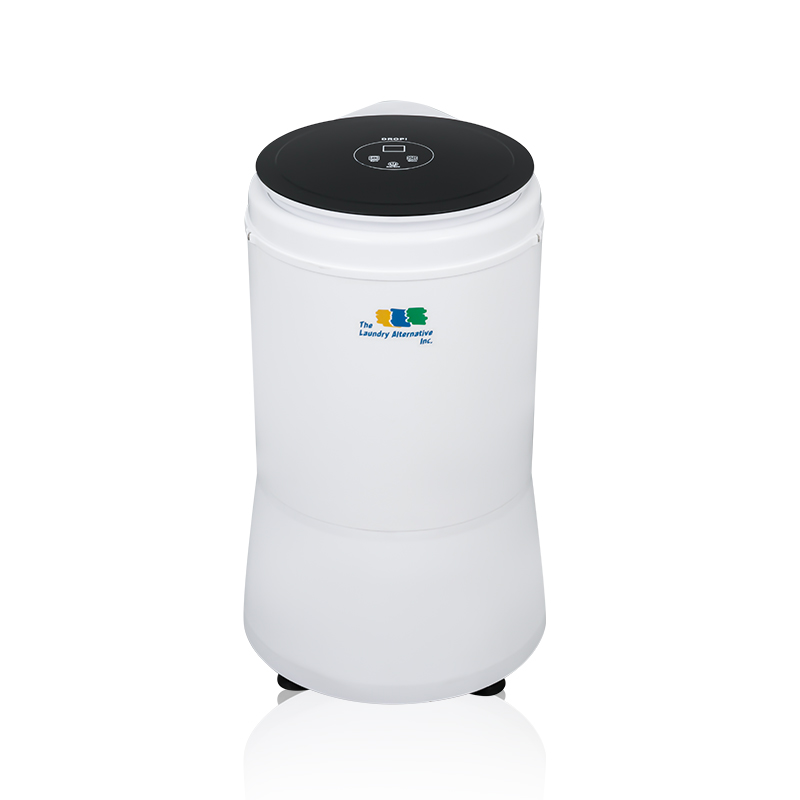
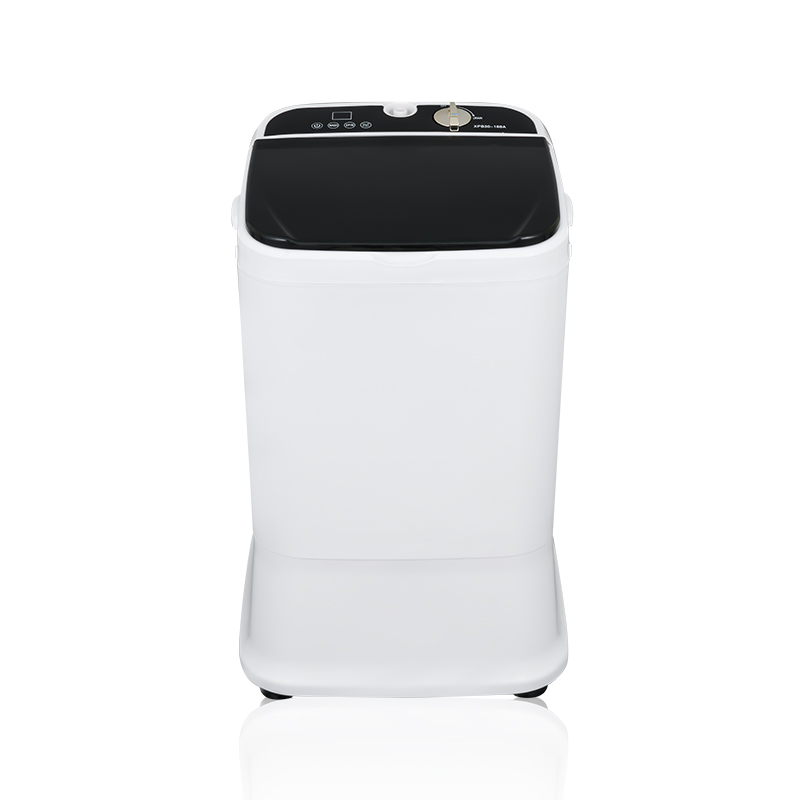
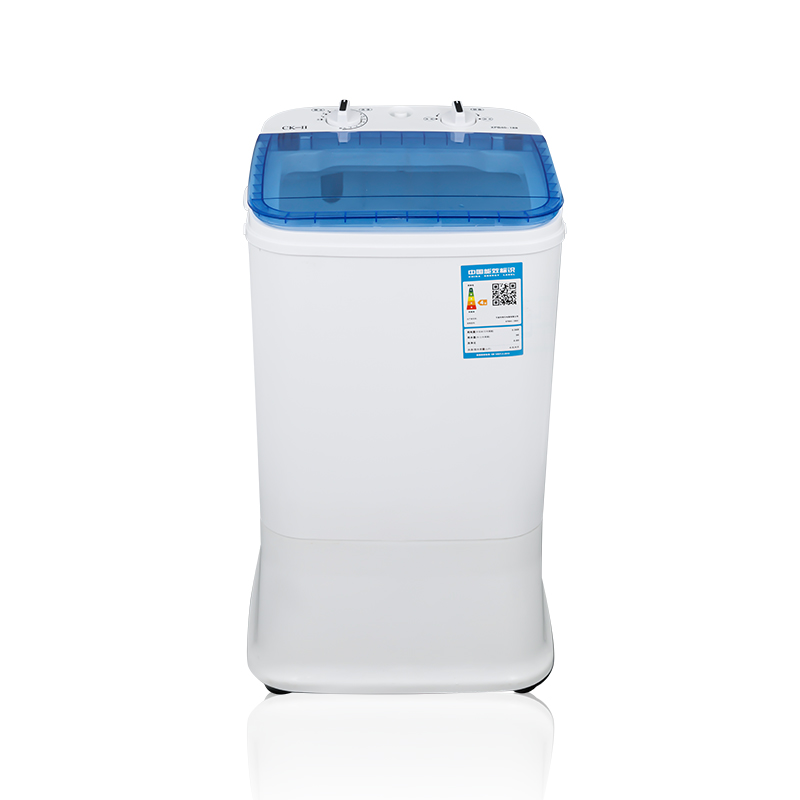
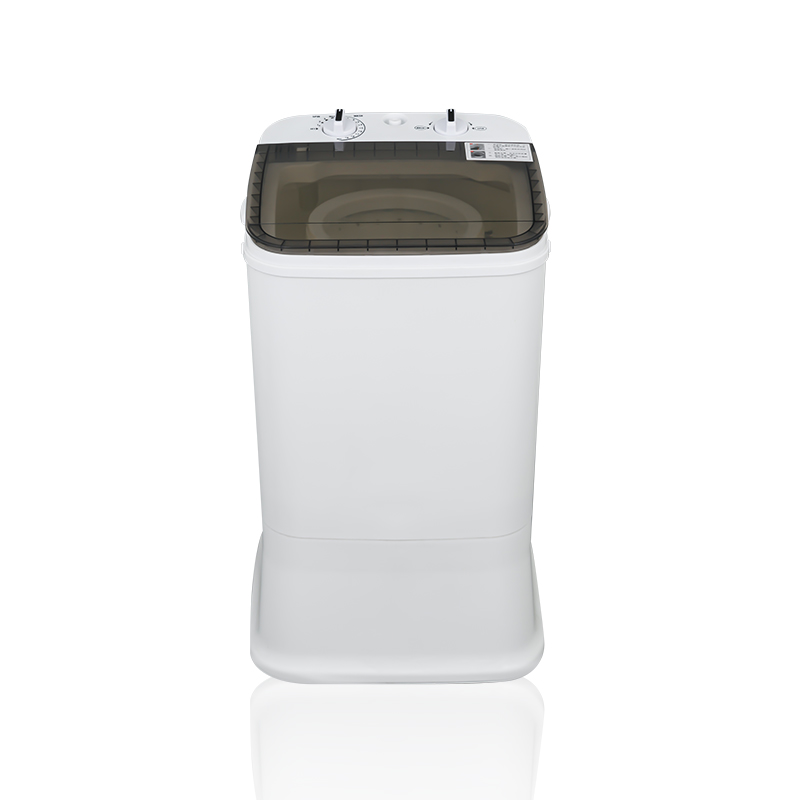
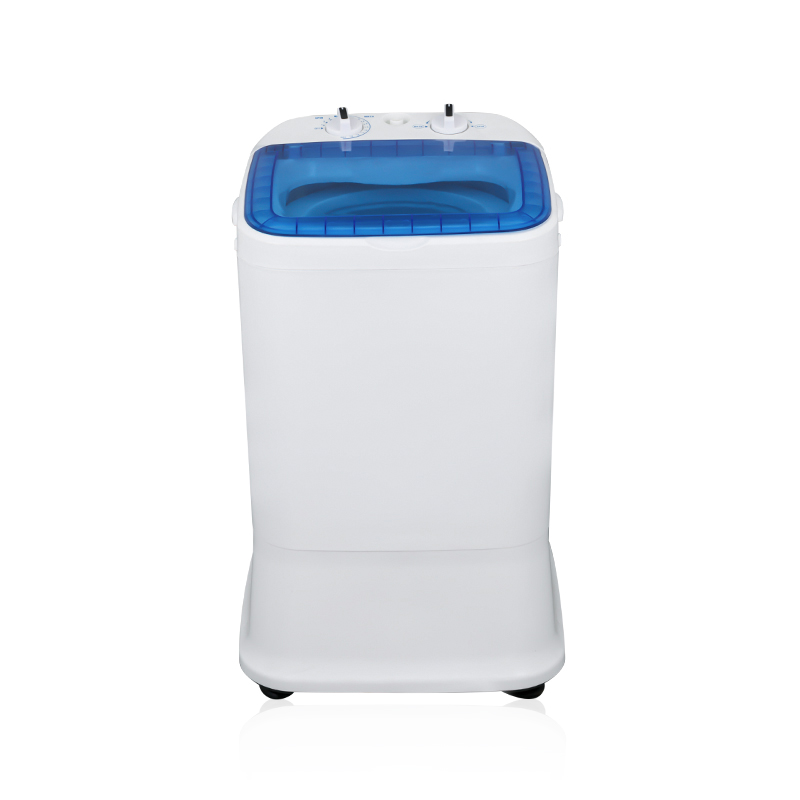
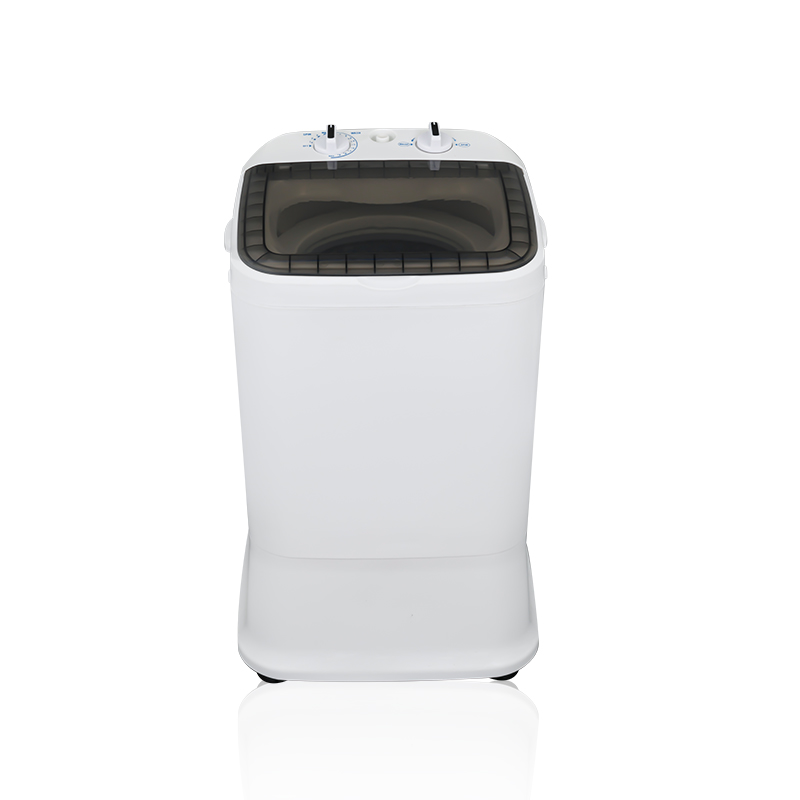
This uncertainty has led many consumers to look for more efficient yet space-saving alternatives, and the Mini Countertop Spin Dryer has emerged as a popular solution to address exactly this problem.
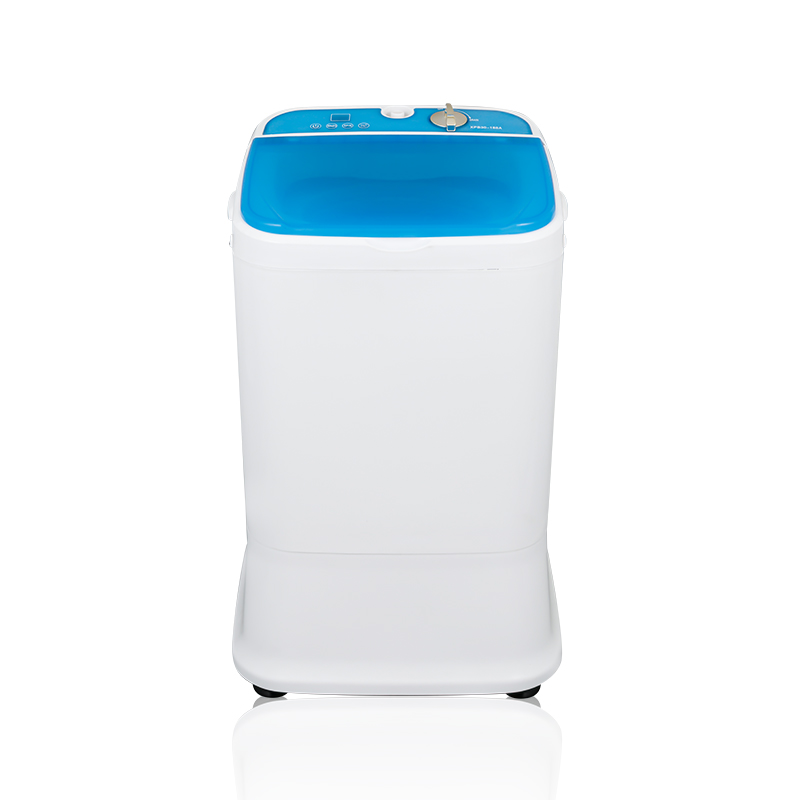
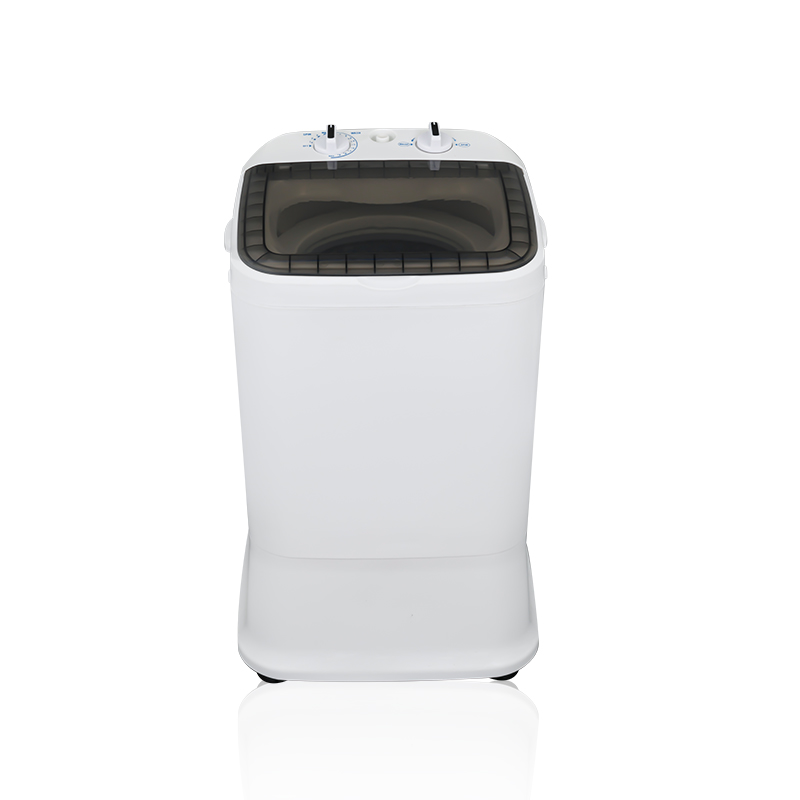
Unlike traditional tumble dryers that rely on heat, a Mini Countertop Spin Dryer works through high-speed centrifugal force. By spinning clothes at very high RPMs, the machine removes a large percentage of water—typically 60% to 80%—within just 2 to 5 minutes. Compared with standard washing machine spin cycles, these devices focus entirely on moisture extraction, making them especially effective for small loads such as underwear, socks, T-shirts, baby clothes, and activewear.
Although a spin dryer does not deliver clothes that are completely dry and warm, it dramatically reduces the amount of moisture that must later evaporate during air drying, which is the key factor in saving time.
When clothes are hung immediately after washing without any additional water extraction, they retain a very high moisture content. Air drying then depends heavily on environmental factors such as temperature, humidity, airflow, and fabric thickness. For example, indoors with average ventilation and high humidity, a cotton T-shirt may take 6–10 hours to dry completely, while jeans can take more than 24 hours.
After using a Mini Countertop Spin Dryer, however, the same garments are left damp rather than dripping wet. As a result, drying times are often reduced to 1–3 hours, demonstrating a clear and practical time advantage.
| Comparison Factor | Spin Dryer + Air Drying | Air Drying Only |
|---|---|---|
| Pre-treatment time | 2–5 minutes spin drying | None |
| Initial moisture level | Medium–low (no dripping) | High (dripping wet) |
| Indoor drying time | 1–3 hours | 6–24 hours |
| Dependence on weather | Low | High |
| Overall time predictability | High | Low |
When evaluating the entire process—from finishing a wash cycle to having clothes ready to wear—the advantage of a Mini Countertop Spin Dryer is not limited to shorter drying times alone. More importantly, it improves predictability and control. For office workers, gym-goers, parents with young children, or anyone who needs clean clothes within the same day, this reliability is extremely valuable.
You no longer need to worry about rainy weather, nighttime humidity, or insufficient indoor airflow delaying the drying process. While the spin dryer is not the final drying step, it acts as a powerful accelerator that significantly improves overall laundry efficiency.
That said, a Mini Countertop Spin Dryer is not essential for everyone. If you live in a house with ample outdoor space, strong sunlight, and good airflow, traditional air drying may already be efficient enough. However, the time-saving benefits are especially clear for the following groups:
Q1: Can a Mini Countertop Spin Dryer fully replace a tumble dryer?
A: No. It is designed for water extraction rather than heat drying, but it significantly shortens the subsequent air-drying time.
Q2: Will spin drying damage clothes?
A: When used properly and not overloaded, it is generally safe for most everyday garments and is often gentler than high-heat drying.
Q3: How long does one spin-drying cycle take?
A: Most cycles take between 2 and 5 minutes.
Q4: Is it energy-efficient?
A: Yes. Mini spin dryers typically consume much less electricity than traditional tumble dryers.
 No.62, Beiyihuan Road, Industry Area Zhangqi Town Cixi Ningbo China.
 13777243189
 +86-13777243189
 +86-0574-63809239
Copyright © Ningbo Changle Electric Appliance Co., Ltd. All Rights Reserved.