English
 中文简体
中文简体 Español
No.62, Beiyihuan Road, Industry Area Zhangqi Town Cixi Ningbo China.
Phone:+86-13777243189

CALL OR SEND E-MAIL
No.62, Beiyihuan Road, Industry Area Zhangqi Town Cixi Ningbo China.
Phone:+86-13777243189
Content
Against the global backdrop of promoting energy conservation, low-carbon living, and sustainable development, hand operated washing machines are gradually returning to the public eye. These machines do not rely on electricity yet are still capable of performing essential and effective laundry tasks, making them an important alternative solution for modern households, outdoor enthusiasts, and people living in special environments. Compared with traditional fully automatic washing machines, hand operated washing machines show clear differences in design philosophy, usage methods, and environmental impact.
Hand operated washing machines, as the name suggests, are laundry devices that rely entirely or primarily on human power. During operation, these machines do not require any electrical connection. Instead, users generate the necessary washing force through actions such as hand cranking, foot pedaling, plunging, or spinning, enabling washing, rinsing, and even basic water extraction.
From a functional perspective, the core principle of hand operated washing machines lies in the combination of mechanical motion and water flow. By operating external components such as handles, pedals, or plungers, users drive internal mechanisms to rotate, move up and down, or spin at high speed. This movement causes water and detergent to circulate continuously among the clothes, allowing dirt and stains to loosen and dissolve into the water through repeated physical friction and flushing.
Unlike traditional washing machines that rely on complex motors, control boards, and programmed cycles, hand operated washing machines feature a much simpler structure. They are typically composed of a washing drum, transmission mechanism, operating components, and drainage system. This simplified design not only reduces the risk of mechanical failure but also allows users to directly control the washing process, including washing time, agitation intensity, and water usage.
In practical use, hand operated washing machines are especially suitable for small loads, delicate garments, underwear, and baby clothes. For users who place a high value on garment care, manual operation can help prevent fiber damage caused by excessive mechanical force often associated with electric washing machines.
| Feature | Description |
| No electricity required | Operates entirely on human power, ideal for off-grid or power-limited environments |
| Simple structure | Mechanical design is straightforward, resulting in low maintenance and repair costs |
| Controlled water usage | Users can freely adjust water volume according to laundry load |
| High portability | Compact size and lightweight design make it easy to transport and store |
Thanks to these characteristics, hand operated washing machines are widely used in scenarios such as camping, RV travel, student dormitories, rental apartments, and remote areas.
In the early stages of human society, laundry was almost entirely done by hand. People typically washed clothes by rivers, lakes, or wells using methods such as rubbing, beating, and soaking. While simple, these methods were time-consuming, labor-intensive, and physically demanding.
With the development of the Industrial Revolution, attempts were made to reduce the physical burden of washing through mechanical assistance. In the mid-to-late 19th century, early hand-cranked washing devices and drum-style washing barrels began to appear. These devices, often made of wood or metal, can be considered early prototypes of modern hand operated washing machines. By turning a handle, users could rotate the internal drum, allowing clothes to tumble in water.
In the early 20th century, as electricity became more widely available, electric washing machines gradually entered household life. Compared with manual devices, electric washers offered significant advantages in efficiency and convenience, leading to rapid adoption in urban households. As a result, traditional hand operated washing equipment was once regarded as outdated and gradually faded from the mainstream market.
However, in rural areas, developing regions, and locations with unstable power supply, hand operated washing machines continued to exist and evolve to meet local needs. During this period, improvements in durability and practicality allowed these machines to remain relevant despite the dominance of electric alternatives.
In the 21st century, growing global awareness of environmental protection, energy efficiency, and sustainable lifestyles has created new opportunities for the revival of hand operated washing machines. Modern designs place greater emphasis on ergonomics, material upgrades, and user experience, incorporating features such as high-strength plastics, stainless steel bearings, and more efficient transmission systems.
At the same time, the rise of outdoor recreation, minimalist living, and off-grid lifestyles has positioned hand operated washing machines as products that combine practical functionality with lifestyle philosophy. They are not merely laundry tools, but also symbols of conscious choices regarding resource conservation and living habits.
The evolution of hand operated washing machines reflects humanity’s ongoing effort to balance technological progress with natural resource preservation. From purely manual washing to mechanically assisted solutions and modern eco-friendly designs, hand operated washing machines are re-entering modern life with renewed relevance and purpose.
Hand operated washing machines have gained increasing attention in recent years as people seek more eco-friendly, cost-effective, and flexible laundry solutions. Especially in regions with limited resources or for users who value sustainability and portability, these manual devices offer practical advantages over traditional electric washing machines. Below, we explore the key benefits in detail, covering environmental impact, convenience, and economic value.
One of the most significant advantages of hand operated washing machines lies in their contribution to environmental protection. As global awareness of water scarcity and energy consumption grows, manual laundry solutions provide a responsible alternative.
Compared to conventional automatic washing machines, hand operated models typically use significantly less water. Traditional washers are designed for larger loads and often consume excessive amounts of water per cycle, even when washing small quantities of clothing. In contrast, hand operated washing machines allow users to control exactly how much water is used based on the load size.
This level of control makes them especially suitable for areas experiencing water shortages, rural communities, off-grid living situations, and environmentally conscious households. Because the washing process relies on manual agitation rather than automated filling and draining cycles, water is used more efficiently and effectively. Users can reuse rinse water for other household purposes, such as cleaning floors or watering plants, further enhancing water conservation.
Hand operated washing machines function entirely without electricity. This is a major advantage in terms of energy savings and carbon emission reduction. Conventional washing machines rely on electrical power not only for agitation but also for control systems, sensors, and sometimes water heating, all of which increase energy demand.
By eliminating the need for electricity, manual washing machines help reduce dependence on fossil fuels and lower household carbon footprints. They are an excellent choice for users committed to sustainable living, as well as for locations where electricity supply is unreliable or unavailable. In emergency situations, natural disasters, or remote outdoor environments, the ability to wash clothes without power becomes especially valuable.
Another major benefit of hand operated washing machines is their exceptional portability and adaptability to various living situations.
Hand operated washing machines are typically designed with a compact and lightweight structure. Unlike bulky electric washers that require permanent installation, these machines can be easily carried, stored, or packed away when not in use. This makes them particularly popular among campers, RV travelers, boat owners, and people living in small apartments or dormitories.
For outdoor enthusiasts, being able to wash clothes while camping or traveling helps maintain hygiene without relying on laundromats or campground facilities. Students and urban residents with limited space also benefit from having a laundry solution that fits easily in a closet or under a sink.
Hand operated washing machines feature simple mechanical designs, which makes them easy to operate for users of all ages. Most models involve straightforward actions such as turning a crank, pressing a foot pedal, or rotating a drum. There is no need to understand complex digital interfaces or settings.
Maintenance is also minimal. Without electronic components, motors, or complex plumbing systems, the risk of mechanical failure is greatly reduced. Cleaning and upkeep usually involve rinsing the drum and checking basic parts, which saves both time and repair costs over the long term.
Affordability is another important reason why many consumers choose hand operated washing machines over traditional electric models.
Manual washing machines generally come at a much lower purchase price compared to automatic washers. This makes them accessible to a wide range of users, including students, low-income households, and people setting up temporary living arrangements.
Because they do not require installation, special electrical connections, or plumbing modifications, users can avoid additional setup expenses. The simplicity of the design also contributes to longer product lifespan and fewer costly repairs.
One of the most appealing long-term benefits is the reduction in monthly utility costs. By eliminating electricity usage and minimizing water consumption, hand operated washing machines help users significantly lower their water and energy bills.
Over time, these savings can be substantial, especially for households that do laundry frequently. For off-grid users or those relying on generators or solar power, reducing energy demand also improves overall efficiency and reliability.
| Aspect | Hand Operated Washing Machine | Electric Washing Machine |
| Water Usage | Low and user-controlled | High and pre-programmed |
| Electricity Requirement | None | Required |
| Portability | Highly portable and compact | Bulky and stationary |
| Maintenance Cost | Minimal | Higher due to complex components |
| Initial Cost | Affordable | Relatively expensive |
In summary, hand operated washing machines offer a compelling combination of environmental benefits, convenience, and economic savings. Whether used as a primary laundry solution or as a backup option for travel and emergencies, they provide a practical and sustainable alternative to conventional washing machines.
Hand operated washing machines are gaining popularity among users who seek eco-friendly, portable, and cost-effective laundry solutions. Unlike conventional electric washing machines, these devices rely entirely on human power, making them ideal for off-grid living, camping, small apartments, RVs, dormitories, and emergency situations. Below, we will explore the main types of hand operated washing machines in detail, explaining how each type works, along with their advantages and disadvantages.
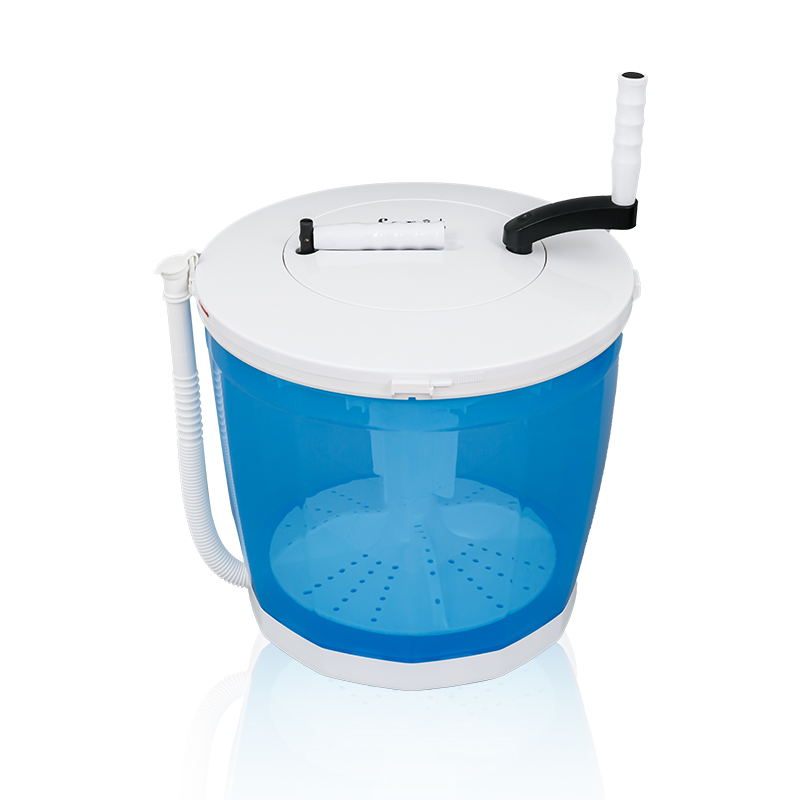
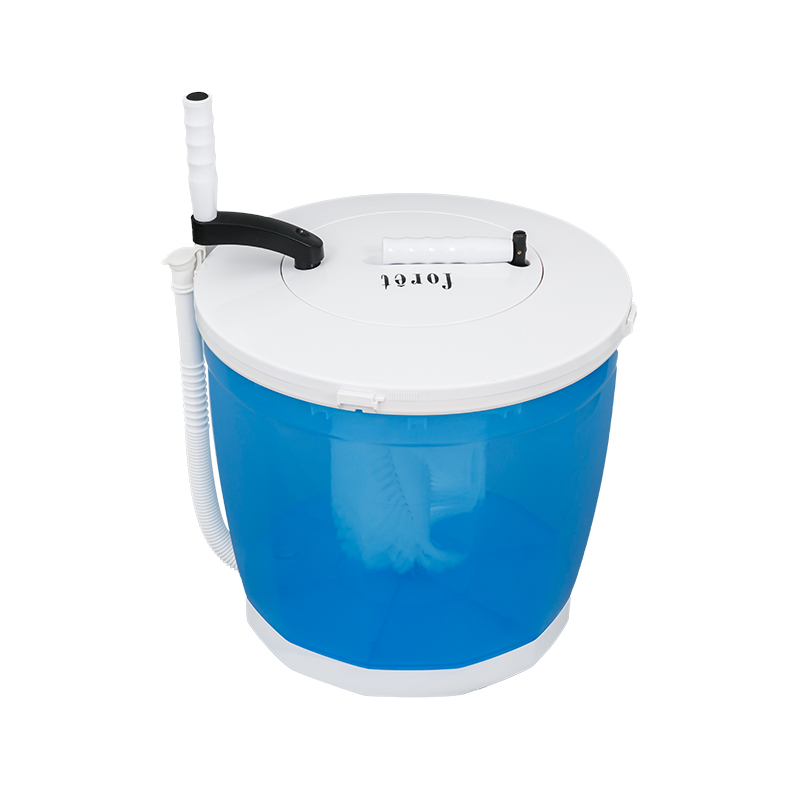
The agitator type hand operated washing machine functions in a way that is conceptually similar to traditional electric top-loading washers. Inside the washing drum, there is a central agitator—usually a vertical paddle or fin-like structure. When the user turns a rotating handle or hand crank, the agitator moves back and forth or rotates, causing the clothes to swirl through soapy water.
This mechanical agitation loosens dirt and stains by forcing water and detergent through fabric fibers. The movement mimics the scrubbing action of hand washing but does so more evenly and efficiently. Most agitator-type machines are designed with a sealed drum to minimize water splashing and to allow continuous cranking without interruption.
Pros:
Cons:
Agitator-type hand operated washing machines are best suited for individuals or small households that need reliable cleaning without access to electricity. They strike a good balance between cleaning efficiency and ease of use.
The plunger type hand operated washing machine is one of the most basic and traditional forms of manual laundry devices. It consists of a washing container and a vertical plunger with perforations or fins. To wash clothes, the user repeatedly pushes the plunger up and down, forcing water and detergent through the fabric.
This up-and-down motion creates turbulence in the water, simulating the manual scrubbing action used when washing clothes by hand. The effectiveness of the wash largely depends on the user’s strength and consistency. Because of its minimal structure, the plunger type has very few moving parts.
Pros:
Cons:
Plunger-type washing machines are particularly popular in developing regions, disaster relief scenarios, and among campers. While they may not offer the highest efficiency, their simplicity and affordability make them a practical choice for basic laundry needs.
Spin-type hand operated washing machines use centrifugal force to clean and partially dry clothes. These machines typically feature a cylindrical drum connected to a hand crank or foot pedal. When the user turns the crank or pedals, the drum spins rapidly, causing clothes to press against the drum walls.
During washing, the spinning action moves water and detergent through the fabrics, lifting dirt away from fibers. One of the standout features of spin-type machines is their ability to extract water effectively. After washing, users can continue spinning the drum to remove excess water, significantly reducing drying time.
Pros:
Cons:
Spin-type hand operated washing machines are ideal for users who prioritize quick drying and efficiency. They are commonly used in RVs, boats, and small urban apartments where space and energy consumption are critical concerns.
| Type | Cleaning Efficiency | Physical Effort | Water Extraction | Typical Use Case |
| Agitator Type | High | Moderate | Low | Daily small-load laundry |
| Plunger Type | Low to Moderate | High | Very Low | Camping, emergency use |
| Spin Type | Moderate | Low to Moderate | High | RVs, boats, small apartments |
Selecting the right hand operated washing machine depends on several practical factors. Understanding your personal laundry habits, physical comfort, and living environment will help ensure you make a well-informed decision.
Capacity is one of the most important factors to consider. If you typically wash small loads such as T-shirts, underwear, and baby clothes, a compact plunger or agitator type may be sufficient. For users who need to wash jeans, towels, or multiple garments at once, choosing a machine with a larger drum capacity is essential to avoid repeated wash cycles.
The materials used in construction directly affect the lifespan of the washing machine. High-quality plastics are lightweight and corrosion-resistant, while stainless steel components offer superior durability and hygiene. If you plan to use the machine frequently or outdoors, prioritizing robust materials will ensure long-term reliability.
Ease of operation can significantly impact your overall experience. Look for machines with ergonomic handles, smooth cranking mechanisms, and stable bases. These features reduce fatigue and make the washing process more comfortable, especially for elderly users or those with limited strength.
Before purchasing, measure the available space in your home, RV, or storage area. Some hand operated washing machines are collapsible or stackable, making them ideal for tight spaces. Ensuring a proper fit will improve convenience and encourage regular use.
Hand operated washing machines offer a versatile and sustainable solution for modern laundry challenges. By understanding the different types and evaluating key selection criteria, users can choose a model that aligns perfectly with their lifestyle, environmental values, and practical needs.
Choosing the right hand operated clothes washer is an important decision, especially for users who rely on manual laundry solutions for daily living, travel, or emergency use. Unlike electric washing machines, a hand operated washer depends entirely on human power, which means factors such as capacity, material quality, ease of operation, and space requirements play a much more critical role in overall satisfaction.
Capacity is often the first factor buyers consider when selecting a hand operated clothes washer. Capacity refers to how many garments or how much fabric the machine can effectively wash in one cycle. Because manual washing requires physical effort, choosing the right size can significantly impact both efficiency and comfort.
If you typically wash small items such as underwear, socks, baby clothes, or lightweight shirts, a compact hand operated washer with a smaller drum capacity may be ideal. These models are easier to operate, require less water, and reduce physical strain. They are especially popular among campers, backpackers, and individuals living alone.
On the other hand, users who regularly wash heavier items such as jeans, towels, or workwear should consider a larger-capacity portable hand operated washing machine. While larger models require more effort per cycle, they reduce the total number of washing sessions needed, ultimately saving time and energy. Families or long-term off-grid users often find that a medium to large capacity unit offers the best balance.
It is also important to avoid overloading. Overfilling a hand operated clothes washer reduces washing efficiency and increases wear on internal components. Always choose a model that comfortably accommodates your typical laundry load rather than pushing a smaller unit beyond its intended capacity.
The materials used in a hand operated washer directly affect its durability, hygiene, and long-term performance. Since these machines often operate in wet environments and may be used outdoors, material selection is especially critical.
High-quality plastics are commonly used in portable hand operated washing machines due to their lightweight nature and resistance to rust. When choosing a plastic model, look for thick, reinforced plastic that can withstand repeated manual force without cracking or deforming. Inferior plastics may save cost initially but often fail after extended use.
Some premium hand operated clothes washers incorporate stainless steel components, particularly in the inner drum or agitator. Stainless steel offers superior strength, better resistance to odors, and improved hygiene compared to plastic alone. It is especially beneficial for users who wash clothes frequently or deal with heavily soiled garments.
Durability also includes the quality of seals, handles, and moving parts. A well-built hand operated washer should have smooth joints, sturdy fasteners, and reliable mechanical connections. Investing in durable materials reduces maintenance needs and ensures consistent performance over time.
Ease of use is a crucial consideration because manual washing requires repeated physical motion. An ergonomically designed hand operated clothes washer can greatly reduce fatigue and make laundry tasks more manageable.
Look for models with ergonomic handles that fit comfortably in the hand and allow for a natural range of motion. Smooth cranking or plunging mechanisms help minimize resistance and prevent jerky movements that can strain wrists and shoulders. For spin-type machines, foot pedals may further reduce upper-body fatigue.
Stability is another important aspect of usability. A portable hand operated washing machine should have a non-slip base or wide support structure to prevent tipping during operation. This is particularly important when washing heavier loads or using the machine on uneven surfaces such as outdoor ground or RV floors.
Ease of assembly and cleaning should not be overlooked. Some hand operated washers feature detachable components that simplify rinsing and drying after use. A design that allows easy drainage and access to the interior will improve hygiene and reduce odors over time.
| Feature | Why It Matters | Best For |
| Small Capacity | Less effort, easy portability | Travelers, single users |
| Medium to Large Capacity | Fewer wash cycles, higher efficiency | Families, long-term use |
| Stainless Steel Parts | Durability and hygiene | Frequent washing |
| Ergonomic Design | Reduced fatigue | Elderly users, daily use |
Space considerations are especially important for users who choose a hand operated washer due to limited living areas. Whether you live in a small apartment, RV, boat, dormitory, or off-grid cabin, the physical dimensions of the machine must align with your available space.
Before purchasing, measure both the storage space and the area where the machine will be used. Some portable hand operated washing machines are designed to be collapsible or stackable, making them ideal for compact environments. These designs allow users to store the washer in a closet or under a sink when not in use.
Weight is another factor related to space and portability. A lightweight hand operated clothes washer is easier to move, transport, and reposition. This is particularly beneficial for campers and travelers who may need to carry the washer frequently.
Additionally, consider water access and drainage space. Even the most compact hand operated washer requires enough room for filling and draining water safely. Ensuring proper space for these activities will prevent spills and make the washing process more efficient.
Using a hand operated clothes washer may feel unfamiliar at first, especially for users accustomed to fully automatic machines. However, once you understand the process, operating a hand operated washer becomes simple, efficient, and even satisfying. This step-by-step guide will walk you through the entire workflow—from preparation to drying—helping you get the best results from your portable hand operated washing machine while saving water, energy, and space.
Proper preparation is the foundation of effective manual washing. Taking a few extra minutes before you begin will improve cleaning results, protect your clothing, and reduce physical effort during washing.
Just like with electric washing machines, sorting clothes is essential when using a hand operated clothes washer. Mixing incompatible garments can lead to color bleeding, fabric damage, or uneven cleaning.
Start by separating clothes by color. Wash whites, light colors, and dark colors in separate loads to prevent dye transfer. This is especially important in a portable hand operated washing machine because manual agitation concentrates clothes more closely together, increasing the risk of color bleeding.
Next, sort by fabric type. Lightweight items such as T-shirts, underwear, and baby clothes should be washed separately from heavier items like jeans, towels, or jackets. Washing similar fabrics together ensures even agitation and prevents delicate items from being overstressed during the washing process.
Finally, check garment labels and pockets. Remove coins, keys, or other hard objects that could damage the interior of the hand operated washer. Pre-treat visible stains if necessary, as manual washing works best when stains are addressed early.
Once clothes are sorted, the next step is adding water and detergent. Fill the hand operated clothes washer with an appropriate amount of water based on the load size. Overfilling can reduce agitation efficiency, while too little water may prevent clothes from moving freely.
Water temperature should match fabric requirements. Cold or lukewarm water is usually sufficient for most loads and helps conserve energy. Hot water can be used sparingly for heavily soiled items if the machine and fabric allow it.
Choose an eco-friendly detergent designed to dissolve easily and produce minimal suds. Excessive foam can make rinsing more difficult in a hand operated washer. Add detergent according to the manufacturer’s recommendation, keeping in mind that manual washing typically requires less detergent than automatic machines.
After adding water and detergent, gently mix them before inserting clothes. This ensures even detergent distribution and prevents concentrated detergent from damaging fabrics.
The washing stage is where the hand operated clothes washer truly demonstrates its effectiveness. Manual control allows you to adjust intensity based on fabric type and soil level.
Different types of hand operated washers use different agitation methods, but the goal remains the same: to move water and detergent through fabric fibers to loosen dirt and stains.
For crank or agitator-based machines, turn the handle steadily and rhythmically. Avoid rapid, jerky movements, as consistent motion is more effective and less tiring. Most loads require several minutes of continuous agitation, with short breaks if needed.
For plunger-style washers, use a controlled up-and-down motion. Fully submerge the plunger to maximize water movement through the clothes. For spin-type portable hand operated washing machines, maintain a smooth spinning speed to generate sufficient centrifugal force.
The duration of agitation depends on fabric thickness and soil level. Lightly soiled clothes may need only a few minutes, while heavier items benefit from longer agitation or a brief soaking period between cycles.
After washing, drain the dirty water completely. Proper drainage is essential to prevent detergent residue from remaining in the clothes. Many hand operated washers feature built-in drain outlets or removable lids to simplify this step.
Refill the machine with clean water for rinsing. Agitate or spin the clothes again to remove remaining soap. In some cases, especially with thicker fabrics, a second rinse may be beneficial to ensure all detergent is removed.
Spin-type hand operated clothes washers offer a significant advantage during this stage. Continued spinning after rinsing helps extract excess water, reducing drying time. For non-spin models, gently pressing clothes against the side of the drum can help release additional water.
| Step | Purpose | Tips |
| Sorting | Prevent damage and color bleeding | Group by color and fabric |
| Washing | Remove dirt and stains | Use steady, consistent motion |
| Rinsing | Eliminate detergent residue | Repeat if water remains cloudy |
| Spinning | Extract excess water | Spin longer for heavy fabrics |
Drying is the final step in the manual washing process and plays a crucial role in maintaining fabric freshness and longevity. Proper drying techniques also help prevent odors and mildew.
After removing clothes from the hand operated washer, gently shake each garment to loosen wrinkles and improve airflow. This simple step can significantly reduce drying time and improve the appearance of clothes once dry.
Hang clothes in a well-ventilated area whenever possible. Outdoor drying in sunlight is ideal, as natural UV rays help eliminate bacteria and odors. When outdoor drying is not an option, choose an indoor space with good air circulation.
Avoid overcrowding clothes on a line or rack. Spacing garments apart allows air to circulate freely, speeding up evaporation. For thicker items like towels or jeans, turning them midway through drying can further improve results.
If you frequently use a portable hand operated washing machine, consider investing in a foldable drying rack. These racks are compact, lightweight, and easy to store, making them a perfect complement to manual washing systems.
Proper maintenance and care are essential to ensure that your hand operated clothes washer continues to perform efficiently over time. Unlike electric machines, a hand operated washer relies on simple mechanical structures and manual force, which means regular upkeep can greatly enhance reliability, hygiene, and longevity. Whether you use a portable hand operated washing machine occasionally during travel or as a primary laundry solution, following consistent maintenance practices will help you avoid common problems and maximize the machine’s service life.
Cleaning is the most fundamental aspect of maintaining a hand operated clothes washer. Because these machines operate with water and detergent, residual moisture and soap can build up over time if not properly addressed. This buildup may lead to unpleasant odors, mold growth, or reduced cleaning efficiency.
After completing a wash cycle, always rinse the interior of the hand operated washer thoroughly with clean water. Make sure to flush out any remaining detergent, lint, or fabric fibers that may cling to the drum, agitator, or plunger. Even small detergent residues can harden over time and interfere with smooth operation.
For a portable hand operated washing machine, rinsing is especially important because compact designs tend to have tighter spaces where residue can accumulate. Pay close attention to corners, drainage outlets, and seals, as these areas are most prone to buildup.
Once rinsed, allow the hand operated clothes washer to dry completely before storage. Leaving moisture inside the machine creates an ideal environment for mold and bacteria, which can cause persistent odors and hygiene issues.
Whenever possible, leave the lid open and place the machine in a well-ventilated area. For outdoor or travel use, briefly exposing the washer to sunlight can further help eliminate moisture and naturally reduce odor-causing bacteria. Proper drying is a simple yet highly effective way to maintain freshness.
In addition to routine rinsing, perform a deeper cleaning on a regular basis, especially if the hand operated washer is used frequently. Fill the machine with warm water and add a small amount of mild vinegar or baking soda. Agitate or spin the washer for several minutes, then drain and rinse thoroughly.
This process helps dissolve mineral deposits, neutralize odors, and remove hidden detergent residue. Avoid harsh chemical cleaners, as they may damage plastic components or rubber seals commonly found in hand operated clothes washers.
Even with proper care, occasional issues may arise during the use of a hand operated washer. Understanding common problems and their causes allows you to address them quickly without unnecessary repairs or replacements.
If you notice that clothes are not coming out as clean as expected, reduced cleaning efficiency is often the result of insufficient agitation. This may occur if the washer is overloaded or if agitation is too brief or inconsistent.
To resolve this issue, reduce the load size and ensure that clothes can move freely inside the drum. Increase agitation time or intensity, depending on fabric type. For heavily soiled items, consider pre-soaking before washing to enhance results. A properly loaded hand operated clothes washer should allow water and detergent to circulate evenly.
Leaks are another common issue and are often caused by improper sealing or overfilling. Check all lids, drain plugs, and seals to ensure they are correctly positioned and free from debris. Even small fabric fibers can prevent seals from closing properly.
Avoid filling the hand operated washer beyond its recommended water level. Overfilling increases internal pressure during agitation or spinning, which can force water out through weak points. For portable hand operated washing machines, always place the unit on a flat, stable surface to prevent tipping-related leaks.
If the handle, plunger, or spinning mechanism becomes stiff or noisy, this may indicate dirt buildup or lack of lubrication in moving parts. Rinse mechanical components thoroughly and inspect for trapped debris.
In some models, applying a small amount of food-grade or manufacturer-approved lubricant to joints can restore smooth motion. Never force the mechanism, as excessive pressure can cause long-term damage to the hand operated washer.
| Issue | Possible Cause | Solution |
| Poor Cleaning Results | Overloading or weak agitation | Reduce load and increase agitation |
| Water Leaks | Improper sealing or overfilling | Check seals and water level |
| Unpleasant Odors | Residual moisture or detergent | Rinse and dry thoroughly |
| Stiff Operation | Dirt buildup or dry joints | Clean and lightly lubricate |
With consistent care, a hand operated clothes washer can remain functional for many years. Because these machines have fewer electronic components, their longevity largely depends on user habits and maintenance routines.
Establishing a regular cleaning schedule helps prevent long-term damage. Inspect the machine periodically for cracks, loose fasteners, or worn seals. Addressing minor issues early prevents them from developing into major problems that could shorten the life of the hand operated washer.
When not in use, store the portable hand operated washing machine in a dry, shaded area. Prolonged exposure to direct sunlight can weaken plastic components, while damp storage conditions promote mold growth. If the washer is collapsible, ensure it is fully dry before folding and storing.
One of the most effective ways to extend the lifespan of a hand operated clothes washer is to avoid overloading. Excess weight places unnecessary strain on handles, plungers, and spinning mechanisms. Follow manufacturer guidelines regarding load size and fabric type.
Additionally, use the machine only for its intended purpose. Avoid washing items with sharp edges or excessive dirt that could damage internal surfaces. Treating the hand operated washer with care ensures consistent performance and reduces the likelihood of premature failure.
When choosing a laundry solution, many users find themselves comparing a hand operated clothes washer with a traditional electric washing machine. Each option has its own strengths and limitations, and the right choice depends on lifestyle, location, budget, and environmental priorities. In this section, we will explore the key differences between a hand operated washer and conventional washing machines, focusing on features, environmental impact, and overall cost to help you make an informed decision.
The most noticeable difference between hand operated and traditional washing machines lies in how they function. Traditional machines rely on electricity, automated cycles, and complex internal systems, while a hand operated clothes washer depends entirely on manual power and simple mechanical movement.
Traditional washing machines are designed for convenience. Users simply load clothes, add detergent, select a program, and let the machine handle washing, rinsing, and spinning automatically. This level of automation is ideal for large households with frequent laundry needs.
In contrast, a hand operated washer offers full manual control. Users determine the intensity and duration of washing, rinsing, and spinning. While this requires physical effort, it also allows greater flexibility. Delicate garments can be handled gently, while heavily soiled items can receive additional agitation. Many users appreciate this hands-on approach, especially when using a portable hand operated washing machine in environments where electricity is unavailable.
Traditional washing machines generally offer large capacities, making them suitable for washing bulky items such as blankets, curtains, and large family loads. However, their size and weight make them stationary appliances that require dedicated installation space.
A hand operated clothes washer typically has a smaller capacity, which is better suited for daily essentials and small loads. The compact size of a portable hand operated washing machine makes it easy to store, transport, and use in confined spaces such as apartments, RVs, boats, dormitories, or temporary shelters.
Electric washing machines contain motors, control boards, sensors, and pumps. While these components enable advanced features, they also increase the risk of mechanical failure and expensive repairs.
By comparison, a hand operated washer features a simple mechanical design with fewer moving parts. This simplicity translates into greater reliability, easier maintenance, and longer service life when properly cared for. Users who value durability often prefer the straightforward construction of a hand operated clothes washer.
Environmental considerations are increasingly influencing consumer choices, and this is an area where hand operated washing machines have a clear advantage over traditional models.
Traditional washing machines require electricity for every cycle, contributing to household energy use and carbon emissions. Even energy-efficient models still depend on a consistent power supply, which may not be available in all regions.
A hand operated washer, on the other hand, uses zero electricity. All washing, rinsing, and spinning actions are powered by the user. This makes a hand operated clothes washer an ideal choice for off-grid living, emergency preparedness, and environmentally conscious households seeking to reduce their carbon footprint.
Conventional washing machines are designed to handle large loads, which often results in higher water consumption per cycle. While modern machines have improved efficiency, they still use significantly more water than manual alternatives.
A portable hand operated washing machine uses only the amount of water needed for the specific load. Because users manually fill and drain the washer, water usage is more controlled and intentional. This leads to reduced waste and makes hand operated washers particularly suitable for areas with limited water resources.
The simpler construction of a hand operated clothes washer also contributes to sustainability. Fewer electronic components mean less electronic waste at the end of the product’s life cycle. Additionally, the durability of these machines reduces the need for frequent replacements.
| Aspect | Hand Operated Washer | Traditional Washing Machine |
| Electricity Usage | None | Required |
| Water Consumption | Low and controlled | Moderate to high |
| Portability | High | Very low |
| Maintenance Complexity | Low | High |
Cost is another major factor when comparing a hand operated clothes washer with a traditional washing machine. Both upfront investment and long-term expenses should be considered.
Traditional washing machines represent a significant initial investment. In addition to the appliance itself, installation costs, delivery fees, and potential electrical or plumbing upgrades can further increase expenses.
In contrast, a hand operated washer is far more affordable. Most portable hand operated washing machines are available at a fraction of the cost of electric models. This makes them an attractive option for students, travelers, renters, and households on a tight budget.
Operating a traditional washing machine involves ongoing expenses such as electricity, water, and specialized detergents. Over time, these costs can add up significantly, especially in regions with high utility rates.
A hand operated clothes washer has minimal operating costs. With no electricity usage and lower water consumption, monthly expenses are greatly reduced. Maintenance costs are also lower due to the machine’s simple design and lack of electronic components.
While traditional washing machines offer convenience and capacity, their long-term value can be affected by repair costs and eventual replacement. Mechanical or electronic failures often require professional service.
A hand operated washer provides excellent long-term value through durability, low operating costs, and versatility. For users who prioritize portability, sustainability, and cost efficiency, a portable hand operated washing machine offers a practical and economical solution.
The global shift toward sustainability, energy independence, and minimalist living is reshaping how people view everyday household appliances. Within this context, the hand operated clothes washer is no longer seen as a niche or temporary solution but as a practical, forward-looking alternative to traditional electric machines. As technology, materials, and consumer awareness continue to evolve, the future of the hand operated washer looks increasingly promising, especially for eco-conscious users and those seeking flexible, low-impact lifestyles.
Modern innovation is transforming the traditional concept of manual washing. Manufacturers are investing in research and development to make the portable hand operated washing machine more efficient, comfortable, and durable, without compromising its core advantages of simplicity and independence from electricity.
One of the most significant trends in the evolution of the hand operated clothes washer is the focus on ergonomics. Early manual washers often required awkward movements and considerable physical effort, limiting their appeal to a broader audience. Today, manufacturers are redesigning handles, plungers, and pedals to follow natural body movements.
Ergonomic hand cranks with non-slip grips, optimized lever lengths, and smoother rotation mechanisms are becoming standard features. These improvements reduce strain on wrists, shoulders, and backs, making the hand operated washer more accessible to elderly users and those with limited physical strength. Foot-powered systems are also gaining popularity, as they distribute effort more evenly across the body.
Water extraction has traditionally been a challenge for manual washing devices. In response, manufacturers are developing more efficient spinning and compression mechanisms that significantly improve water removal after washing and rinsing.
Modern portable hand operated washing machines increasingly feature enhanced centrifugal spinning systems that extract more water with less effort. Some designs incorporate dual-function drums that combine washing and spinning, while others use improved drainage channels to speed up water release. These advancements reduce drying time, making manual washers more practical for daily use.
Material innovation is another key trend shaping the future of the hand operated clothes washer. Manufacturers are moving beyond basic plastics and incorporating reinforced polymers, corrosion-resistant metals, and high-quality stainless steel components.
These materials not only increase durability but also enhance hygiene and resistance to wear. At the same time, there is a growing emphasis on using recyclable and environmentally responsible materials. This aligns the hand operated washer with broader sustainability goals and reduces its environmental impact throughout its lifecycle.
As urban living spaces become smaller, compactness is a critical design consideration. Future hand operated washers are increasingly modular, collapsible, or stackable, allowing users to customize their setup based on available space.
Some portable hand operated washing machine designs are now engineered to serve multiple purposes, such as functioning as storage containers or water buckets when not in use. This multifunctional approach enhances value and makes manual washers even more appealing for minimalist lifestyles.
| Innovation Area | Key Improvement | User Benefit |
| Ergonomics | Smoother handles and pedals | Reduced physical strain |
| Water Extraction | Enhanced spinning systems | Shorter drying time |
| Materials | Reinforced and recyclable components | Longer lifespan |
| Design | Compact and modular structures | Better space efficiency |
Beyond technological improvements, the future importance of the hand operated clothes washer is closely tied to its role in sustainable living. As global awareness of climate change, energy consumption, and resource scarcity increases, consumers are actively seeking solutions that reduce environmental impact.
One of the most compelling advantages of a hand operated washer is its complete independence from electricity. In a world facing rising energy costs and increasing strain on power grids, this feature is more relevant than ever.
By eliminating electricity usage, the hand operated clothes washer helps households reduce carbon emissions and utility bills. This makes it an attractive option not only for off-grid communities but also for urban users who want to supplement their existing appliances with a low-energy alternative.
Water scarcity is becoming a critical issue in many regions. Because a portable hand operated washing machine uses only the water the user manually adds, it encourages mindful consumption. Users become more aware of how much water they use per load and often adjust habits to minimize waste.
This conscious approach contrasts with traditional machines, which automatically fill to preset levels regardless of actual load size. Over time, using a hand operated washer can contribute to significant water savings.
As extreme weather events and power outages become more common, emergency preparedness is an increasingly important consideration for households. A hand operated clothes washer provides a reliable laundry solution during emergencies when electricity or running water may be unavailable.
For this reason, many households now include a portable hand operated washing machine as part of their emergency supplies. Its ability to function independently makes it a valuable tool in disaster response and recovery scenarios.
The growing popularity of off-grid living, tiny homes, and minimalist lifestyles has further strengthened the relevance of the hand operated washer. These lifestyles prioritize simplicity, self-sufficiency, and reduced environmental impact.
A hand operated clothes washer aligns perfectly with these values by offering a practical way to maintain cleanliness without relying on complex infrastructure. As more people seek alternatives to energy-intensive appliances, manual washers are likely to become a standard feature in eco-friendly households.
A hand operated clothes washer is a manual laundry device that uses physical power—such as cranking, plunging, or spinning—to wash clothes without electricity. It is compact, portable, and ideal for off-grid or eco-conscious households.
Unlike traditional electric washing machines, a hand operated washer requires manual effort for agitation and spinning. While traditional machines offer automation and high capacity, manual washers excel in portability, energy efficiency, and simplicity.
The most common types include agitator-type (crank or handle), plunger-type (vertical plunging motion), and spin-type (manual crank or foot pedal for spinning). Each type has specific advantages depending on load size and user preference.
Regular cleaning, thorough rinsing, drying after each use, and avoiding overloading are key practices. Inspect seals, handles, and moving parts periodically, and use mild cleaning agents to prevent residue buildup and odors.
Yes. A portable hand operated washing machine consumes no electricity and uses less water compared to conventional machines. This makes it highly suitable for eco-friendly households and water- or energy-conscious users.
While hand operated washers can handle medium loads, overloading can reduce cleaning efficiency and increase physical effort. They are best suited for small to moderate loads, delicate fabrics, or daily essentials.
Portable models are lightweight, compact, and easy to store or transport. They are ideal for RVs, camping, small apartments, dormitories, and emergency preparedness scenarios.
 No.62, Beiyihuan Road, Industry Area Zhangqi Town Cixi Ningbo China.
 13777243189
 +86-13777243189
 +86-0574-63809239
Copyright © Ningbo Changle Electric Appliance Co., Ltd. All Rights Reserved.