English
 中文简体
中文简体 Español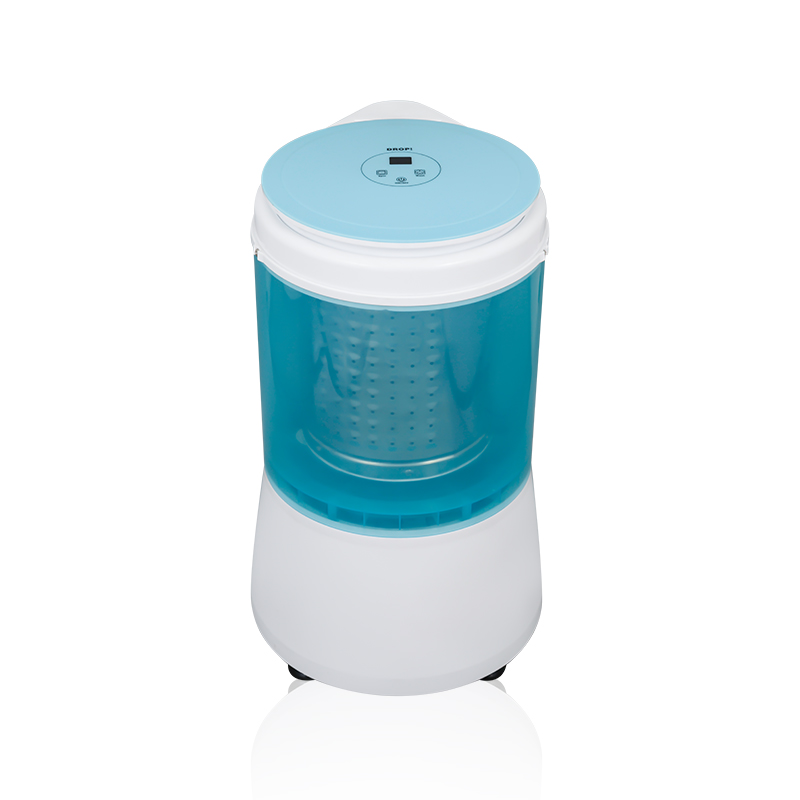
No.62, Beiyihuan Road, Industry Area Zhangqi Town Cixi Ningbo China.
Phone:+86-13777243189

CALL OR SEND E-MAIL
No.62, Beiyihuan Road, Industry Area Zhangqi Town Cixi Ningbo China.
Phone:+86-13777243189
Content
Choosing how to dry your most precious garments is just as important as knowing how to wash delicate clothes by hand. If you’ve invested in high-end silks, lace, or athletic gear, the last thing you want is to ruin them during the drying process. In the battle of Mini Countertop Spin Dryer vs. Hand Wringing, the winner isn’t just about speed—it’s about fiber integrity.
When we talk about handwashing clothing, we often focus on the soap and the water temperature. We spend time learning how to hand-wash clothes with detergent and exactly how long to soak clothes when hand-washing (usually 15–30 minutes, for those wondering). However, the most “dangerous” moment for a garment is when it is soaking wet.
Many people think that to wash clothes by hand means you must also wring them by hand. Manual wringing involves a mechanical “twisting” motion. When fabric fibers are wet, they are at their most vulnerable state. Twisting forces the fibers to stretch beyond their elastic limit, often leading to permanent sagging, snapped threads in lace, or a loss of shape in knits.
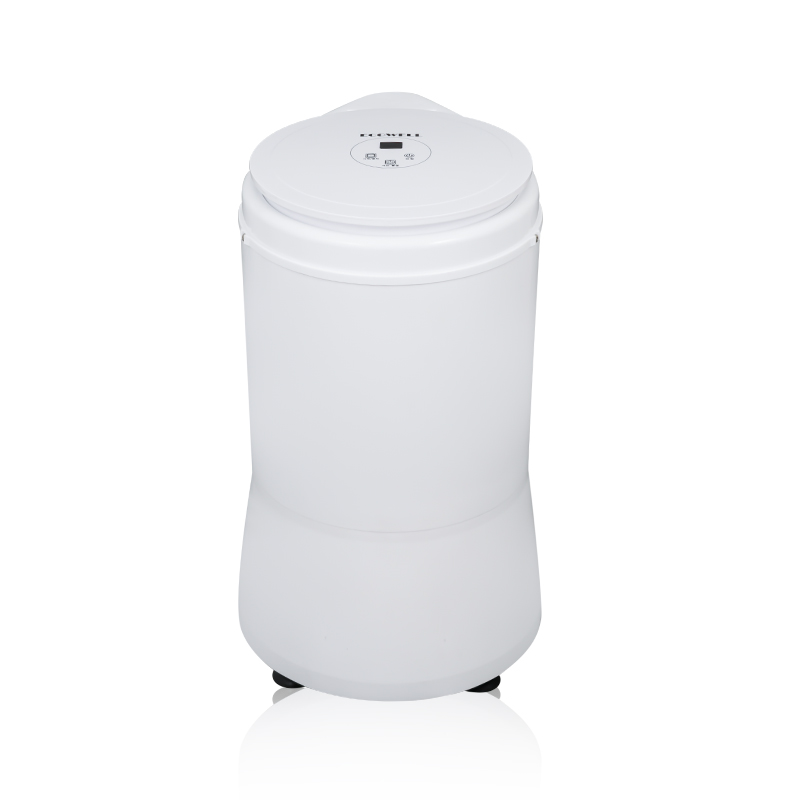
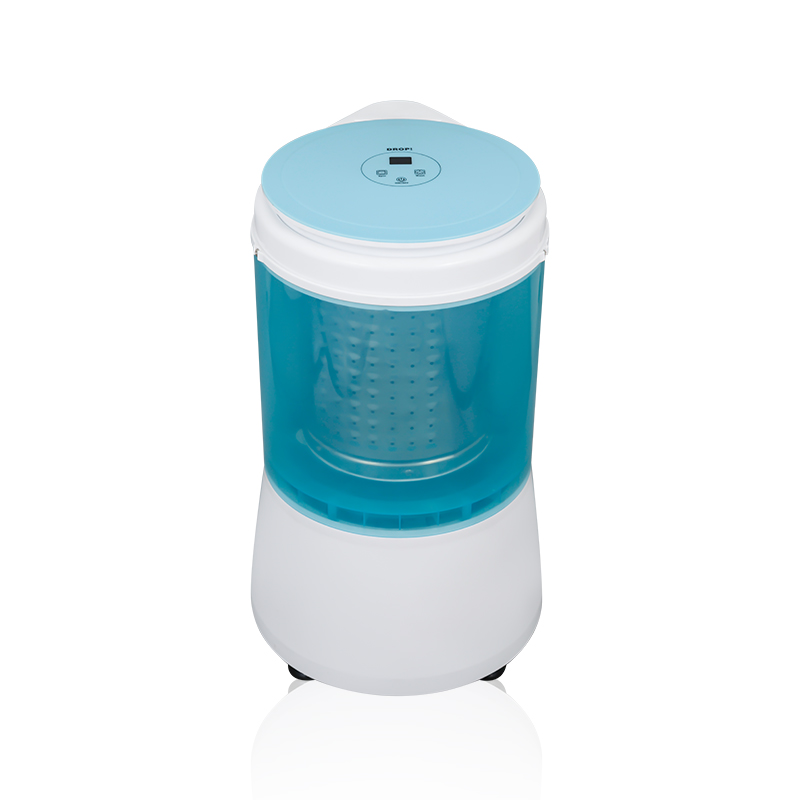
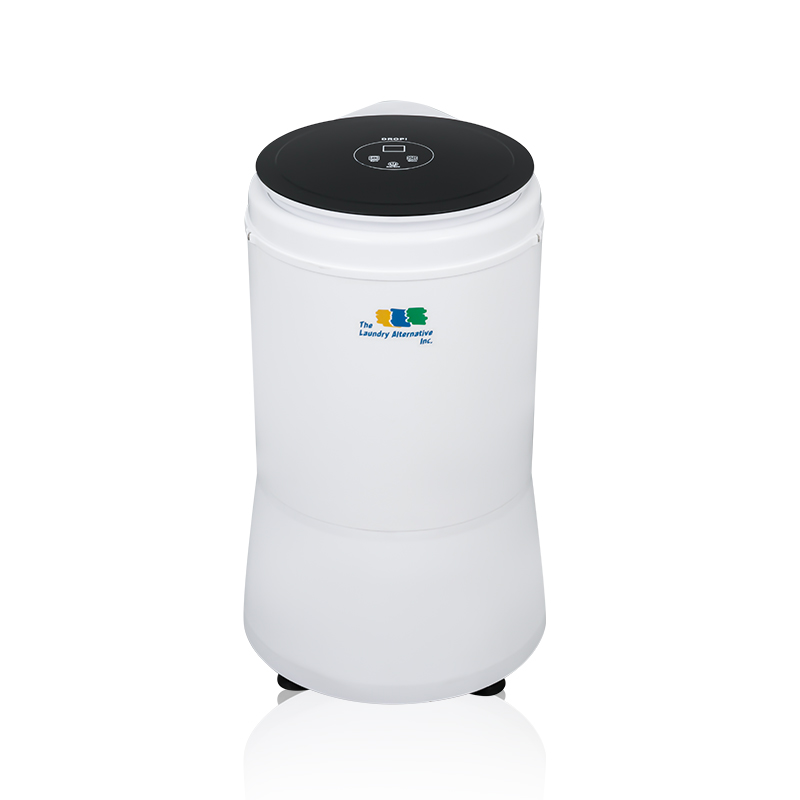
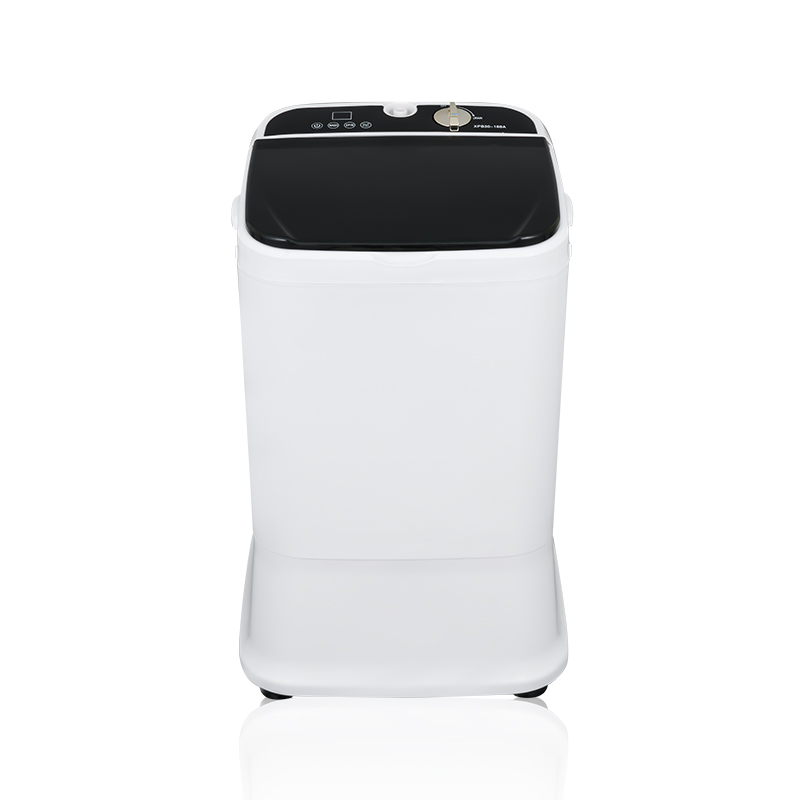
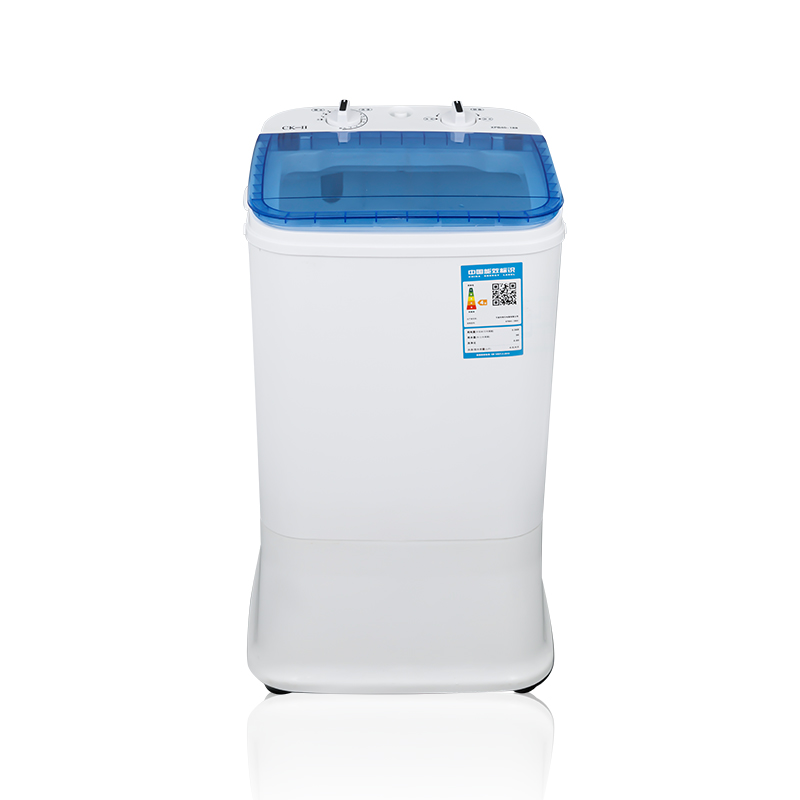
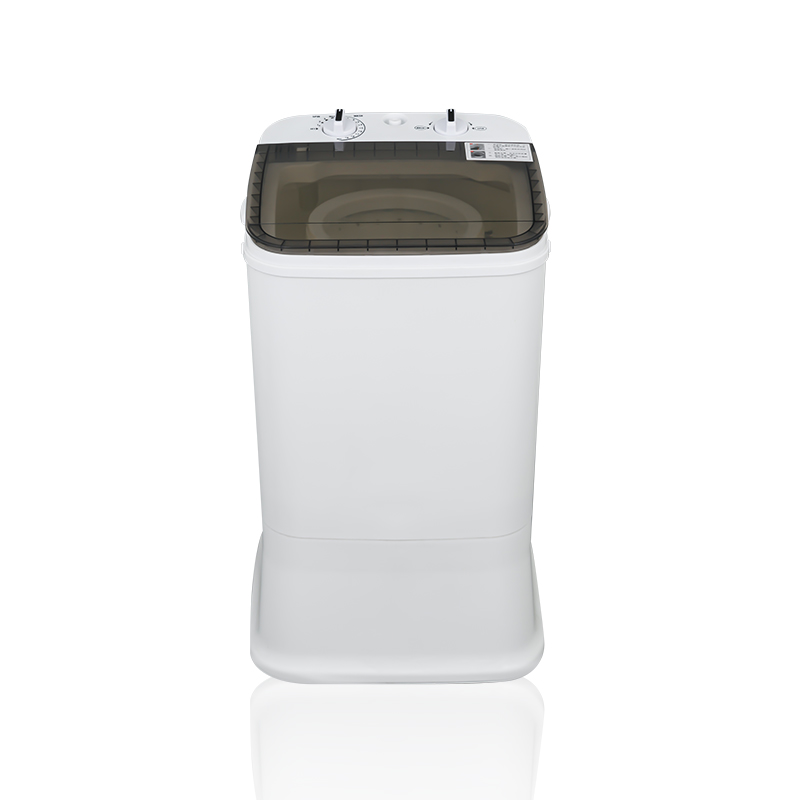
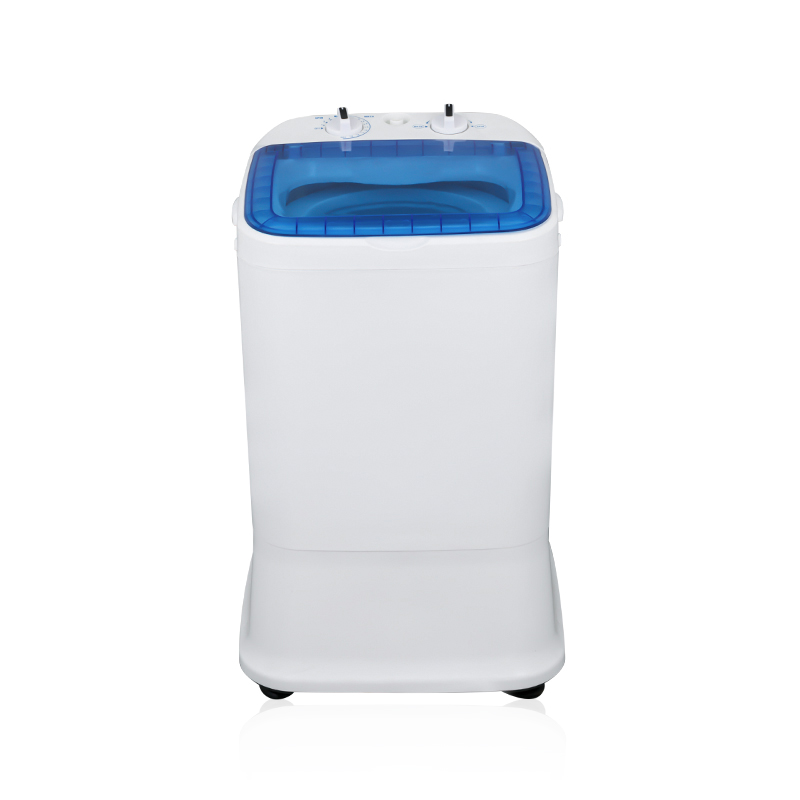
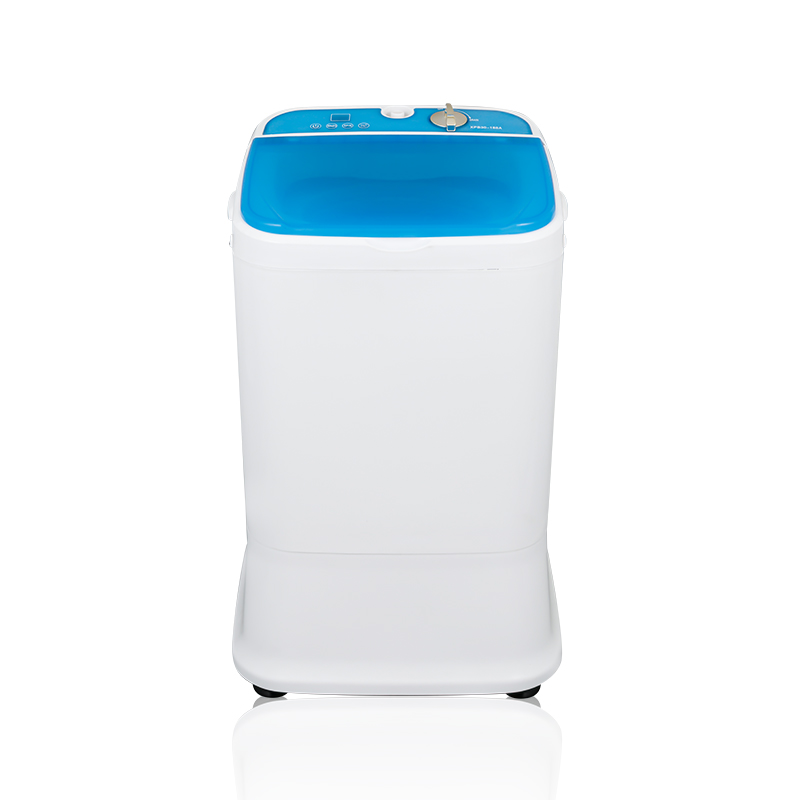
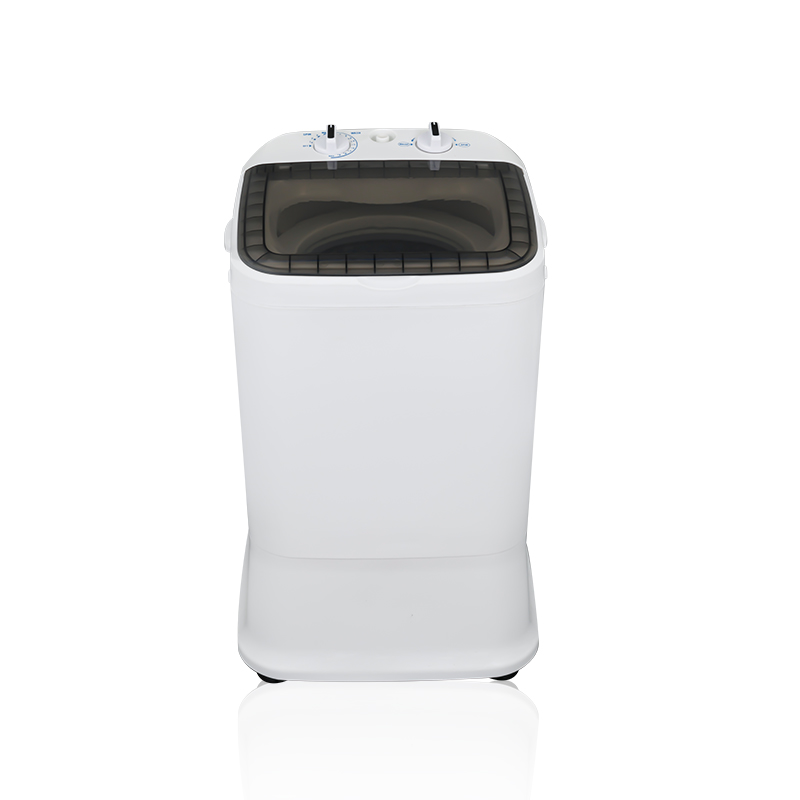
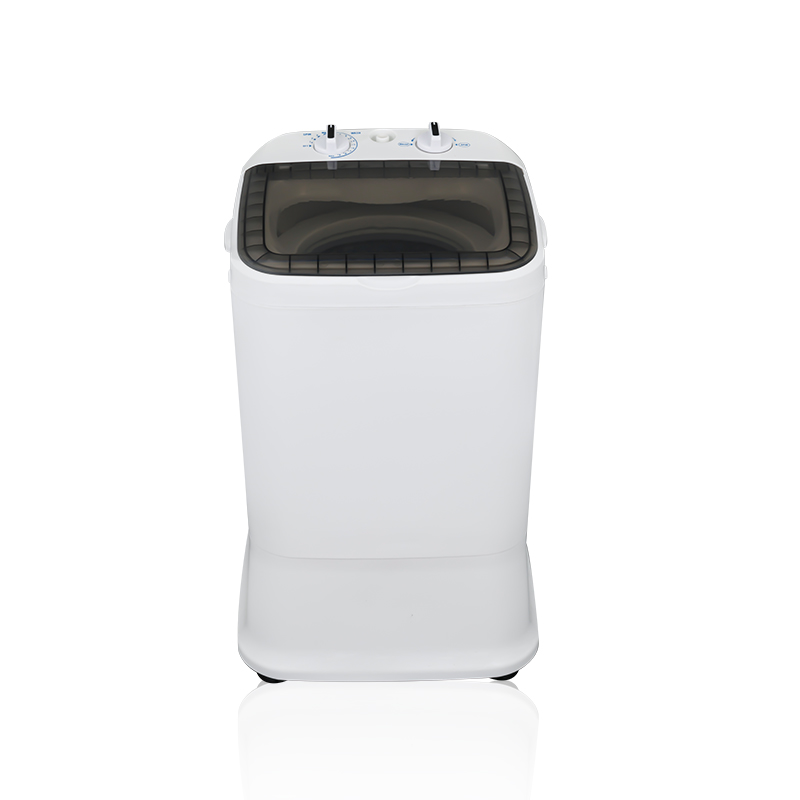
A mini countertop spin dryer doesn’t use heat or twisting. Instead, it uses centrifugal force. By spinning the clothes at high speeds (often over 1,500 RPM), water is pulled outward through the fabric and out of the drum. This pressure is evenly distributed. Instead of being pulled and twisted, the clothes are simply pressed against the smooth walls of the drum, keeping the structural integrity of your hand-washed garments intact.
Before you even get to the drying stage, you must master the cleaning stage. Understanding how to hand-wash clothes is a fundamental skill for anyone with a premium wardrobe.
To properly hand-wash clothes, follow these essential steps:
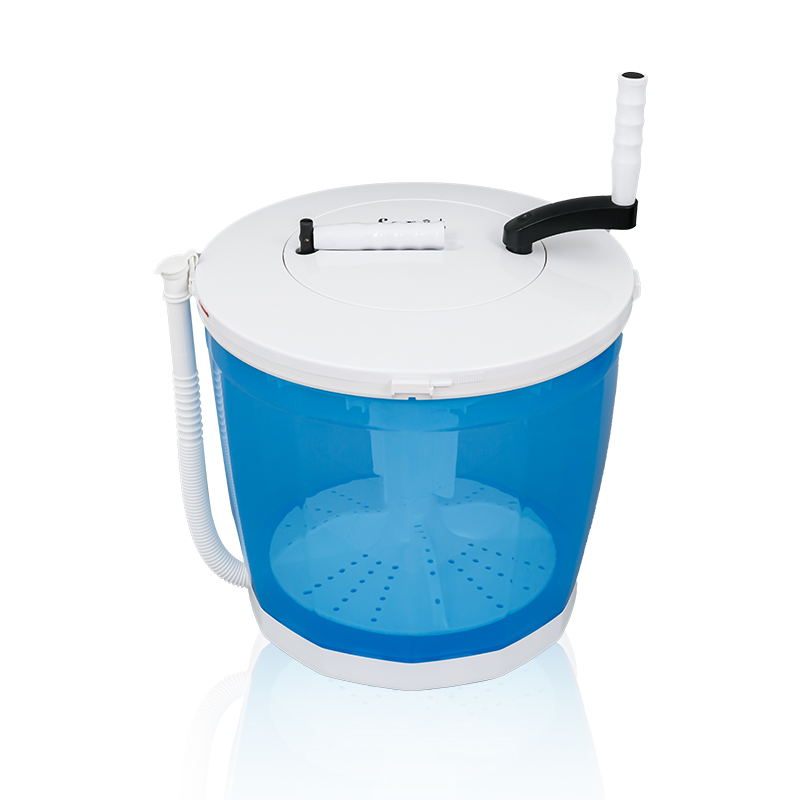
Modern hand-washing clothes tools have evolved beyond the old-fashioned washboard. Today, you can use silicone scrubbing mats or gentle agitator balls. However, the most important “tool” in your laundry room is arguably the mini spin dryer, which bridges the gap between manual labor and machine efficiency.
A common question many consumers have is: “Can I machine wash or hand wash clothes?” or “What is hand washing on a washing machine?” ### 3.1 What is Hand Wash on a Washing Machine?
Most modern full-sized washers have a “Hand Wash” or “Delicate” cycle. This setting uses a lower agitation rate and a slower spin speed. However, even the best hand wash on a washing machine can be too aggressive for ultra-fine silks or beaded items. This is where the mini countertop spin dryer excels—it is a dedicated tool that offers more control than a massive 10kg drum.
If you must use a washing machine hand cycle, always use a mesh laundry bag. This prevents the “hand-wash-only” items from getting tangled around the central agitator. But remember, the high-capacity pumps and heavy drums of standard washers can still be overkill. A mini spin dryer is designed specifically for the weight and scale of a few delicate items, making it the superior choice for hand-washing clothes in a washing machine environment without the risk of a heavy-duty cycle.
To help you decide which method fits your lifestyle, let’s look at the technical performance of manual effort versus the countertop solution.
| Feature | Manual Hand Wringing | Mini Countertop Spin Dryer |
|---|---|---|
| Mechanical Stress | High (Twisting/Pulling) | Low (Centrifugal Pressure) |
| Water Retention | 40% - 60% (Dripping wet) | 5% - 10% (Damp-dry) |
| Time Investment | 5-10 minutes of labor | 2-3 minutes (Automatic) |
| Fabric Safety | Risk of stretching/tearing | Safe for most delicates |
| Drying Time (Air) | 24+ Hours | 4-8 Hours |
For those living in apartments or RVs, the question isn’t just about fabric safety; it’s about space. Knowing how to wash clothes by hand is great, but where do you hang a dripping wet sweater in a 400-square-foot studio?
When you wash clothes by hand, the most annoying part is the hours of dripping. A mini spin dryer removes so much moisture that the clothes come out “damp-dry.” This means you can hang them on a regular rack without needing a bucket underneath to catch the excess water.
Whether you are dealing with hand-wash clothing like wool, linen, or high-tech synthetics, the spin dryer adapts. Because it doesn’t use heat (unlike a tumble dryer), there is zero risk of shrinking. It is the missing link in the how to hand-wash something workflow that turns a chore into a quick task.
Q1: Can I machine wash hand wash clothes in any washer?
A: Not recommended for all fabrics. While you can use the hand wash on a washing machine setting, many “dry clean only” or extremely delicate items are safer being hand-washed and then put into a mini spin dryer.
Q2: How to hand-wash clothes with detergent without causing fading?
A: Always turn the garment inside out and use a detergent specifically formulated for delicates. Keep the soak time under 30 minutes.
Q3: Is a spin dryer the same as a tumble dryer?
A: No. A tumble dryer uses heat and tumbling to dry clothes completely. A spin dryer uses high-speed rotation to remove water only, which is much safer for hand-washing garments.
Q4: How long does it take to spin dry?
A: Usually between 1 and 3 minutes. It’s significantly faster than any manual method.
 No.62, Beiyihuan Road, Industry Area Zhangqi Town Cixi Ningbo China.
 13777243189
 +86-13777243189
 +86-0574-63809239
Copyright © Ningbo Changle Electric Appliance Co., Ltd. All Rights Reserved.