English
 中文简体
中文简体 Español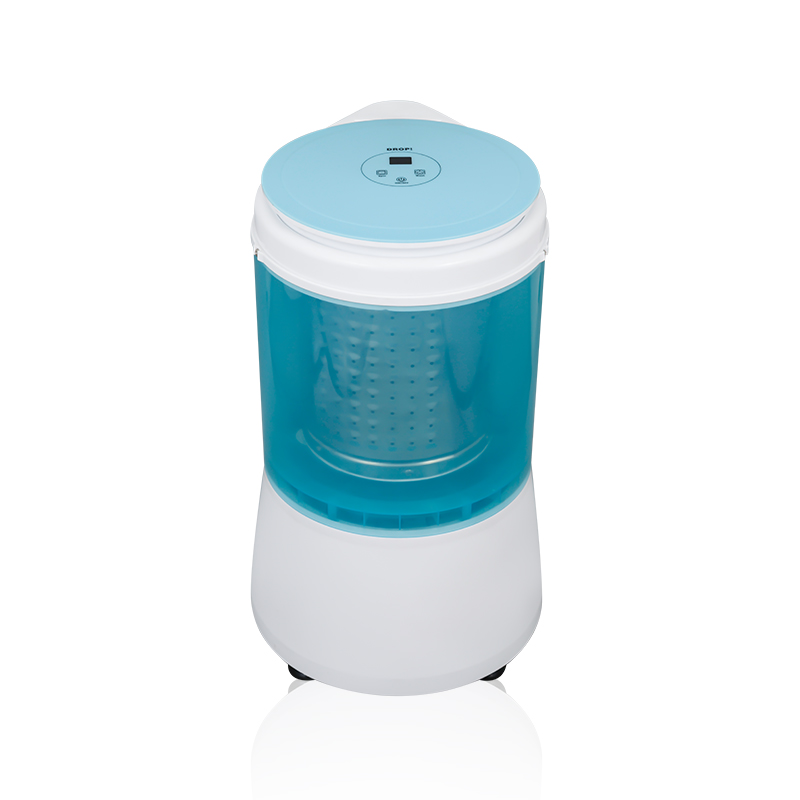
No.62, Beiyihuan Road, Industry Area Zhangqi Town Cixi Ningbo China.
Phone:+86-13777243189

CALL OR SEND E-MAIL
No.62, Beiyihuan Road, Industry Area Zhangqi Town Cixi Ningbo China.
Phone:+86-13777243189
Content
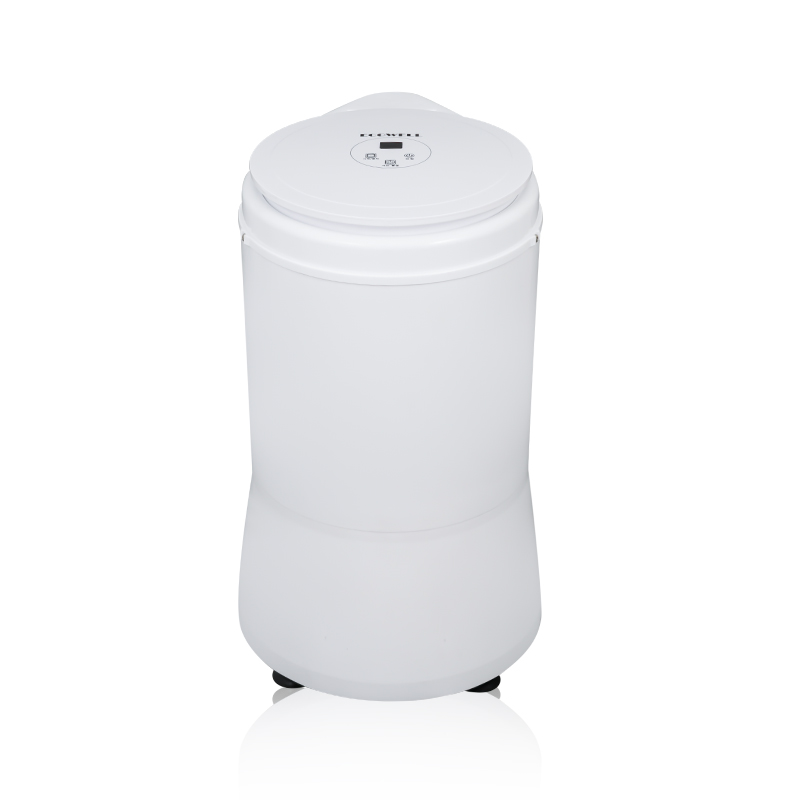
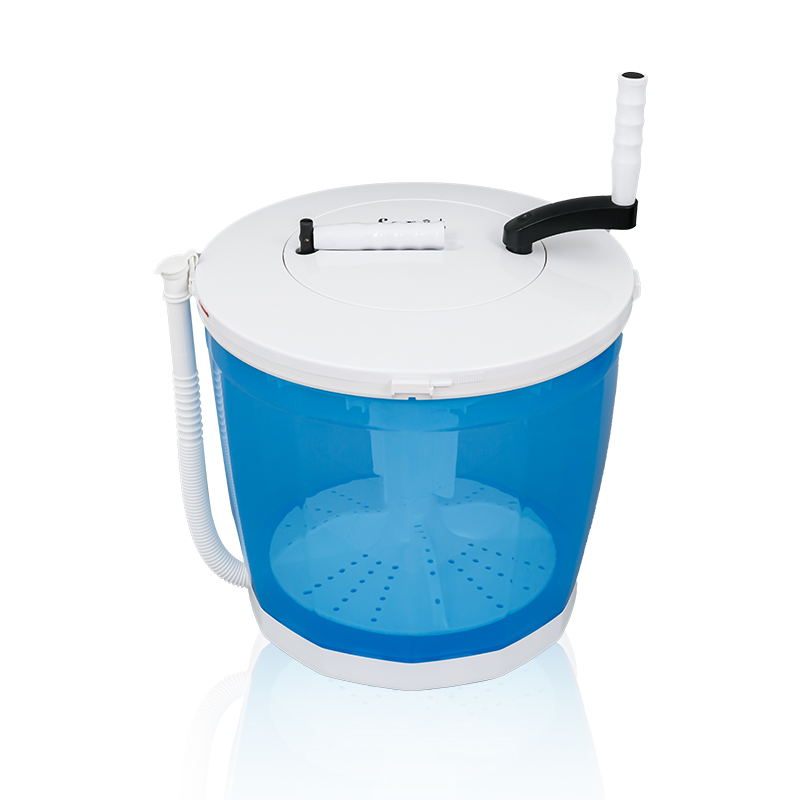
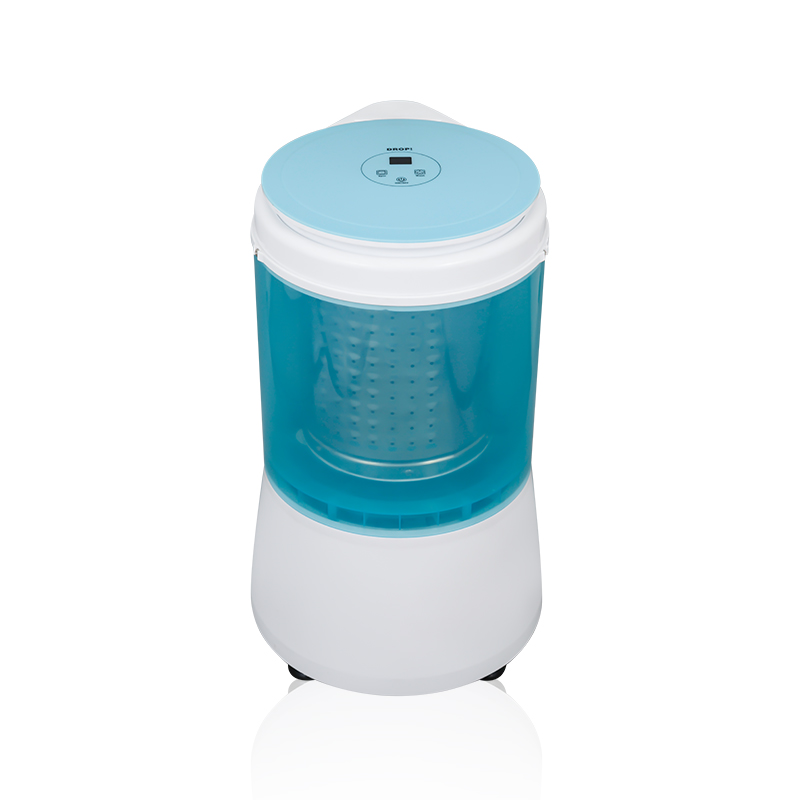
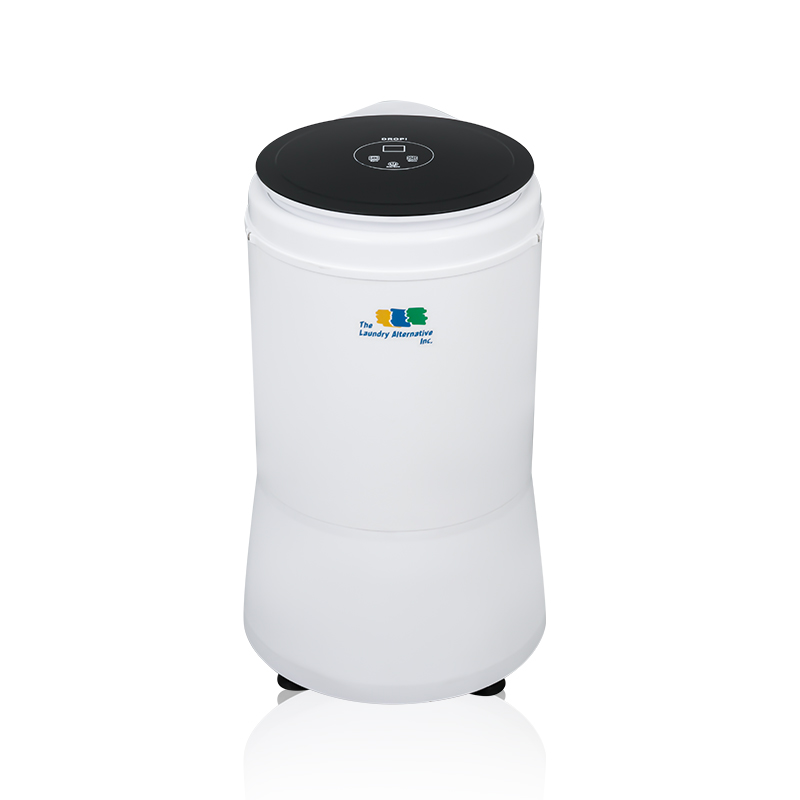
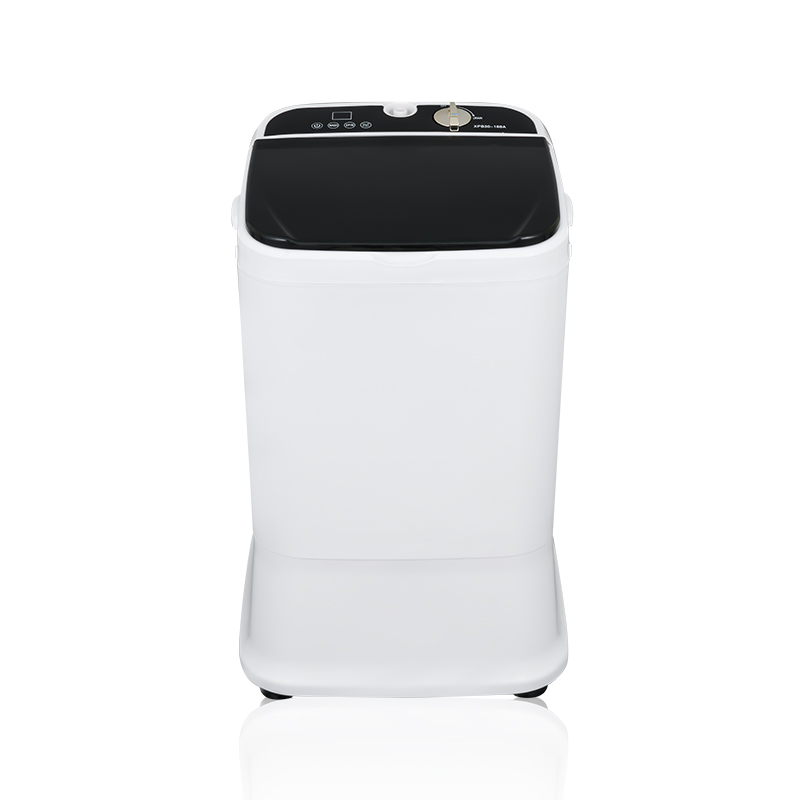
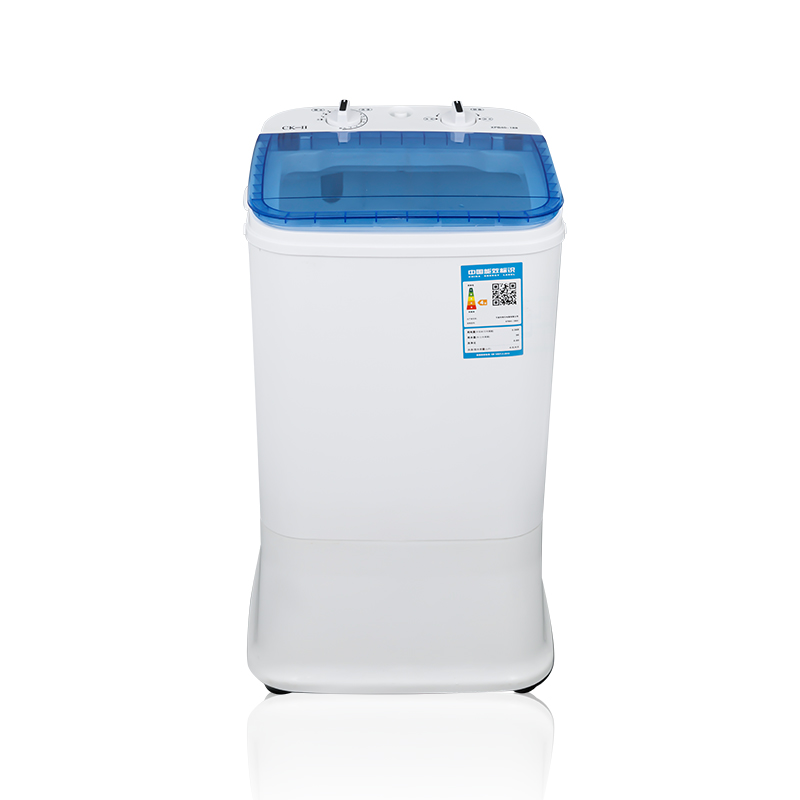
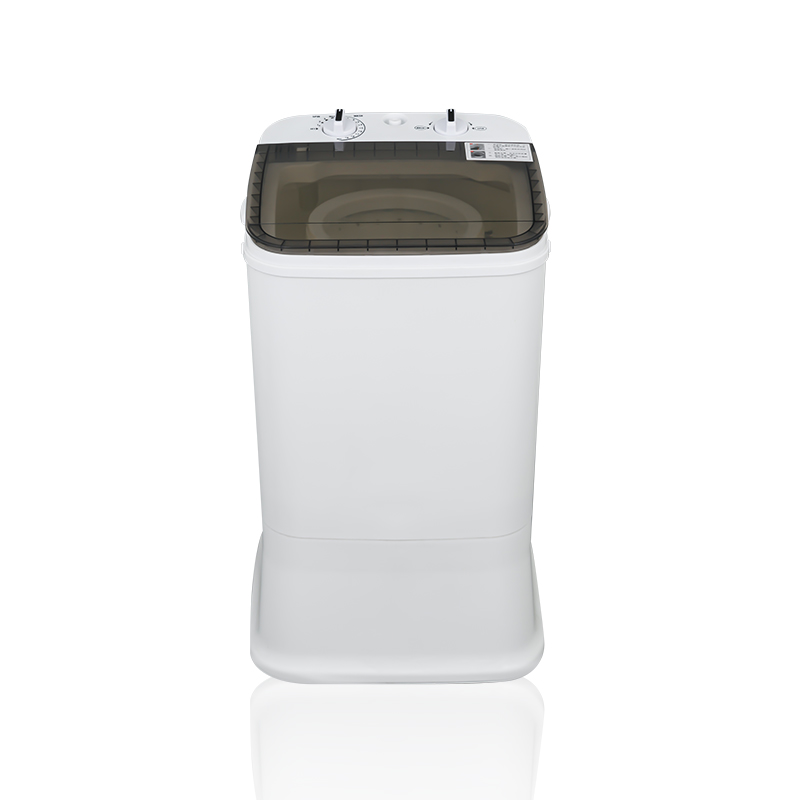
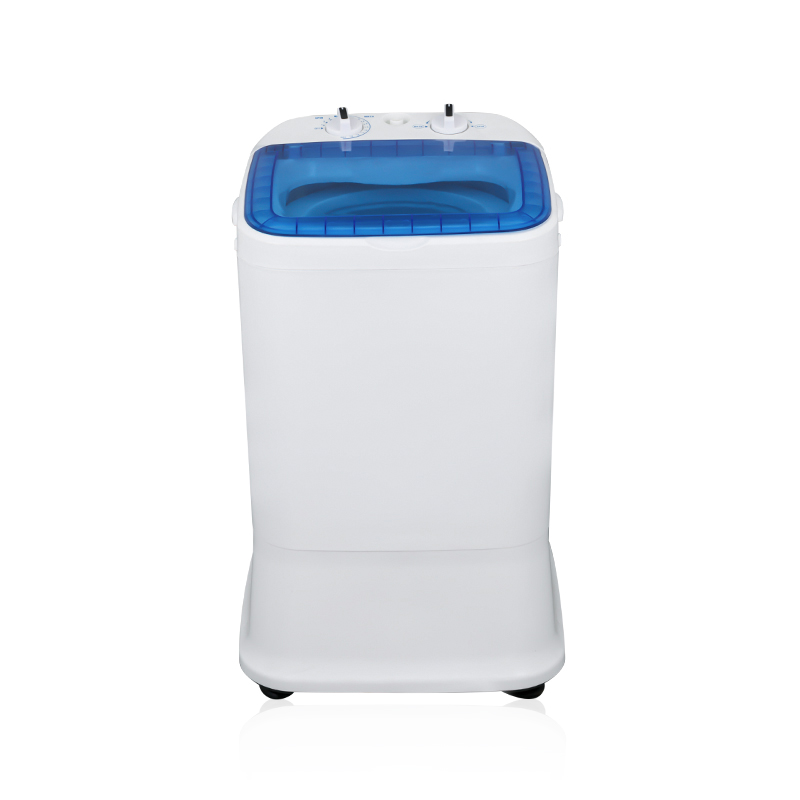
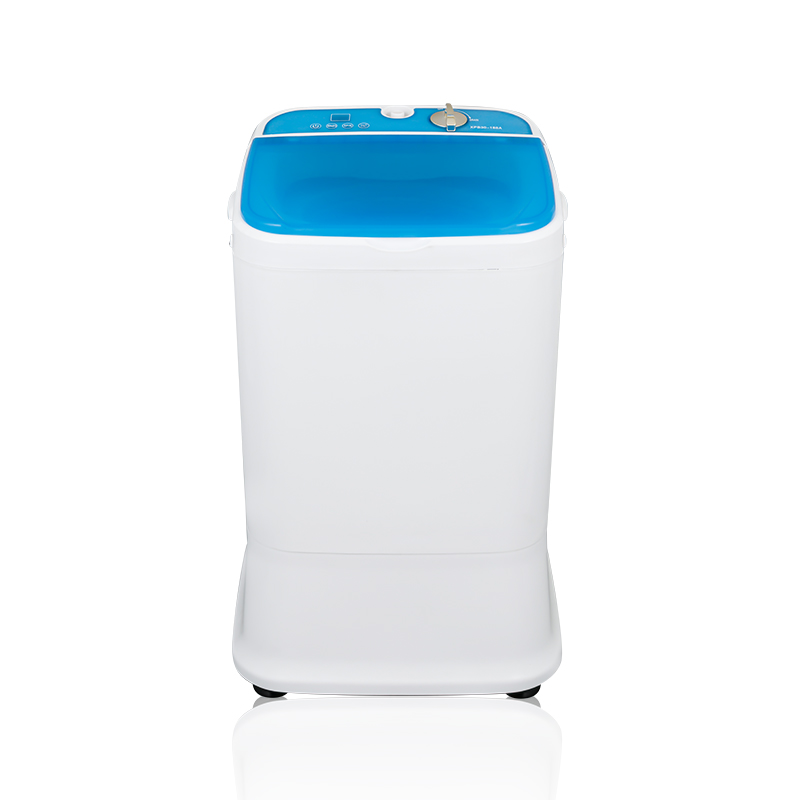
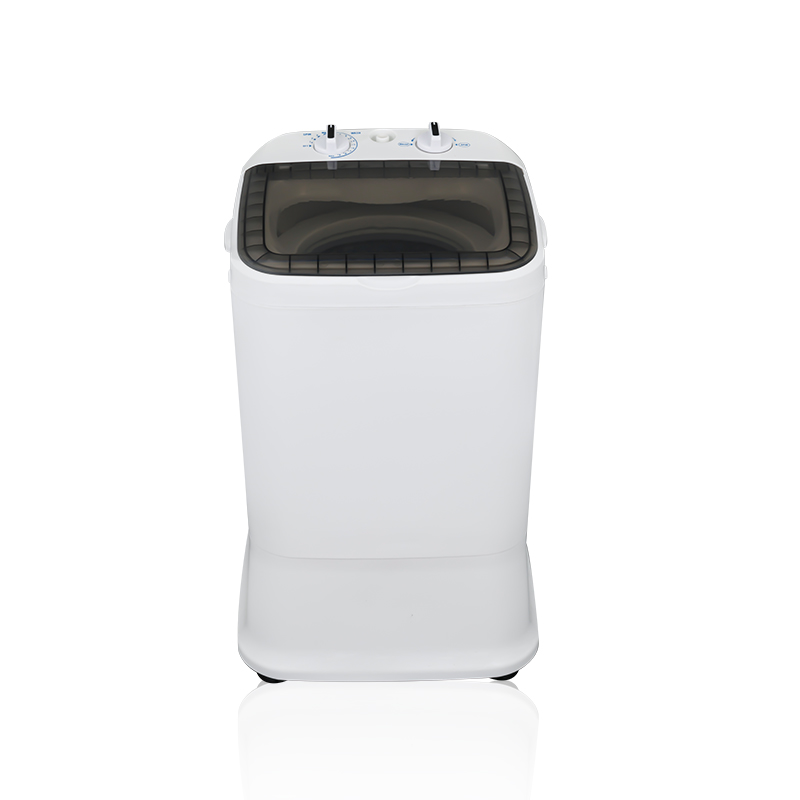
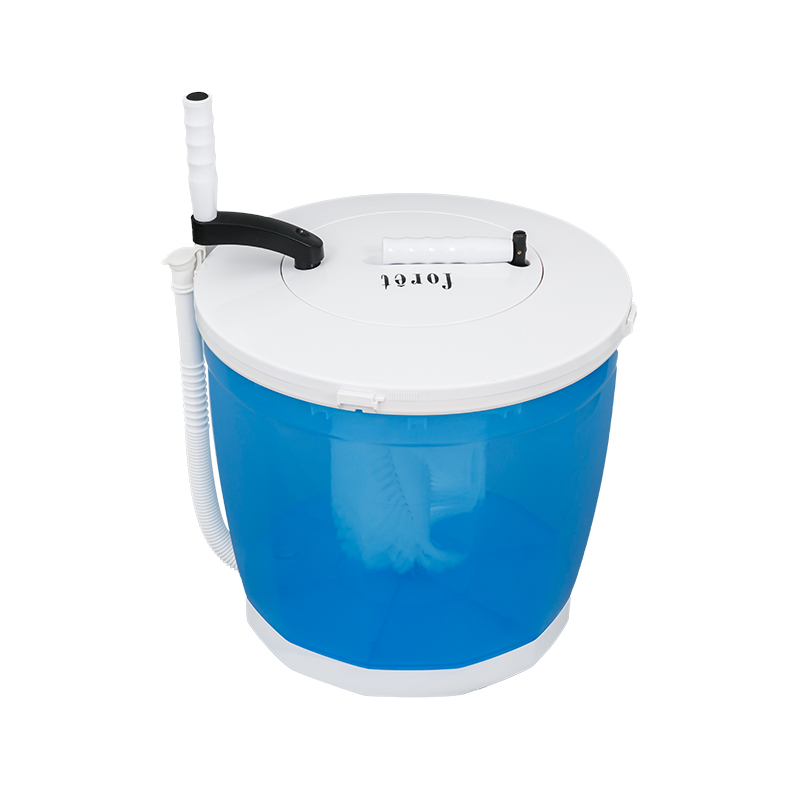
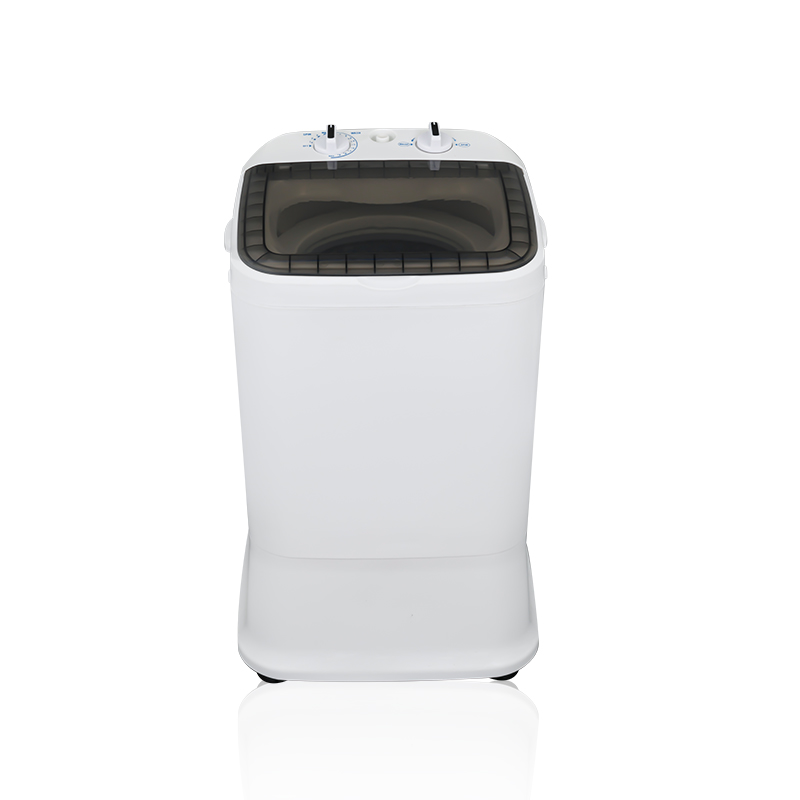
Manual washing machines are simple, non-electric devices designed to clean clothes using human-powered mechanisms. They don’t rely on electricity and typically require manual effort to agitate the clothes, either by cranking a handle, pedaling a wheel, or pushing a lever. While they are more labor-intensive than automatic machines, they are ideal for small spaces, limited resources, or off-the-grid living.
In contrast, automatic washing machines are electrically powered appliances that automate the process of washing, rinsing, and spinning clothes. These machines offer a more convenient, hands-off experience, making them the go-to choice for many households around the world.
Manual washing machines are compact, simple devices that require human effort for operation. Unlike their automatic counterparts, which perform all steps of the laundry cycle, manual washers require the user to perform one or more actions such as agitating the laundry or wringing out the clothes after washing.
They are typically made up of the following components:
Manual washing machines come with several advantages due to their simplicity and design. Here are some key features:
Compact Design: Most manual washers are smaller and more portable, making them a great option for people who live in small apartments or for those who need a machine that is easy to store and move.
Hand-Powered Operation: Unlike automatic machines that rely on electricity, manual washers are operated by the user. You may need to rotate a crank or pedal a wheel to agitate the laundry. This design makes them highly energy-efficient.
Low Water Usage: Many manual washers are designed to use minimal water, as they typically don’t require the full rinse cycle common in automatic machines. This makes them a good choice for areas where water conservation is a concern.
Cost-Effective: Manual washing machines are typically much less expensive than automatic models. They don’t need costly repairs or replacements for electric components, which helps reduce long-term costs.
| Feature | Manual Washing Machines | Automatic Washing Machines |
|---|---|---|
| Energy Usage | No electricity required; entirely hand-powered | Requires electricity to run (higher energy consumption) |
| Capacity | Small capacity, typically suited for small loads | Larger capacity, suitable for big families or frequent laundry cycles |
| Ease of Use | Requires manual effort to operate (turning, pedaling) | Completely automatic, just load and press a button |
| Water Usage | Typically uses less water per cycle | Uses more water due to multiple rinsing cycles |
| Speed | Takes longer to wash, rinse, and wring clothes | Faster wash cycles due to automation |
| Maintenance | Low-maintenance; few mechanical parts to maintain | More complex; electric motors, sensors, and parts require professional care |
| Cost | Low initial and operational cost | Higher initial cost and ongoing energy expenses |
| Portability | Highly portable, easy to move and store | Less portable, typically fixed in place |
| Ideal for | Small living spaces, off-the-grid, eco-conscious users | Larger households, those with frequent laundry needs |
While manual washing machines and automatic washing machines both perform the same fundamental task of cleaning clothes, they differ significantly in operation, capacity, speed, and ease of use. Below is a detailed comparison:
Manual washing machines can be an excellent choice in several scenarios:
Limited Space: If you live in a small apartment, dormitory, or cabin where space is limited, a manual washing machine can fit into tight areas without taking up too much room.
Budget Constraints: Manual machines are much more affordable than automatic washers, making them ideal for people on a tight budget. They also incur lower running costs since they don’t require electricity.
Eco-Conscious Living: If you are trying to reduce your carbon footprint and conserve energy and water, manual washing machines are an excellent option. Their low energy consumption and minimal water usage make them more sustainable.
Off-the-Grid Living: For those living in rural areas or off-the-grid, where access to electricity might be limited, manual washing machines offer a practical solution without relying on power sources.
Automatic washing machines are better suited for certain lifestyles and laundry needs:
Busy Households: If you have a large family or tend to do laundry frequently, an automatic washing machine saves time and effort. The convenience of setting a load and walking away is invaluable when you have a lot of laundry to do.
Convenience Seekers: If you prefer a completely hands-off experience, an automatic washer will allow you to simply load the clothes, press a button, and let the machine do the rest.
Larger Loads: Automatic washers are designed to handle heavier and larger loads, making them ideal for large households or for washing bulky items like comforters, blankets, or large towels.
Choosing between a manual and an automatic washing machine ultimately comes down to your lifestyle, budget, and laundry needs. Manual washing machines are perfect for those looking for a more affordable, eco-friendly, and space-efficient option, especially for smaller loads and less frequent laundry. On the other hand, automatic washing machines are best for larger households, those who do laundry regularly, or people who prefer a hands-off, more convenient experience.
 No.62, Beiyihuan Road, Industry Area Zhangqi Town Cixi Ningbo China.
 13777243189
 +86-13777243189
 +86-0574-63809239
Copyright © Ningbo Changle Electric Appliance Co., Ltd. All Rights Reserved.